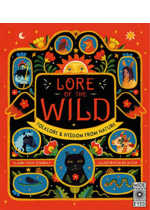
Lore of the Wild inspires appreciation of different cultures, as well as an engagement with the beauty of the natural environment, and is a treasure trove of superstitions, ancient wisdom, and enchanting folktales.

Material appropriate for intermediate age groups
Lore of the Wild inspires appreciation of different cultures, as well as an engagement with the beauty of the natural environment, and is a treasure trove of superstitions, ancient wisdom, and enchanting folktales.

Jordan’s days as star player for her school’s basketball team ended when an accident left her paralyzed from the waist down. Now, she’s still the team captain, but her competition days seem to be behind her…until an encounter with a mysterious elephant, who she names Marshmallow, helps Jordan discover a brand new sport.
Will water polo be the way for Jordan to continue her athletic dreams–or will it just come between Jordan and her best friends on the basketball team? And with the big tournament right around the corner, what secret is Marshmallow hiding?
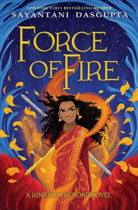
From New York Times bestselling author Sayantani Dasgupta comes the story of a demon who must embrace her bad to serve the greater good. Pinki hails from a long line of Rakkhosh Resistors, demons who have spent years building interspecies relationships, working together to achieve their goal of overthrowing the Snakey oppressors and taking back their rights. But she has more important things to worry about, like maintaining her status as fiercest Rakkhosh in her class and looking after her little cousins. There is also the teeny tiny detail of not yet being able to control her fire breathing and accidentally burning up school property. Then Sesha, the charming son of the Serpentine governor, calls on Pinki for help in defeating the Resistance, promising to give her what she most desires in return — the ability to control her fire. First she’ll have to protect the Moon Maiden, pretend to be a human (ick), and survive a family reunion. But it’s all worth it for the control of her powers… Right?
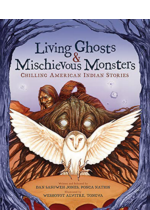
Some of the creatures in these pages might only have a message for you, but some are the stuff of nightmares. These thirty-two short stories — from tales passed down for generations to accounts that could have happened yesterday — are collected from the thriving tradition of ghost stories from American Indian cultures across North America. Prepare for stories of witches and walking dolls, hungry skeletons, La Llorona and Deer Woman, and other supernatural beings ready to chill you to the bone.
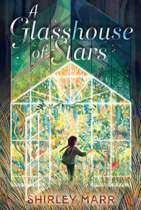
Meixing Lim and her family have arrived at the New House in the New Land. Her parents inherited the home from First Uncle who died tragically and unexpectedly while picking oranges in the backyard. Her mama likes to remind Meixing the family never could have afforded to move here otherwise, so she should be thankful for this opportunity.
Everything is vast and unknown to Meixing in this supposedly wonderful place. She is embarrassed by her secondhand clothing, has trouble understanding her peers, and is finding it hard to make new friends. Meixing’s only solace is a rundown greenhouse, that her uncle called his glasshouse, at the far end of her backyard that inexplicably holds the sun and the moon and the secrets of her memory and imagination.
When her fragile universe is rocked by tragedy, it will take all of Meixing’s resilience and bravery to finally find her place of belonging in this new world.
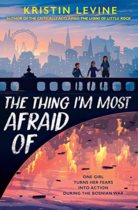
Most twelve-year-olds would be excited to fly to Austria to see their dad for the summer but then Becca is not most twelve-year-olds. Suffering from severe anxiety, she fears that the metal detectors at the airport will give her cancer and the long international flight will leave her with blood clots. Luckily, she’s packed her Doomsday Journal, the one thing that always seems to help. By writing down her fears and what to do if the worst happens, Becca can get by without (many) panic attacks.
Routines and plans help Becca cope but living in a new country is full of the unexpected–including Becca’s companions for the summer. Like Felix, the short and bookish son of Becca’s dad’s new girlfriend. Or Sara, the nineteen-year-old Bosnian refugee tasked with watching the two of them for the summer. As Becca explores Vienna and becomes close to her new friends, she soon learns she is not alone in her fears. What matters most is what you do when faced with them.

Miosotis Flores is excited about three things;fostering rescue dogs, goofy horror movies, and her sister Amarilis’ upcoming wedding. But her papi wants her to care about school more than anything else, so they strike a deal — if Miosotis improves her grades in two classes, she can adopt a dog of her own in the summer.
Miosotis dives into her schoolwork, and into nurturing a fearful little pup called Freckles. Could he become her forever dog? At the same time, she notices Amarilis behaving strangely–wearing thick clothes in springtime, dropping her friends in favor of her fiancé, even avoiding Miosotis and the rest of their family.
When Miosotis finally discovers her sister’s secret, she faces some difficult choices. What do you do if someone is in danger, but doesn’t want your help? When should you ask for support, and when should you try to handle things on your own?
What ultimately matters most–what Miosotis wants, or what’s right for the ones she loves?
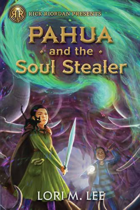
A lonely eleven-year-old Hmong girl with the unique ability to see spirits, she spends her summer days babysitting her little brother and playing with her best friend, a cat spirit no one else can see. One day Pahua accidentally untethers an angry spirit from the haunted bridge in her neighborhood–whoops. When her brother suddenly falls sick and can’t be awoken, Pahua fears that the bridge spirit has stolen his soul. She returns to the scene of the crime with her aunt’s old shaman tools, hoping to confront the spirit and demand her brother’s return. Instead, she summons a demon
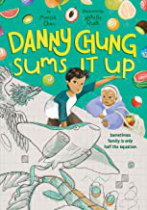
Eleven-year-old Danny’s life is turned upside down when his Chinese grandmother comes to live with his family in England. Things get worse when Danny finds out he’ll have to share his room with her, and she took the top bunk! At first, Danny is frustrated that he can’t communicate with her because she doesn’t speak English—and because he’s on the verge of failing math and Nai Nai was actually a math champion back in the day. It just feels like he and his grandmother have nothing in common. His parents insist that Danny help out, so when he’s left to look after Nai Nai, he leaves her at the bingo hall for the day to get her off his back. But he soon discovers that not everyone there is as welcoming as he expected . . . Through the universal languages of math and art, Danny realizes he has more in common with his Nai Nai than he first thought. Filled with heart and humor, Danny Chung Sums It Up shows that traversing two cultures is possible and worth the effort, even if it’s not always easy.
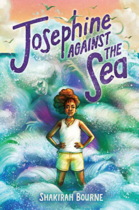
Eleven-year-old Josephine knows that no one is good enough for her daddy. That’s why she makes a habit of scaring his new girlfriends away. She’s desperate to make it onto her school’s cricket team because she’ll get to play her favorite sport AND use the cricket matches to distract Daddy from dating.
But when Coach Broomes announces that girls can’t try out for the team, the frustrated Josephine cuts into a powerful silk cotton tree and accidentally summons a bigger problem into her life . . .
The next day, Daddy brings home a new catch, a beautiful woman named Mariss. And unlike the other girlfriends, this one doesn’t scare easily. Josephine knows there’s something fishy about Mariss but she never expected her to be a vengeful sea creature eager to take her place as her father’s first love! Can Josephine convince her friends to help her and use her cricket skills to save Daddy from Mariss’s clutches before it’s too late?