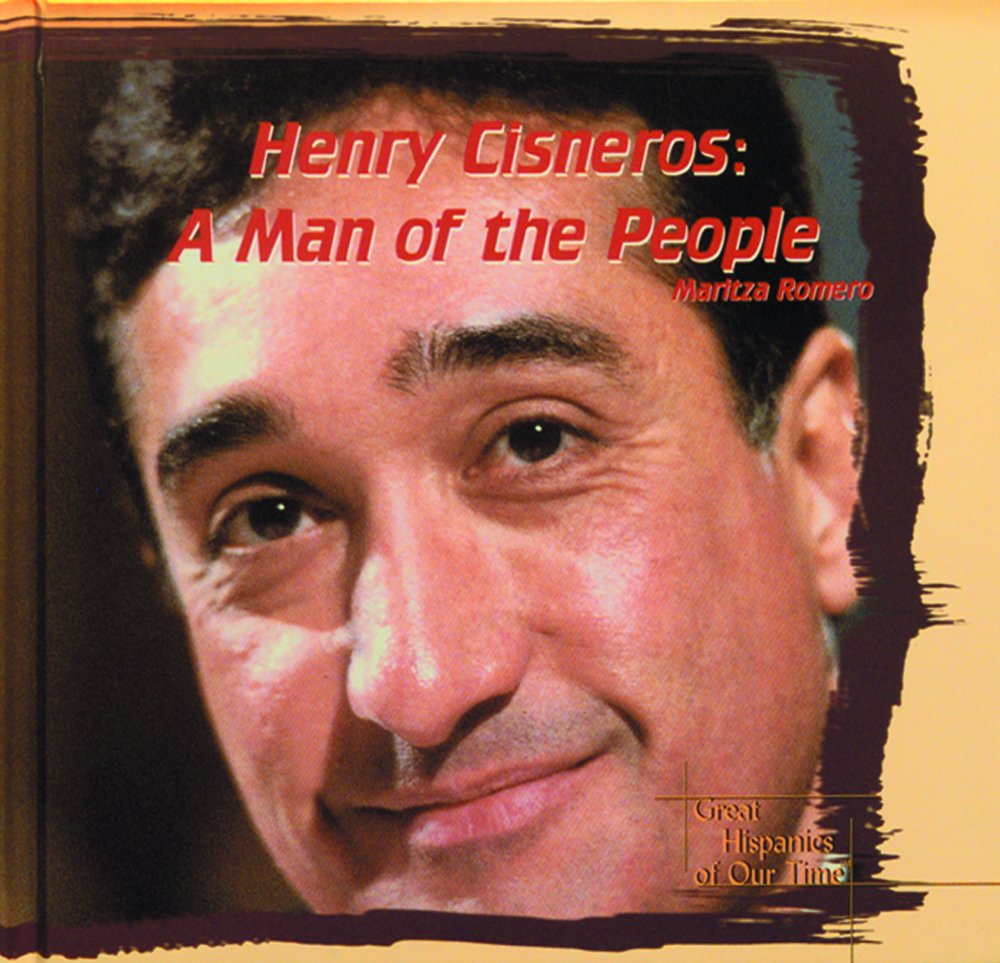
Focuses on the political life of a Mexican American who realized the importance of good leadership and served as a mayor and cabinet secretary.
Intermediate (ages 9-14)
Material appropriate for intermediate age groups
Over Here It’s Different: Carolina’s Story
Relates, in text and photographs, the experiences of an eleven-year-old girl who emigrated from the Dominican Republic at age seven, and describes the two worlds she lives in as an American trying to preserve her heritage.
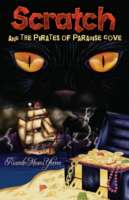
Scratch and the Pirates of Paradise Cove
On the first day of summer vacation, ten-year-old Rafi and his father are searching for their lucky, six-toed cat, Scratch, when an earthquake knocks them off a cliff and they find themselves on a pirate ship, heading toward adventure.
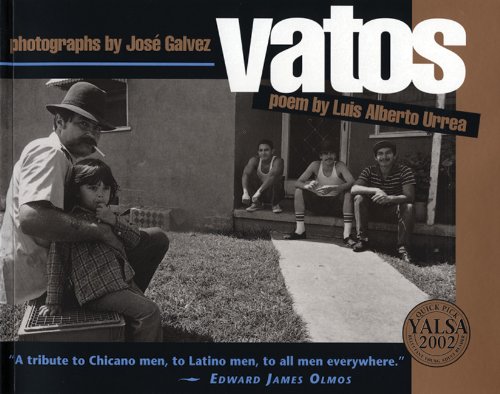
Vatos
One evening, Pulitzer Prize-winning photographer Jos Galvez heard Luis Alberto Urrea read “Hymn to Vatos Who Will Never Be in a Poem” with its chant-like repetitions and its evocation of Chicano manhood. As Luis read each line, an image clicked in Jos’s memory, and he knew that he had already taken that photograph. The result of that experience is this remarkable book. Vatos is street slang for dude, guy, pal, brother. It sprang from the highly stylized language of the Pachucos (los chukotes) in the ’50s. It’s a Chicano term derived from the once-common friendly insult chivato, or goat. It had a slightly unacceptable air to it, which the Locos and Weesas of the Chuco world enjoyed. They were able to take the sting out of racism by calling themselves a bunch of names assimilated “good Mexicans” didn’t like.
We Won’t Back Down: Severita Lara’s Rise From Student Leader To Mayor (Hispanic Civil Rights)
An enlightening biography for young adults of a little-known female activist in the Hispanic Civil Rights Movement On December 9, 1969, change was in the air. The small town of Crystal City, Texas would never be the same. After weeks of petitioning for a hearing with the Crystal City school board, students of Crystal City High and their parents descended on the superintendent’s office. The students had been threatened with suspension and even physical violence. Powerful members of the community had insisted they would fire the parents of students if they went in front of the school board, and still, they came. Finally, the school board removed the chairs in the gallery, and the parents and students stood until members of the school board fled to avoid the confrontation. As the students and their parents stood in front of the building, a cry rose from the crowd. “Walk out. Walk out.” So began the Crystal City High student walk out. At the center of the fervor was Severita Lara. Called la cabezuda, or stubborn girl, by her mother, Lara bore the mark of a leader from an early age. She was not afraid to stand up to anyone: girls or boys, teachers or superintendents. She always followed her father’s advice, “If you know it’s right, do it.” José Angel Gutiérrez, the famous civil rights leader, chronicle’s Lara’s ascent from a willful child to the mayor of Crystal City. From her father’s doting support to her mother’s steel-rod discipline, Gutiérrez offers a detailed portrait of the early family life of the woman whose continuing struggle against segregation and discrimination began while she was still a high school student in Crystal City. He also follows her attempts as a single mother to achieve her dream of being a doctor and providing for her sons. This is the story of la cabezuda, Severita Lara, who has made an indelible imprint on American history.
Bird Springs
Eleven-year-old Gregory and his family had to leave the Navajo reservation at Bird Springs—the only home they’ve ever known—and move to a motel in Tucson, Arizona. Gregory misses his absent father, but he likes school, particularly art class with the kind teacher. He also makes a new friend, Matt, who promptly informs him art class is really art therapy and that Gregory is staying in a shelter, not a motel. Even though Matt can be outspoken, he’s just what Gregory needs now. He’s honest and generous with his allowance so they can ride the Ferris wheel at the carnival. Award-winning author Carolyn Marsden paints a poignant story of a little boy who, as he confronts the more painful aspects of his past, is filled with a sense of hope.
Felita
A vivid portrayal of a close-knit Hispanic community Felita’s parents promise she will love their new neighborhood. Only Abuelita, her grandmother, understands how much Felita will miss her old block, and her best friend Gigi. But her new neighbors taunt and tease Felita and her family because they are from Puerto Rico. First published twenty years ago, Felita’s compelling story has resonance for kids today.”An honest, realistic view of an important aspect of contemporary American life.” –The Horn Book* An NCSS-CBC Notable Children’s Trade Book in the Field of Social Studies* A Child Study Children’s Book Committee Children’s Book of the Year* A Puffin Novel * 112 pages * Ages 8-12
My Land Sings: Stories from the Rio Grande
A collection of ten original and traditional stories set in New Mexico, including “Lupe and la Llorona,” “The Shepherd Who Knew the Language of Animals,” and “Coyote and Raven.”
See the review at WOW Review, Volume 3, Issue 2
The Tequila Worm
Sofia comes from a family of storytellers. Here are her tales of growing up in the barrio in McAllen, Texas, full of the magic and mystery of family traditions: making Easter cascarones, celebrating el Dia de los Muertos, preparing for quinceañera, rejoicing in the Christmas nacimiento, and curing homesickness by eating the tequila worm. When Sofia is singled out to receive a scholarship to boarding school, she longs to explore life beyond the barrio, even though it means leaving her family to navigate a strange world of rich, privileged kids. It’s a different mundo, but one where Sofia’s traditions take on new meaning and illuminate her path.
Brujas, Lechuzas Y Espantos / Witches, Owls And Spooks
In this bilingual collection of five stories, Don Cecilio tells the neighborhood children stories that make their hair stand on end. \”In my barrio they told the story…\” and so his cuento would begin. In \”The Owl and the Bundle,\” young Tomas disappears without a trace. Distraught, his parents and siblings look for him everywhere with no luck. Upon returning home, his father sees something curious, an owl flying above the house carrying a bundle with its talons. \”Is it possible,\” he wonders, \”that the bundle is Little Tomas?\” Could the owl have taken their precious son? Based on oral tradition, these stories featuring witches, owls, and other spooky creatures have been told in Spanish-speaking barrios for generations. Now, this new edition with a first-ever English translation provided by John Pluecker will entertain and terrify a new generation of English- and Spanish-speaking children with the supernatural tales of the Hispanic community. Originally published in Spanish in 1972 as La Lechuza: Cuentos de mi barrio (The Naylor Company), Brujas, lechuzas y espantos / Witches, Owls and Spooks will fascinate children interested in scary stories and at the same time will provide a window into a different time and place, when people lived a more rural life and winged shadows flitted across the darkened countryside.