
A biography of the early years of biracial sculptor/designer/landscape architect Isamu Noguchi, focusing on his childhood in Japan and the building of an east-west house that fostered his artistic inclinations and later gave shape to his lifelong creative approach.
Picture Book
The Terrible Plop
In this uproarious update of a favorite story, an unexplained noise leads to pandemonium among the animals. The fox, the elephant, even the big brown bear prove no match for the Terrible Plop. Only the littlest bunny learns not to panic when the sky–or something else up there–is falling. Bright, energetic illustrations and a rhyming text combine to make this a perfect read-aloud story for little ones needing assurance that plops in the day or bumps in the night aren’t as scary as they might seem.
Have You Ever Seen A Sneep?
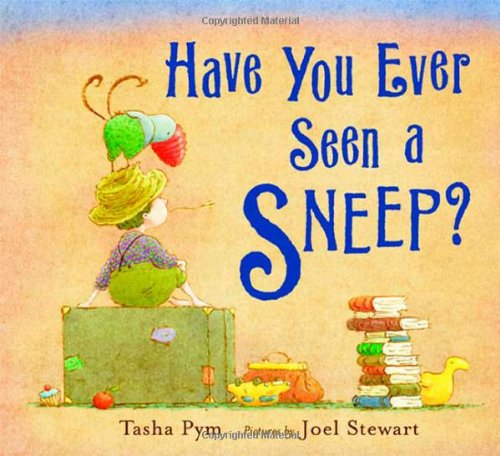 The poor boy who narrates this book has to deal with five naughty creatures. He’s just trying to enjoy a day out, but every time his back is turned, the Sneep and its mischievous friends sneak up and spoil his fun.
14 Cows for America
In June of 2002, a very unusual ceremony begins in a far-flung village in western Kenya. An American diplomat is surrounded by hundreds of Maasai people. A gift is about to be bestowed on the American men, women, and children, and he is there to accept it. The gift is as unsought and unexpected as it is extraordinary.
A mere nine months have passed since the September 11 attacks, and hearts are raw. Tears flow freely from American and Maasai as these legendary warriors offer their gift to a grieving people half a world away.
Word of the gift will travel news wires around the globe. Many will be profoundly touched, but for Americans, this selfless gesture will have deeper meaning still. For a heartsick nation, the gift of fourteen cows emerges from the choking dust and darkness as a soft light of hope and friendship.
Featured in Volume II, Issue 2 of WOW Review.
The Origami Master
Shima the Origami Master lives on a mountain in Japan. He isn’t lonely, for his beautiful origami animals keep him company.One morning Shima finds a marvelous new paper elephant on his desk. Where could it have come from? The next morning, a splendid dragon is in its place. It looks real enough to fly away.That night, Shima stays awake to find out who could make such wonderful creatures. But when he discovers who the mysterious artist is, he learns a surprising lesson about friendship.
How Many Donkeys?: An Arabic Counting Tale
Jouha is loading his donkeys with dates to sell at the market. How many donkeys are there? His son helps him count ten, but once the journey starts, things change. First there are ten donkeys, then there are nine! When Jouha stops to count again, the lost donkey is back. What’s going on? Silly Jouha doesn’t get it, but by the end of the story, wise readers will be counting correctly – and in Arabic.
Bird Child
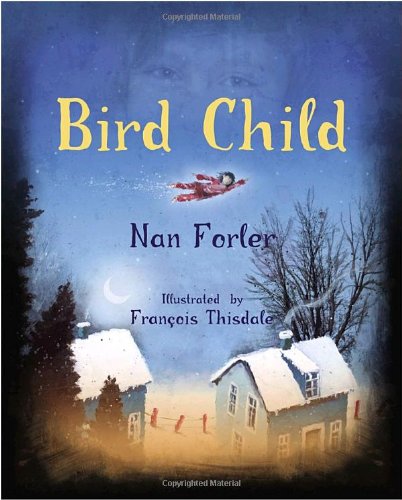 Bullying and the ability to rise above it are at the heart of this strikingly beautiful picture book. All school-aged children have either bullied, been bullied, or witnessed bullying, and all too often, they feel powerless to stop what has been set in motion. Such is not the case with Eliza. Her mother has given her “wings to fly” and the ability to see all the possibilities that lie before her. So, when bullies pick on the new student, Lainey, gradually robbing her of her smile and ability to paint beautiful pictures, Eliza wants to help, and she does, by finding a way to show Lainey all that she can be. Then in the schoolyard, Eliza stands up to the bullies. One by one, the other children add their voices, and soon the bullies have skulked away. Lyrical and eloquent yet realistic and down to earth, Nan Forler’s text is complemented beautifully with François Thisdale’s haunting images. This is a book for every child, every classroom, and every library.
Timmerman Was Here
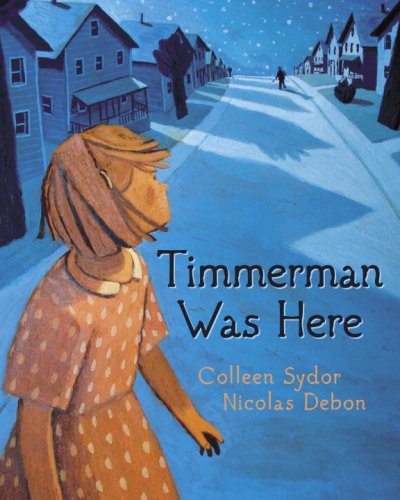 Timmerman is mysterious. Moreover, he is bitterly resented by the young girl who lives in the same boardinghouse. After all, he occupies her beloved granddad’s now-vacant room. How dare he think he can take that space? But try as she might, the girl cannot dislike him forever. Timmerman is kind, gentle, and soft-spoken to everyone, even the dog, who lets him untangle her matted coat. Despite herself, the girl becomes fond of him. When rumors begin to fly, she tries not to listen. But it’s hard, especially when Timmerman is often seen late at night, wandering the streets with a shovel and sack over his shoulder. Is he stashing stolen goods? Burying dead cats? The girl takes a black eye for defending him at school. Even so, curiosity compels her to ask the question she knows she shouldn’t ask. Though Timmerman promises an explanation in time, he avoids a direct answer and disappears shortly after, leaving the girl to worry and wonder. Not until spring is the answer to Timmerman’s nighttime walks beautifully presented, leaving the entire street with a living memory of Timmerman’s presence. Timmerman Was Here is a charming tale of mystery, perception, and the gift of friendship.
Who Wants To Be A Poodle I Don’t
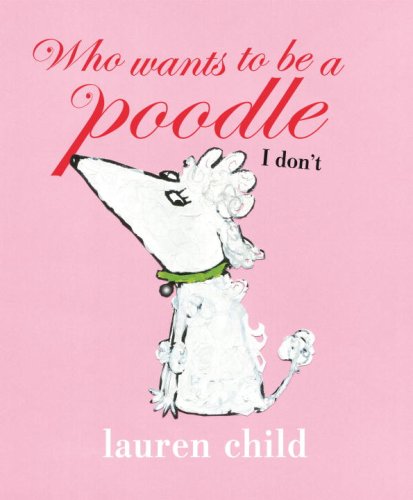 Lauren Child takes the lead with this wry and wooly tale of a pampered poodle who just wants to paddle in puddles — like REAL dogs do.Trixie Twinkle Toes lives in the lap of luxury, with every creature comfort a manicured paw away. Adored by the glamorous Mademoiselle Bruleé, the little poodle has a maid to plump her pillows and a cook to prepare her nibbles. But Trixie isn’t happy. She doesn’t like the puffing and poofing and preening. She doesn’t like being dressed in little pink ponchos. She wants to be dazzlingly dangerous and daring. She wants to step in puddles! With a witty text that scampers across the pages and hilarious mixed-media illustrations, Lauren Child offers a one-ofa-kind treat — sure to entice both spirited little readers and deeply devoted dog-lovers alike.
Piglet and Granny
From the writer and illustrator of the popular books Piglet and Mama and Piglet and Papa comes the latest installment about Piglet and her special granny. Piglet loves her granny. She’s been waiting all day for her to visit. Why hasn’t she come? Cow, Horse, Duck, and Sheep all think she’ll be here soon—but what is taking her so long? In this heartwarming barnyard tale, Piglet’s story will resonate with any child who has ever had to wait for someone they love.