Everything Asian: A Novel

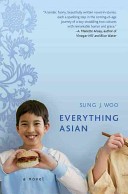
You’re twelve years old. A month has passed since your Korean Air flight landed at lovely Newark Airport. Your fifteen-year-old sister is miserable. Your mother isn’t exactly happy, either. You’re seeing your father for the first time in five years, and although he’s nice enough, he might be, well–how can you put this delicately?–a loser.You can’t speak English, but that doesn’t stop you from working at East Meets West, your father’s gift shop in a strip mall, where everything is new.Welcome to the wonderful world of David Kim.
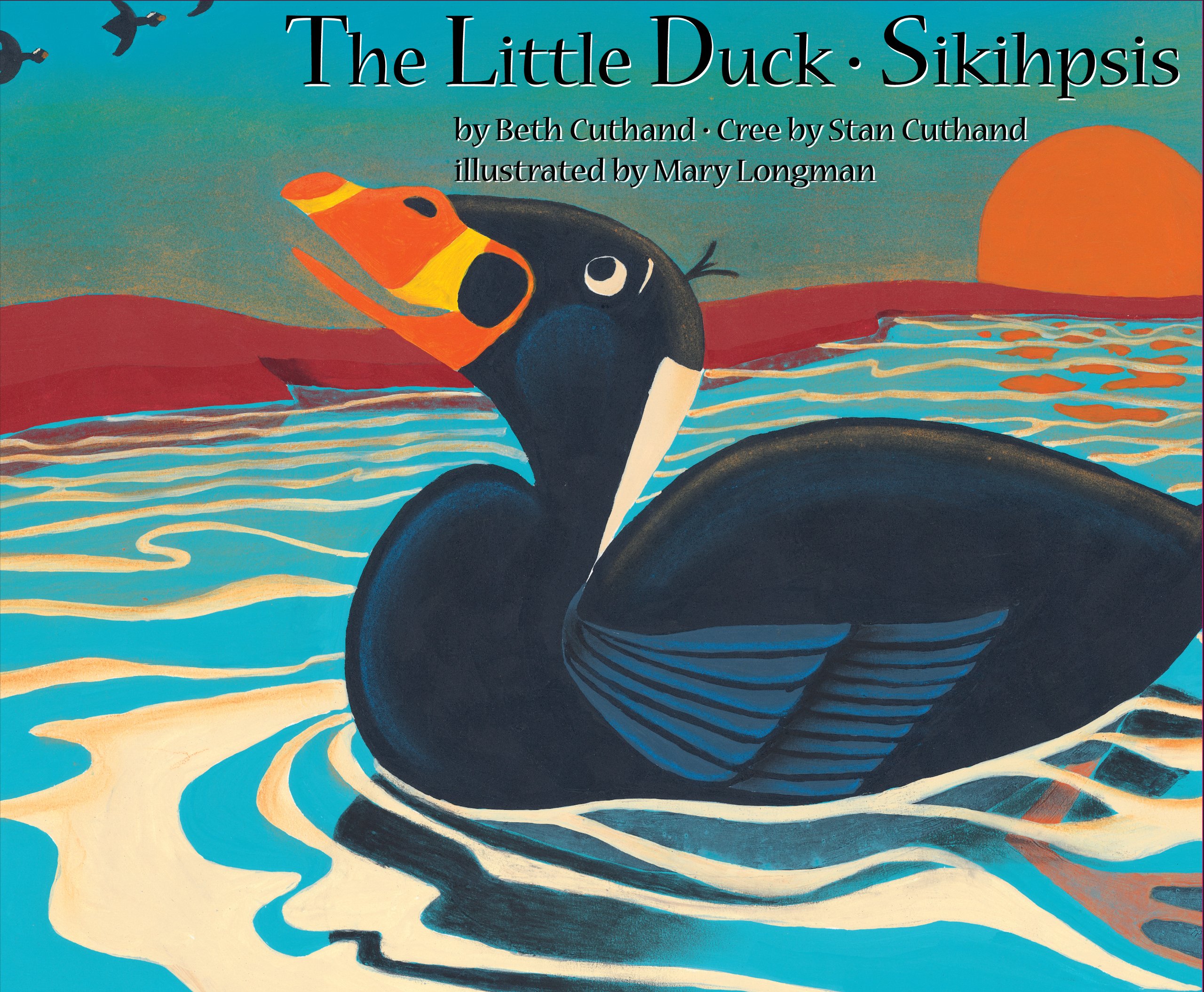
The Little Duck -Sikihpsis

Little Duck wants to be a Plains Cree dancer, and decides to dress up like one and walks into the Cree camp. When he sees he does not fit in, the lonely duck returns to his pond and finds acceptance from the other ducks. He becomes content with who he is and his life as a duck.

The Little Duck is a universal story that transcends cultural boundaries and leaves one with a lesson about the importance of self-worth.

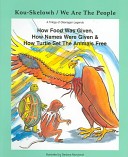
Kou-Skelowh

This is a Collection of original legends–How Food Was Given, How Names Were Given and How Turtle Set the Animals Free–with time-honored lessons for children about the values of sharing and respect presented in a beautiful full-color format. Told in a strong, rhythmic language, the stories read aloud well and can be used to help children think about the values of sharing, self-sacrifice and reverence for life in all forms. One of the most valuable aspects of the “Kou-Skelowh series is that it was developed with Aboriginal cultural protocol. In 1981 the Okanagan Elders Council was approached and asked if some traditional legends could be used in the project. When the Elders gave permission for three legends to be used they were translated into English. The English versions were then taken back to the Elders Council for examination and edited until they were approved for educational use by Okanagan Children. Theytus was granted permission to publish the stories on the condition that no individual claim ownership of the legends.

The War Canoe

Mickey, a young Tlingit Indian who is a troublemaker in his small Alaska town, discovers his proud heritage with the help of several interested adults and builds a traditional war canoe to honor his discovery.

More Glooscap Stories: Legends of the Wabanaki Indians

Eighteen traditional tales of the Wabanaki tribe from the eastern woodland include “Glooscap, the Great Chief,” “The Year Summer Was Stolen, ” and “Tomik and the Magic Mat.”

The Loon’s Necklace

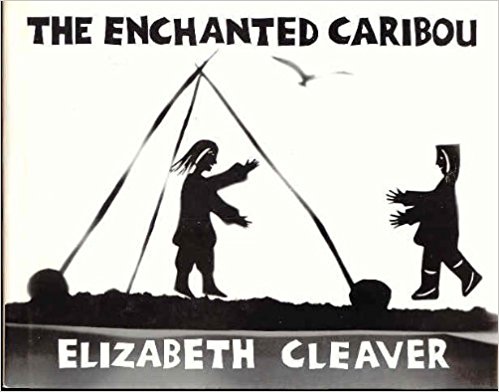
According to Canadian Indian legend, when an old man’s sight was restored by a Loon he gave the bird his precious shell necklace as a reward. That is why the loon has a white collar and speckles on its back. Elizabeth Cleaver’s rich and beautiful style of picture-making gives new visual excitement to the splendors of the British Columbia landscape, and to the magic of this Indian legend.

The Fire Stealer

This is the story of Nanabozho and how he brought fire to the Indians. Nanabozho transformed himself into a rabbit, tricked his way into a warrior’s wigwam and stole a torch of fire enabling his people to warm themselves in winter and cook their food. So that he would always be remembered for what he had done, Nananbozho worked his magic on the trees and every fall we still see the flaming colors of fire in their leaves.

The Elders Are Watching

As Native elders have advised from time immemorial, this is a gentle plea to respect the natural environment.
When the award-winning poet David Bouchard first saw the artwork of First Nations artist Roy Henry Vickers, he was struck by Vickers’ reverence for nature, the vibrancy of his colors, and his perceptive understanding of Canada’s rugged West Coast. He saw in Vickers’ images the perfect complement to his own lyrical, thoughtful poetry. They collaborated on the original edition of The Elders Are Watching, which has delighted more than 100,000 readers in four languages. Bouchard says, “Both Roy and I share similar dreams for our children. Through this book, we hope that others will come to share these dreams and together work toward correcting some of the mistakes of the past.”
In this new edition, their vision is as fresh and relevant today as it was when the book was first published. A plea to respect the natural treasures of our environment and a message of concern from aboriginal leaders of the past to the people of the new millennium, The Elder Are Watching has both a timelessness and an urgency that must be heard.