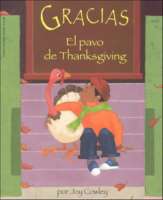
In this warm holiday story, a young Puerto Rican boy saves the life of his pet turkey with help from his close-knit New York City family and neighborhood. Beginning Spanish vocabulary is woven into the text. Four color.

In this warm holiday story, a young Puerto Rican boy saves the life of his pet turkey with help from his close-knit New York City family and neighborhood. Beginning Spanish vocabulary is woven into the text. Four color.
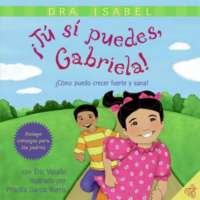
El cuerpo es como un carro, cuanto mejor es la gasolina que le pones, mejor corre.
Gabriela regresa en este entretenido segundo cuento de la Dra. Isabel, creado para ayudar a los más pequeños a prevenir la obesidad y el sobrepeso infantil. El libro incluye consejos útiles para los padres.
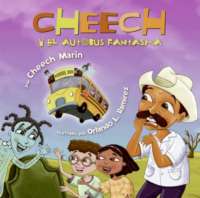
¿A que no adivinas quién se volvió loco? ¡El autobús escolar de Cheech! El autobús escolar de Cheech recoge unos chicos cerca del cementerio, pero ¡oh, sorpresa! Los chicos resultan ser bastante raros, ¡pues son unos fantasmas! Los Cheecharrones intentan de todo para deshacerse de ellos: los asustan con unos disfraces espantosos, les cantan canciones poco amistosas y hasta los persiguen para echarlos por las ventanillas. Hasta que todos se dan cuenta de que ¡estos fantasmas son divertidos! Lo malo es que Cheech todavía les tiene un poquitín de miedo. ¿Podrán los Cheecharrones convencerlo para que los fantasmitas se queden? En este libro tan chistoso como tierno, el humor instantáneo de Cheech Marin le da un nuevo giro a la idea de que a veces ser diferente no es tan espantoso.
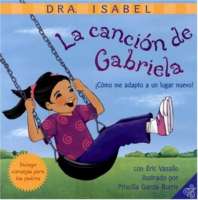
“Kíkiri-Kíkiri-kí, Kíkiri-Kíkiri-ká. Yo no tengo miedo, porque el miedo no me va”. ¡Todos a cantar con Gabriela! Esta tierna y alegre historia está diseñada para ayudar a los más pequeños a superar los miedos relacionados con los cambios de casa, ciudad o país. El libro también incluye consejos útiles para los padres.
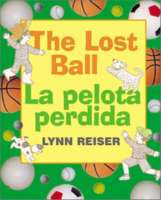
One park,
two dogs,
two boys,
two lost balls …
and dozens of
ballplayers.
Is this your ball?
No!
¿Es ésta tu pelota?
¡No!
Then …
let’s go find the owner of this ball!
¡Vamos a buscar al dueño de esta pelota!
Turn these pages and you will discover that boys and dogs and ballplayers speak the same language (even when they don’t).
And by the time you finish this book, you will, too.
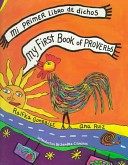
Humorous contemporary illustrations of traditional Mexican American proverbs, which appear in both English and Spanish.
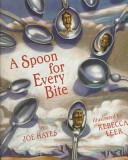
A poor husband and wife ask their rich neighbor to be godfather of their child, and once they are compadres, prey upon his pride and extravagance to trick him out of his fortune.
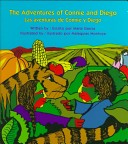
Tired of being laughed at because they are different, a pair of multicolored twins run away to ask the animals where they really belong.
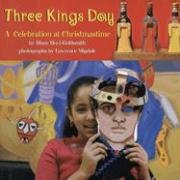
For many Latino Americans one of the best things about Christmas is that it lasts for twelve days. The final day, Three Kings Day, comes on January 6 and honours the arrival of the Magi in Bethlehem. It’s a favourite holiday for children, with presents from the kings as well as parades, performances, parties, lively music, and scrumptious food. While describing the customs and revelry ten-year-old Veronica shares with her family and New York City’s Puerto Rican community, this book portrays a celebration that is rich in tradition and artistry. A glossary and index are included.
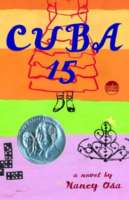
Violet Paz has just turned 15, a pivotal birthday in the eyes of her Cuban grandmother. Fifteen is the age when a girl enters womanhood, traditionally celebrating the occasion with a quinceañero. But while Violet is half Cuban, she’s also half Polish, and more importantly, she feels 100% American. Except for her zany family’s passion for playing dominoes, smoking cigars, and dancing to Latin music, Violet knows little about Cuban culture, nada about quinces, and only tidbits about the history of Cuba. So when Violet begrudgingly accepts Abuela’s plans for a quinceañero–and as she begins to ask questions about her Cuban roots–cultures and feelings collide. The mere mention of Cuba and Fidel Castro elicits her grandparents’sadness and her father’s anger. Only Violet’s aunt Luz remains open-minded. With so many divergent views, it’s not easy to know what to believe. All Violet knows is that she’s got to form her own opinions, even if this jolts her family into unwanted confrontations. After all, a quince girl is supposed to embrace responsibility–and to Violet that includes understanding the Cuban heritage that binds her to a homeland she’s never seen. This is Nancy Osa’s first novel.
From the Hardcover edition.