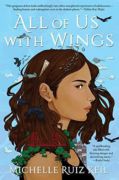
Seventeen-year-old Xochi’s life changed when she became governess to precocious twelve-year-old Pallas, but the duo unintentionally summons a pair of ancient creatures determined to right the wrongs of Xochi’s adolescence.

Materials from United States of America
Seventeen-year-old Xochi’s life changed when she became governess to precocious twelve-year-old Pallas, but the duo unintentionally summons a pair of ancient creatures determined to right the wrongs of Xochi’s adolescence.
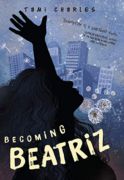
Set in New Jersey in 1984, Beatriz’s story is a timeless one of a teenager’s navigation of romance, her brother’s choices, and her own family’s difficult past. A companion novel to the much-lauded Like Vanessa.
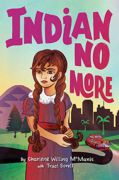
Regina Petit’s family has always been Umpqua, and living on the Grand Ronde reservation is all 10-year-old Regina has ever known. Her biggest worry is that Sasquatch may actually exist out in the forest. But when the federal government signs a bill into law that says Regina’s tribe no longer exists, Regina becomes “Indian no more” overnight–even though she was given a number by the Bureau of Indian Affairs that counted her as Indian, even though she lives with her tribe and practices tribal customs, and even though her ancestors were Indian for countless generations. With no good jobs available in Oregon, Regina’s father signs the family up for the Indian Relocation program and moves them to Los Angeles. Regina finds a whole new world in her neighborhood on 58th Place. She’s never met kids of other races, and they’ve never met a real Indian. For the first time in her life, Regina comes face to face with the viciousness of racism, personally and toward her new friends. Meanwhile, her father believes that if he works hard, their family will be treated just like white Americans. But it’s not that easy. It’s 1957 during the Civil Rights Era. The family struggles without their tribal community and land. At least Regina has her grandmother, Chich, and her stories. At least they are all together.

Identical twins Ernesto and Raul Flores, seventeen, must flee El Salvador, make a harrowing journey across the Rio Grande and the Texas desert, face capture by immigration authorities, and struggle to navigate life in America.

A middle grade verse history of Latinos in the United States, told through the voices of many and varied individuals ranging from Juan Ponce de Leon to modern-day sixth graders.

Sibert Award winner Sally M. Walker crafts an engaging, middle-grade nonfiction narrative of the American Indian soldiers who bravely fought in the Civil War.
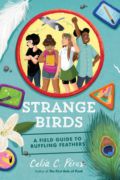
After Ofelia, Aster, Cat, and Lane fail to persuade a local girls club to change an outdated tradition, they form an alternative group that shakes up their sleepy Florida town. Includes tips for beginning birders, characteristics of crystals, a cookie recipe, tips for aspiring journalists, directions for creating badges, and facts about the killing of birds for fashion.

Jennifer Mathieu’s multilayered novel explores the nature of secrets, lies, and fierce, destructive love.
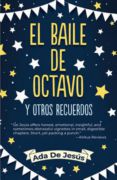
Eleven-year-old Ada De Jesús was on the cusp of her teens when she moved to the United States from Puerto Rico. Hurricane Hugo had just decimated the island and her father couldn’t find a job. In Chicago, the white dress she arrived in didn’t protect her from the snow and frigid temperatures! Constantly exposed to new things, she developed a resilience that served her well. “From one place to another, like riding a bike, if you keep pedaling, you won’t fall.” Ada discovered that students in the United States were frequently disrespectful to their teachers. At school she often felt like a two-year-old as she grappled with a completely new language. In addition to navigating a different culture, she had to deal with all the issues familiar to teenage girls: the growth of body hair, pimples, menstruation and burgeoning feelings for the opposite sex. Her memories of first intimate encounters, fending off unwanted advances and fear of pregnancy will strike a chord with readers. In these short vignettes recollecting her middle-school years, Ada De Jesús shares her poignant and often funny experiences as a newcomer and an adolescent. Young readers will relate to—and laugh at—her experiences; some may take heart that they too will overcome the difficulties common at this age.
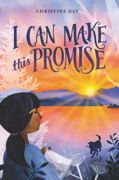
When 12-year-old Edie finds letters and photographs in her attic that change everything she thought she knew about her Native American mother’s adoption, she realizes she has a lot to learn about her family’s history and her own identity.
Awards:
American Indian Youth Literature Award Honor Book