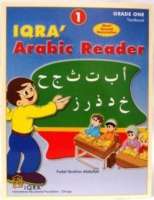
This is the first textbook in IQRA’ Second Generation of Arabic comprehensive program for teaching Arabic as a second language. This second generation is designed to be in twelve graded levels, to provide instructional books and related materials to learners from 1st through 12th grades.
Middle East
Apricots Tomorrow
To understand a people, acquaint yourself with their proverbs’ runs an Arab adage, and here are the books that do just that. The popular Apricots Tomorrow, a selection of sayings from the Gulf region, is joined by sister titles The Son of a Duck is a Floater and Unload your own Donkey which draws on sayings from the Maghreb and Levant. Paralleling age-old Arabic sayings with English equivalents, the proverbs highlight the uncanny similarity of inherited wisdom in both East and West.
This book has been featured in our Middle East and South Asia Arabic Language and Culture Kit.
My Arabic Words Book
“My Arabic Words Book” presents an illustrated book featuring an Arabic word for each of the twenty eight letters of the alphabet, presented in Arabic script and transliterated Roman script along with the English translation.
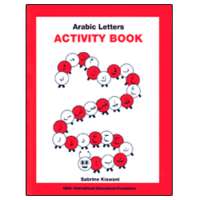
Arabic Letter Activity Book
Provides further exercises in learning the shapes and sounds of Arabic letters. Students also learn to group, match, color, analyze, and synthesize as they progress through the well tested and beautifully presented activities. The activities instill independent learning.
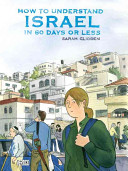
How to Understand Israel in 60 Days or Less
When Sarah Glidden took a “Birthright Israel” tour, she thought she knew what she was getting herself into. But when she got to Israel, she found that things weren’t quite so simple. HOW TO UNDERSTAND ISRAEL is Sarah’s memoir not only of her Israeli government sponsored trip through Tel Aviv, Jerusalem, the Golan Heights, Masada and other famous locations, but of the emotional journey she never expected to take while she was there. Her experience clashes with her preconceived notions again and again, particularly when she tries to take a non-chaperoned trip into the West Bank. Sarah is forced to question first her political beliefs and, ultimately, her own sense of identity, until she finds that to understand Israel she first must come to understand herself.

Santa Claus in Baghdad: Stories about Teens in the Arab World
A collection of eight stories, most previously published in other anthologies, about what it is like to grow up in the Middle East today.
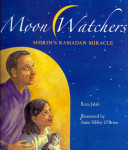
Moon Watchers
Looking through the tall trees in their backyard in Maine, Shirin and her dad search for a glimpse of the new moon, the sign that the month of Ramadan has begun. Ramadan is a time when Muslims around the world pray, fast, and pay special attention to doing good deeds. Shirin is nine and thinks she should be able to fast like her older brother Ali, but her parents feel she is still too young to go without food and water all day. When Shirin catches Ali sneaking food after school, she wonders: Should she tattle or is this an opportunity for a good deed? Shirin feels left out when the others break their fasts to have their own meals after dark and in the early morning, before it is light again. But then her grandmother tells a story that shows her a way she can feel more a part of Ramadan and the traditions and closeness her family enjoys during this special month of the year. Her good deeds result in a surprise for everyone.
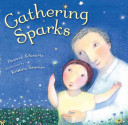
Gathering Sparks
A grandfather introduces his grandson to the Jewish tradition of tikkun olam, a centuries-old concept which proposes that everyone must do their part in order to improve the world.
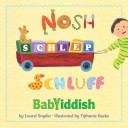
Nosh, Schlep, Shluff
Learning—and using—Yiddish is fun for the whole family, from the youngest mamaleh to the oldest bubbe and zaideh. Introduced to America as the mother tongue of millions of Jewish immigrants, Yiddish has made its way into everyday English. The sprightly, rhyming text follows a toddler through a busy day and is peppered from beginning to end with Yiddish words. Oy!—will everybody kvell when they hear their little ones spouting words from this most expressive of languages.
No Safe Place
Orphaned and plagued with the grief of losing everyone he loves, 15-year-old Abdul has made a long, fraught journey from his war-torn home in Baghdad, only to end up in The Jungle — a squalid, makeshift migrant community in Calais. Desperate to escape, he takes a spot in a small, overloaded England-bound boat that’s full of other illegal migrants and a secret stash of heroin. A sudden skirmish leaves the boat stalled in the middle of the Channel, the pilot dead, and four young people remaining — Abdul; Rosalia, a Romani girl who has escaped from the white slave trade; Cheslav, gone AWOL from a Russian military school; and Jonah, the boat pilot’s ten-year-old nephew. As they attempt to complete the frantic and hazardous Channel crossing, their individual stories are revealed and their futures become increasingly uncertain.