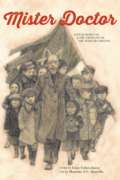
November 1940. A circus parade walks through the streets of Warsaw, waving a flag and singing. They are 160 Jewish children, forced by the Nazis to leave their beloved orphanage. It’s a sad occasion, but led by Doctor Korczak, their inspirational director, the children are defiantly joyful. Their new home is in the ghetto, a prison for Jews. Day by day, more people arrive. Some are forced to live on the street and freeze to death. Others die of disease and starvation. Though they lack food, warmth, and freedom, the children’s spirits are sustained by the steadfast respect and kindness of “Mister” Doctor. But these children will never grow up: in August 1942, they board the train that will carry them away to the death camps. Offered his freedom, Doctor Korczak refuses to abandon the children and proudly joins them on their last journey.
Holocaust
Playing For The Commandant
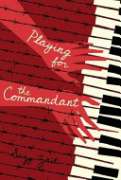
“Look after each other and get home safe. And when you do, tell everyone what you saw and what they did to us.” These are Hanna’s father’s parting words to her and her sister when their family is separated at the gates of the Auschwitz-Birkenau concentration camp. Her father’s words–and a black C-sharp piano key hidden away in the folds of her dress–are all that she has left to remind her of life before. Before, Hanna was going to be a famous concert pianist. She was going to wear her yellow dress to a dance. And she was going to dance with a boy. But then the Nazis came. Now it is up to Hanna to do all she can to keep her mother and sister alive, even if that means playing piano for the commandant and his guests. Staying alive isn’t supposed to include falling in love with the commandant’s son. But Karl Jager is beautiful, and his aloofness belies a secret. And war makes you do dangerous things.
See the review at WOW Review, Volume VII, Issue 3
The Nazi Hunters
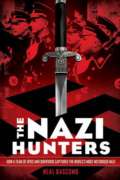
In 1945, at the end of World War II, Adolf Eichmann, the head of operations for the Nazis’ Final Solution, walked into the mountains of Germany and vanished from view. Sixteen years later, an elite team of spies captured him at a bus stop in Argentina and smuggled him to Israel, resulting in one of the century’s most important trials — one that cemented the Holocaust in the public imagination.
See the review at WOW Review, Volume 7, Issue 1
Let the Celebrations Begin
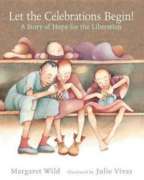
Miriam lives in hut 18, bed 22. She has little to eat and nothing to play with, but she can remember what it was like before, when she had her own food, her own bed, and her very own toys. As World War II nears an end, everyone says the soldiers are coming, so Miriam joins the women in planning a celebration. Every night, while the guards sleep, they busy themselves crafting toys out of scraps of their clothing to surprise the younger children. Based on a reference to a small collection of stuffed toys made by women in Belsen for the first party held after the liberation of the camp, this new edition of Let the Celebrations Begin!, originally published in 1996, is an affecting story of human survival.
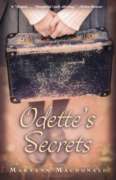
Odette’s Secrets
Odette is a young Jewish girl living in Paris during a dangerous time. The Nazis have invaded the city, and every day brings new threats. After Odette’s father enlists in the French army and her mother joins the Resistance, Odette is sent to the countryside until it is safe to return. On the surface, she leads the life of a regular girl going to school, doing chores, and even attending Catholic Mass with other children. But inside, she is burning with secrets about the life she left behind and her true identity.
Bearing Witness
Offers a multifaceted view of the Holocaust, from a child’s bewilderment at having to wear a star and later go into hiding, to the agony of the camps themselves.
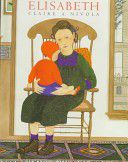
Elisabeth
Forced to flee the Nazis, a young girl and her family eventually end up in the United States where, years later, with a young daughter of her own, she is improbably reunited with the beloved doll she left behind in Germany.
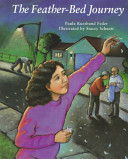
The Feather-Bed Journey
As she tries to repair a torn feather pillow, Grandma tells about her childhood in Poland, about the Nazi persecution of Jews during World War II, and about the origin of this special pillow.
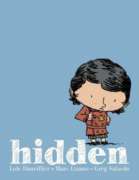
Hidden
In this gentle, poetic young graphic novel, Dounia, a grandmother, tells her granddaughter the story even her son has never heard: how, as a young Jewish girl in Paris, she was hidden away from the Nazis by a series of neighbors and friends who risked their lives to keep her alive when her parents had been taken to concentration camps.
The War Within These Walls
Misha and his family do their best to survive in the appalling conditions of the Warsaw ghetto during World War II, and ultimately make a final, desperate stand against the Nazis.
See the review at WOW Review, Volume VI, Issue 3