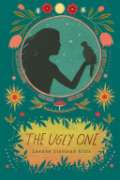
The Ugly One

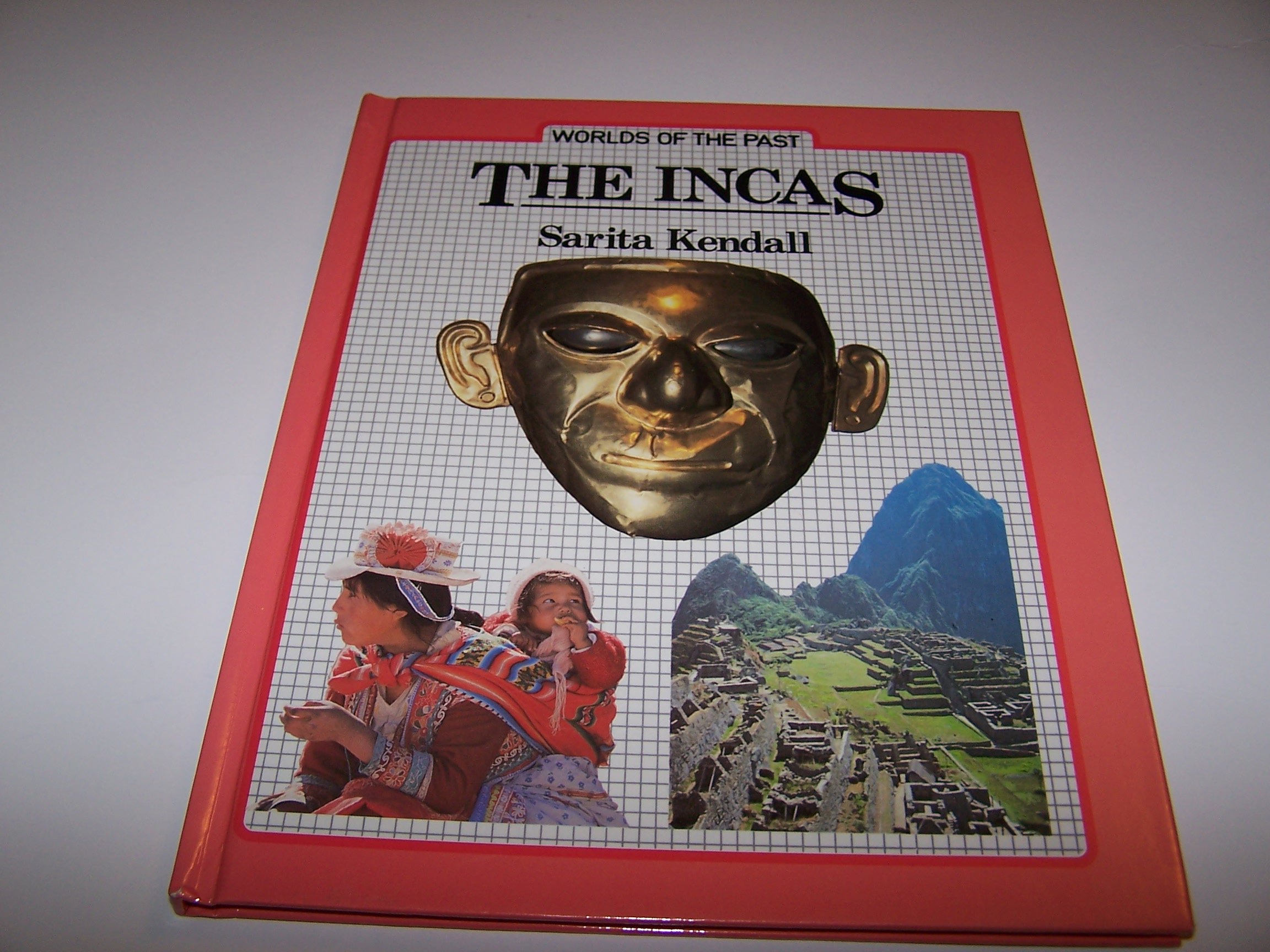
Micay has a deep scar that runs like a river from her right eye to her lip. The boys in her Incan village bully her because of it, and most of the adults ignore her. So she keeps to herself and tries to hide the scar with her long hair, drawing comfort from her family and her faith in the Sun God, Inti. Then a stranger traveling from his jungle homeland to the Sacred Sun City at Machu Picchu gives her a baby macaw, and the path of her life changes

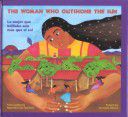
Mujer Que Brillaba Aún Más Que El Sol/The Woman Who Outshone the Sun

Retells the Zapotec legend of Lucia Zenteno, a beautiful woman with magical powers who is exiled from a mountain village and takes its water away in punishment.

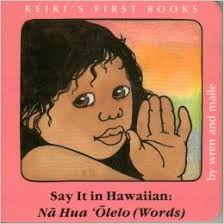
Na ‘olelo Hawaii/Say It in Hawaiian

Gives Hawaiian and English versions of several words used in Hawaiian culture

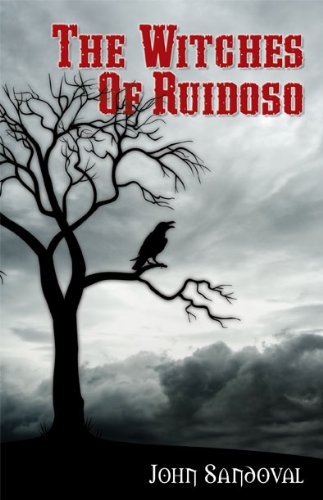
The Witches Of Ruidoso


In the last years of the nineteenth century, in the western territory that would become New Mexico, two young people become constant companions. They roam the ancient country of mysterious terrain, where the mountain looms and reminds them of their insignificance, and observe the eccentric characters in the village: Mr. Blackwater, known as “No Leg Dancer” by the Apaches because of the leg he lost in the War Between the States and his penchant for blowing reveille on his bugle each morning; their friend, Two Feather, the Mescalero Apache boy who takes Beth Delilah to meet his wise old grandfather who sees mysterious things; and Senora Roja, who everyone believes is a bruja, or witch, and who they know to be vile and evil.

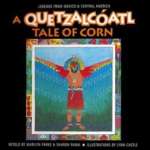
A Quetzalcoatl Tale of the Corn

Quetzalcóatl tales are ancient legends from Mexico and Central America that have been passed down through the ages, primarily by oral tradition. A Quetzalcóatl Tale of Corn tells how Quetzalcóatl followed a trail of ants to the Mountain of Sustenance and stole maize from the gods to feed his people.

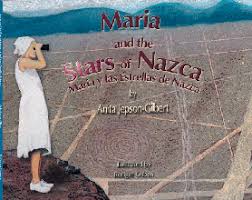
Maria and the Stars of Nazca / Maria Y Las Estrellas De Nazca (Bilingual Edition)

Describes how Maria Reiche, a German scientist living in Peru in the 1930s, observed the lines on the Nazca desert and was one of the first to realize that they formed the outlines of animals only visible from the air.

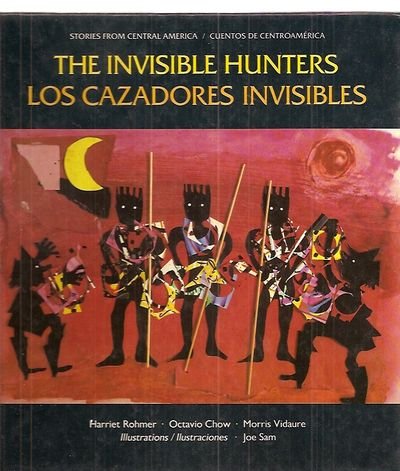
The Invisible Hunters

This Miskito Indian legend set in seventeenth-century Nicaragua illustrates the impact of the first European traders on traditional life.

Amazonia

Amazonia is a book of Brazilian folk tales. Mermaids, serpents, tigers, snakes, flying men, witches — extraordinary creatures from the world’s most important jungle live on in these tales. The stories are fascinating, and sometimes startling, as protagonists are killed off or transformed into animals — or rise up precipitously into the heavens. More than just rollicking adventures, they offer a panorama of experience — conflict and death, love and seduction, greed and gluttony, hunting and fishing, cooking and caring for plants — and describe the origins of the natural world.