
 Paintings of the capital of Nova Scotia depict such aspects of that city as anchor, boat, children–and on through the alphabet.
Early Years (ages 2-6)
The West Is Calling
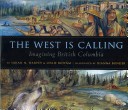
Haiku and illustrations evoke 150 years of British Columbia history, from pre-contact to the present day.
Priscilla and Rosy
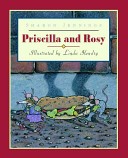
A tempting boat trip tests an alley-rats loyalty to her best friend Priscilla, who lives in an alley behind a restaurant. Her best friend, Rosy, lives across the gutter near an ice cream store. After a busy week of stealing food scraps and scaring people, the two rodent pals decide to take Monday off together, so they can relax over Rosy’s new puzzle. hen Priscilla is invited out on a boat trip on Monday. What else can a rat do but accept? She can call up Rosy and tell a little fib. Maybe Priscilla could say she just remembered that she had already agreed to the trip. Maybe she could say she’s sick. After all, she can do a puzzle with Rosy any old time; a boat trip is really special. So why does Priscilla feel so ratty? A not-too-sweet tale about honoring your friends, Priscilla and Rosy introduces young readers to a refreshing new heroine who, despite her all-too human flaws, manages to do the right thing in the end. Linda Hendry’s inspired illustrations add the perfect touch of droll humor to Sharon Jennings witty and endearing story.
Chicken, Pig, Cow, And The Purple Problem
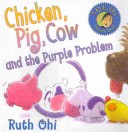
Who ever heard of a purple cow?How come Cow’s spots are purple when every other cow’s are gray or brown? Fed up with being different, Cow sets out on a quest to change her spots.Thanks to a gravelly walkway, she soon finds lots of gray to cover the purple, and a squirrel in a tree provides plenty of brown by showering Cow with seeds. But when she arrives back home all big and bunchy and lumpy, Chicken and Pig hardly recognize her. When they finally realize it is Cow, they reassure her that she is their friend — purple spots and all.The adorable Chicken, Pig, Cow and Dog are back, and they continue to capture the hearts of young readers. The winning combination of simple text, expressive illustrations and lots of humor makes this a perfect choice for toddlers and beginning readers.
Princesses Are Not Perfect
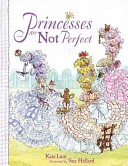
Three princesses, each with a particular skill, decide they are bored with what they do and swap jobs.
Sail Away with Me
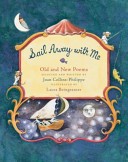
A collection of poems with sailing and sea themes, including traditional poems such as “My Bonnie Lies Over the Ocean” and “The Owl and the Pussycat.”
Lulu’s Pajamas
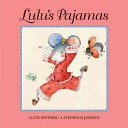
Young Lulu has the best Mama and Papa in the world and the best pet ladybug, Lili-Poo. After her Mama tells her a story and her Papa sings a goodnight song, Lulu drifts gently off to sleep in her favorite soft-as-a-butterfly-kiss pajamas. In the morning she decides “never ever” to take them off again! What will she do when her friends laugh and her beloved pajamas show the scars of a busy day at school? Suddenly Lulu can hardly recognize her pajamas, and they sure don’t smell like a pink dream anymore. Lulu’s spirited, independent handling of a childhood rite of passage – choosing one’s own clothes – will resonate with both children and parents. Irresistible illustrations and Lulu’s note-perfect child’s voice will make Lulu’s Pajamas a bedtime favorite sure to become as well-worn as an old pair of pajamas.
Wiggle Giggle Tickle Train
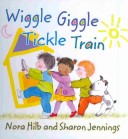
“Hold on to the saddle, pony might prance, bucking and frisky, he’s roaming the ranch. GIDDY-UP!”A pony inspires a child to ride high on her father’s shoulders, a sailboat stirs two others to set off to sea in a cardboard box, and an airplane invites kids to soar like a bird.In 13 striking spreads, we see how children use the world around them as the inspiration for play. Vibrant photographs are juxtaposed with lively drawings to reveal the child’s own inventive interpretation. Short bursts of action-packed, rhythmic poetry encourage preschoolers to identify the patterning throughout the text and the sounds associated with each idea.While developing language skills, kids can join in the fun as they create their own imaginative play from what they see around them.
Have You Ever Seen An Octopus With A Broom?
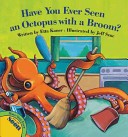
Have You Ever Seen an Octopus with a Broom? compares human and animal tools and reveals surprising facts about how animals clean house, fish for food and even play percussion. Maybe you’ve never seen an octopus with a broom – but these animals use jets of water like a broom to sweep out leftovers after a meal, and also sweep sand and small stones out of their den to make it bigger. The Spin It! activity at the end of the book will provide hours of educational enjoyment. Each informational picture book in the Have You Ever Seen series uses lighthearted human-animal comparisons to teach primary-level children about animals.
Lobster In My Pocket
L3ee lives in a fishing village. One day she hears a little voice coming from a lobster crate ans she discovers Lucky, a talking lobster. Lee sets Lucky free and Lucky returns the favour one day when Lee nearly drowns in a wild spring storm.