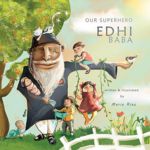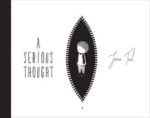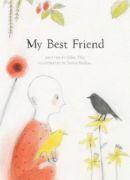
With help from his recently-deceased grandfather, new friends and their superhero alter egos, and some paint, Rusty stops the bullies who have been terrorizing their small town.
Age
Catalog sorted by age group
Reawakening Our Ancestors’ Lines
For thousands of years, Inuit women practised the traditional art of tattooing. Created with bone needles and caribou sinew soaked in seal oil or soot, these tattoos were an important tradition for many women, symbols stitched in their skin that connected them to their families and communities. But with the rise of missionaries and residential schools in the North, the tradition of tattooing was almost lost. In 2005, when Angela Hovak Johnston heard that the last Inuk woman tattooed in the traditional way had died, she set out to tattoo herself and learn how to tattoo others. What was at first a personal quest became a project to bring the art of traditional tattooing back to Inuit women across Nunavut, starting in the community of Kugluktuk. Collected in this beautiful book are moving photos and stories from more than two dozen women who participated in Johnston’s project. Together, these women are reawakening their ancestors’ lines and sharing this knowledge with future generations.
Bowwow Powwow: Bagosenjige-Niimi’idim
When Uncle and Windy Girl attend a powwow, Windy watches the dancers and listens to the singers. She eats tasty food and joins family and friends around the campfire. Later, Windy falls asleep under the stars. Uncle’s stories inspire visions in her head: a bowwow powwow, where all the dancers are dogs. In these magical scenes, Windy sees veterans in a Grand Entry, and a visiting drum group, and traditional dancers, grass dancers, and jingle-dress dancers–all with telltale ears and paws and tails. All celebrating in song and dance. All attesting to the wonder of the powwow.
The Phone Booth In Mr. Hirota’s Garden
This gorgeously illustrated picture book tells the story of a young Japanese boy who loses his dad in a tsunami.
The Return
A young woman gets on the bus and rides out of the big city. She arrives in the countryside, where she is as big as a giant, looming over a tiny house, a garden and her tiny grandmother. The cabbages and the apple trees are far below. Her grandmother smiles up at her in her yellow hat. The young woman bends down to give her little grandmother a big kiss, and then she smells her grandmother’s cooking. She has returned home. When they sit down at the table, the young woman has shrunk to a child-like size, and the two share a meal together in the garden. In this gentle, wordless story Natalia Chernysheva beautifully captures the feelings of coming home to comfort and memories and of returning to our childlike selves.
Bone Talk
It is 1899. Ten year old Samkad thinks he knows everything about the world. He knows that home is in the mountains. He knows who his friends and his enemies are. And he knows that he will grow up to become a warrior like his dad, with his own shield, spear and axe. His best friend is Little Luki and she too wants to become a warrior – though there’s little chance of that because she is just a girl. Then strangers arrive: a boy with many languages in his throat and weird-looking men called Americans who bring war and death. Set during the U.S. invasion of the Philippines.
Happiest Tree
The story of a ginkgo tree’s experiences as it grows outside an apartment building.
The Moose Of Ewenki
When a Mongolian elder named Gree Shrek hunts a female moose by mistake, her young calf is left behind. Saddened by her loss, Gree Shrek names the calf Xiao Han (“Little Moose”) and the moose and man form an authentic attachment. Xiao Han accompanies Gree Shrek as the hunter-gatherer herds reindeer, sets up camp, forages for food in the forest, and visits his peoples’ village, where many fun adventures happen. But as the little moose grows bigger, Gree Shrek knows he must return his companion to the forest. Richly detailed, painterly illustrations by Chinese fine artist Jiu’er bring authenticity and beauty to this thoughtful book, which illuminates the traditional and vanishing way of life for the Ewenki peoples of Inner Mongolia.
Thukpa for All
Tsering can’t wait to taste his grandmother’s delicious noodle soup. He invites a string of friends and neighbours home. But as preparations get underway, there is a power cut and the house is plunged into darkness. Will Abi be able to put together the much-anticipated thukpa? Told from a blind child’s perspective, this tale by Praba Ram and Sheela Preuitt is accompanied by Shilpa Ranade’s stunning illustrations.
The Boring Book: Childrens Book About Boredom, Funny Kids Picture Book, Early Elementary School Story Book
A child, bored by his toys, contemplates the emotion and concept of boredom, and whether or not it is boring to be an adult or a child.