
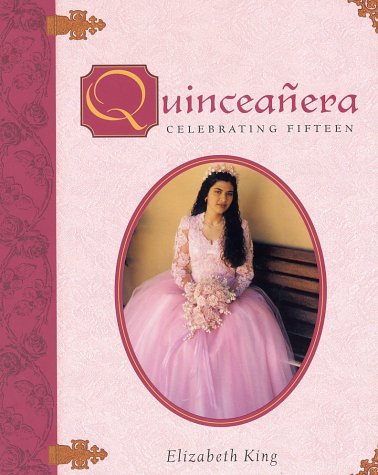
 You are invited to the biggest party of Cindy Chvez’s life. In text and gorgeous color photos, Elizabeth King takes us to this joyous, once-in-a-lifetime event–the quinceañera. It is the celebration of a Latina’s fifteenth birthday, a coming-of-age ritual in which a community welcomes its newest adult member with a church service, a feast, and dancing. The tradition, which has its roots in Aztec and Mexican custom, is popular in the United States. With a lavish dress, an honor court of friends, a big cake, and a night filled with music, the quinceañera is a chance for a young woman to feel like a queen. But there are solemn, quiet moments, too, particularly at the Mass held before the party. The history, significance, and fun of the quinceañera are warmly recounted in this lovely book. It is an inviting glimpse at a part of American culture for newcomers to the tradition, and a special scrapbook for those anticipating or remembering their own quinceañera.
Bilingual
Adiós, Tricycle
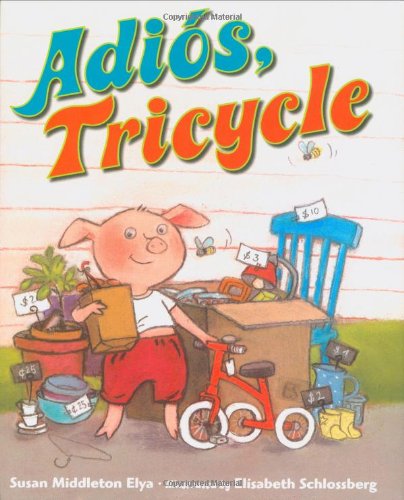 It’s yard sale time, and things are flying off the tables. But this little piggy isn’t letting anybody buy his tricycle. Sure, he’s too big to ride it, but that doesn’t mean he doesn’t love it anymore! But when the day is almost over, someone just the right size comes along, and it’s clearly time to let the trike go. Luckily, it turns out the yard sale money is meant for a very exciting new purchase—a big-boy bike! Susan Middleton Elya’s trademark mix of Spanish vocabulary and clever verse and Elisabeth Schlossberg’s vibrant illustrations come together in a funny, tender tale of saying good-bye to things you’ve outgrown.
From The Bellybutton Of The Moon And Other Summer Poems/Del Ombligo De La Luna Y Otros Poemas De Verano
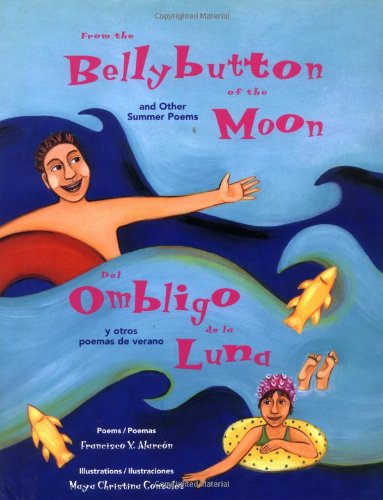 From the Bellybutton of the Moon is renowned poet Francisco X. Alarcon’s fresh collection of 22 bilingual poems inspired by his touching recollections of childhood summers in Mexico. With a poet’s magical vision, Alarcon takes us back to his childhood when he traveled with his family to Mexico to visit his grandma and other relatives. We travel with him in the family station wagon, across the misty mountain range to the little town of Atoyac. There, in the beloved town of his ancestors, we hear his grandma’s stories, sample Auntie Reginalda’s tasty breakfasts, learn about the keys to the universe, and take playful dips in the warm sea. The lighthearted illustrations of Maya Christina Gonzalez perfectly capture the spirit of a summer in Alarcon’s Mexico where “colors are more colorful, tastes are tastier, and even time seems to slow down.”
Juan The Bear And The Water Of Life: La Acequia De Juan Del Oso (Paso Por Aqui Series On The Nuevomexicano Literary Heritage)
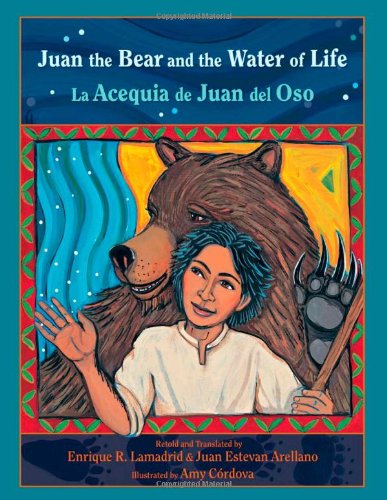 La Acequia del Rito y la Sierra in the Mora Valley is the highest and most famous traditional irrigation system in New Mexico. It carries water up and over a mountain ridge and across a sub-continental divide, from the tributaries of the RÃo Grande to the immense watershed of the Mora, Canadian, Arkansas, and Mississippi Rivers. The names and stories of those who created this acequia to sustain their communities have mostly been lost and replaced by myths and legends. Now, when children ask, some parents attribute the task of moving mountains and changing the course of rivers to Juan del Oso, the stouthearted man whose father was a bear.From the mountains of northern Spain to the Andes in South America, Spanish-speaking people have told ancient legends of Juan del Oso and his friends. In this children’s tale, agriculturalist Juan Estevan Arellano and folklorist Enrique Lamadrid share a unique version of a celebrated story that has been told in northern New Mexico for centuries.Reading level: age 10 years and up
Delicious Hullabaloo/Pachanga Deliciosa
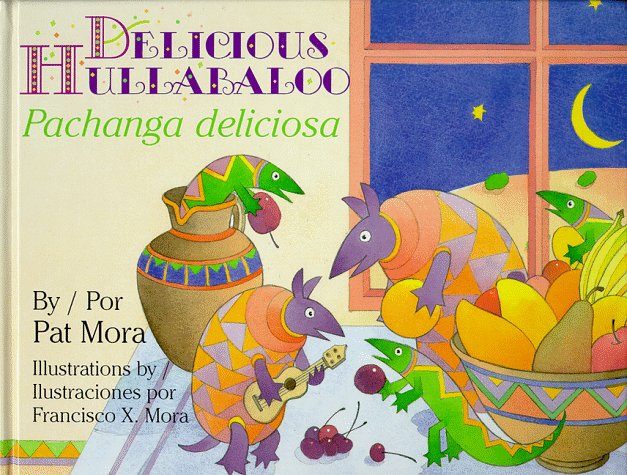 In this poem in English and Spanish, lizards, armadillos, and other creatures of the night make merry beneath the desert moon, enjoying the strains of a mariachi band and gobbling lots of delicious food.
The Christmas Gift
With honesty and rare grace, award-winning author Francisco Jiménez shares his most poignant Christmas memory in this remarkable book. Illustrated with paintings full of strength and warmth, written in spare bilingual text, this simple story celebrates the true spirit of Christmas, and illuminates how children do indeed draw strength from the bonds of their families.
Gracias / Thanks (English And Spanish Edition)
In a series of poetic sentences, a young boy (biracial Mexican/Caucasian) tells about some of the everyday things for which he is thankful. Come share the joy, and think about all the things for which you can say, ¡Gracias! Thanks!
Gathering The Sun: An Alphabet In Spanish And English
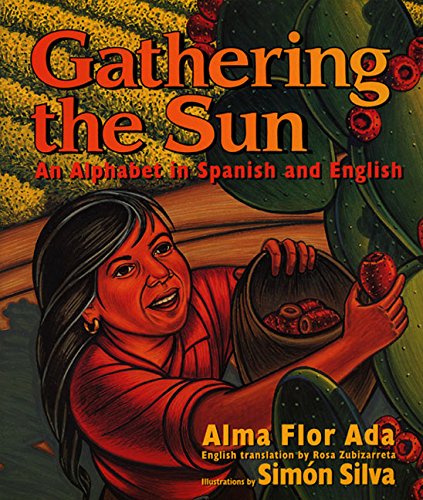 Translated by Rosa Zubizarreta.Simple poems and glorious paintings offer a deeply moving portrait of migrant Chicano farmworker families at work and play.
Fables and Other Mayan Tales Of Atitlan (Spanish Edition)
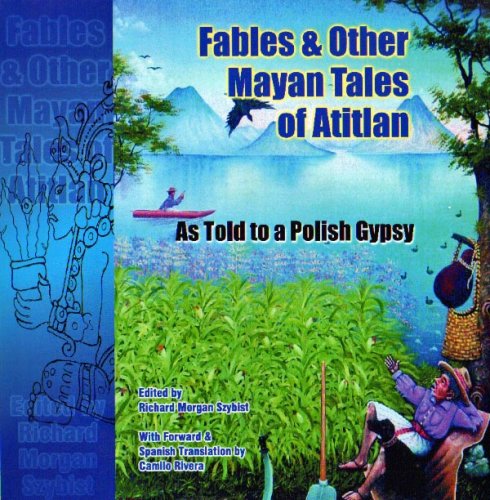 This is a collection of 12 folktales from the various Mayan communities around the shoreline of Lake Atitlan, located in the highlands of Guatemala. This edition is bilingual English-Spanish and, beyond entertainment, incorporates ethnographic and geographical descriptive information about the environment and Mayan culture in the rural highlands of Guatemala.
Cooper’s Lesson
 Cooper’s Lesson is an inspiring story about identity and intergenerational friendship, featuring a young biracial boy, written in both English and Korean. Cooper has had about enough of being half and half. And he’s really had enough of Mr. Lee, the owner of his neighborhood grocery store, speaking to him in Korean even though Cooper can’t keep up. Frustrated, he often wonders why things have to be so complicated. Why can’t he just be one race or the other? But one moment in Mr. Lee’s store changes everything. Soon Cooper realizes that the things that make up a person are never simple — whether one talks about them in English or Korean. Richly hued oil paintings and tender vivid prose combine to bring the characters to life.