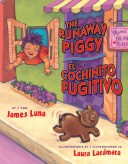
The sun shines through the windows of Martha’s Panadería onto the shelves of freshly baked Mexican treats. In the classic tradition of The Gingerbread Man, James Luna’s piggy cookie leaps off the baking tray and takes the reader on a mad dash through the barrio. Each person the piggy encounters is greeted by his laugh and the repeated refrain: “Chase me! Chase me down the street! But this is one piggy you wonzt get to eat! I ran away from the others and I’ll run away from you!” The cochinito fugitivo avoids being eaten by the long line of people chasing him through the neighborhood streets, until he meets a crafty little girl named Rosa! A retelling of a familiar story set in a colorful Latinx neighborhood.
United States
Materials from United States of America
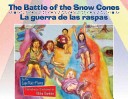
The Battle Of the Show Cones / La Guerra de las Raspas
It was so hot in Caliente, Texas, that the townspeople gulped gallons of lemonade and poured buckets of water over their heads, but they couldnzt stay cool.Swinging on the front porch with her mother, Elena suddenly has an idea. Raspaszicy cold snow coneszare what the neighbors need to stay cool. And she can make and sell the refreshing treats from a stand in her own front yard! So with the help of her parents, Elena soon has a stand and the items needed to make and sell the snow cones. Before long everyone is lining up to buy the frosty delights in delicious flavors.Elenazs best friend Alma watches her friendzs success from across the street and decides to start her own snow cone stand. And so begins the battle of the snow cones, with each girl devising ever more elaborate plans to attract clients: decorating their stands with colorful Mexican crepe paper flowers and papel picado, adding exotic flavors such as coconut and mango to their menus, staging puppet shows and even a folkloric dance. The girlsz ice shaving machines furiously crank out raspas, until one day both machines go bonkers! Readers will enjoy the girlsz clever antics to attract customers in this lively, colorful picture book for children ages 4 z 8. And just as important, children will learnzalong with Elena and Almazthat competitors can still be friends.
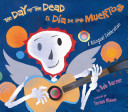
The Day of the Dead, El día de los Muertos
Follow two children as they celebrate their ancestors on this vibrant holiday. They offer marigolds, sugar skulls, and special bread, and make delicious foods. By spreading marigold petals, they guide the dead home to join the festivities. Finally, after singing and dancing, it’s time for bed. Bob Barner’s luscious collages incorporate the traditional symbols of Day of the Dead. His poetic text is both English and Spanish. An author’s note provides additional information on the holiday.
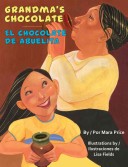
Grandma’s Chocolate / El chocolate de abuelita
Abuela’s visits from Mexico are always full of excitement for young Sabrina. She can’t wait to see what’s in her grandmother’s yellow suitcase covered in stickers from all the places she has visited. Opening it is like opening a treasure chest, and this year is no different. With her grandmother’s help, Sabrina learns all about the cacao tree, which was first cultivated by Mexico’s Indigenous tribes. Today, seeds from the cacao tree give us chocolate, but years ago the seeds were so valuable they were used as money. This charming bilingual picture book that depicts a loving relationship between grandmother and granddaughter and shares the history and customs of the native peoples, Mayan and Aztec, of Mexico.
Busy Toes
Tip-toe into the pages of this exquisitely illustrated book and dig, squish, and splash your way to discover the many secrets and delights of our toes.
Grandma Susan Remembers
A grandmother from an old Maine family that came to America from England generations ago relates family and cultural life to her grandchildren as they enjoy various traditions of the New England seacoast.
My House/Mi casa
Teaches children the names of common objects in and around the house with pages of delightful illustrations.
My Tata’s Guitar/La guitarra de mi tata
While sharing stories of their Mexican-American family’s past, a father gives his young son the guitar he received from his own father.
Braids/Trencitas
This bilingual story shows the importance of family and of reading, while also emphasizing the rewards of passing along cultural traditions. Beautiful illustrations portray the moving story of Bela and her grandma, who love to tell stories, braid hair, and play lotería with the family: “Our stories, like our braids, bind us forever.”
Dos Años
The idea that hands, feet, eyes, ears, legs, and arms all come in pairs is discovered by two Asian-American toddlers.