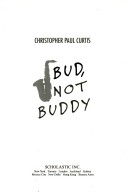
Ten-year-old Bud, a motherless boy living in Flint, Michigan, during the Great Depression, escapes a bad foster home and sets out in search of the man he believes to be his father–the renowned bandleader, H.E. Calloway of Grand Rapids.

Materials from United States of America
Ten-year-old Bud, a motherless boy living in Flint, Michigan, during the Great Depression, escapes a bad foster home and sets out in search of the man he believes to be his father–the renowned bandleader, H.E. Calloway of Grand Rapids.
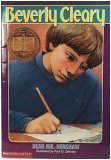 In his letters to his favorite author, ten-year-old Leigh reveals his problems in coping with his parents’ divorce, being the new boy in school, and generally finding his own place in the world.
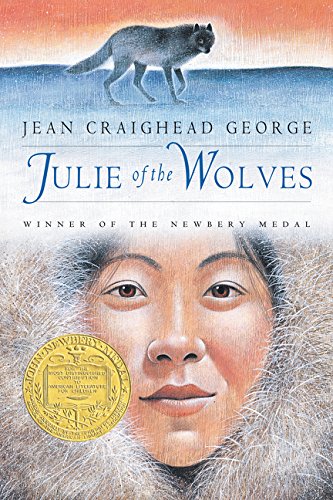 Faced with the prospect of a disagreeable arranged marriage or a journey acoss the barren Alaskan tundra, 13-year-old Miyax chooses the tundra. She finds herself caught between the traditional Eskimo ways and the modern ways of the whites. Miyax, or Julie as her pen pal Amy calls her, sets out alone to visit Amy in San Francisco, a world far away from Eskimo culture and the frozen land of Alaska.
During her long and arduous journey, Miyax comes to appreciate the value of her Eskimo heritage, learns about herself, and wins the friednship of a pack of wolves. After learning the language of the wolves and slowly earning their trust, Julie becomes a member of the pack.
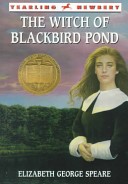
Kit Tyler must leave behind shimmering Caribbean islands to join the stern Puritan community of her relatives. She soon feels caged, until she meets the old woman known as the Witch of Blackbird Pond. But when their friendship is discovered, Kit herself is accused of witchcraft!
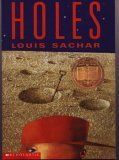
As further evidence of his family’s bad fortune which they attribute to a curse on a distant relative, Stanley Yelnats is sent to a hellish correctional camp in the Texas desert where he finds his first real friend, a treasure, and a new sense of himself.
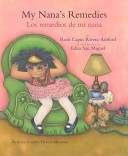
A little girl tells how her grandmother makes special teas and warm drinks for her and her little brother when they are not feeling well.
See the review at WOW Review, Volume 3, Issue 2
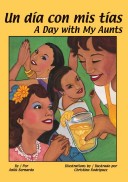
Isabel visits her aunts on Saturdays. They dance, dress up, and make empanadas.
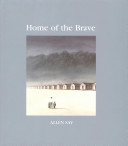
Following a kayaking accident, a man experiences the feelings of Japanese-American children interned during World War II and children on Indian reservations.
Take a closer look at Home of the Brave as examined in WOW Review.
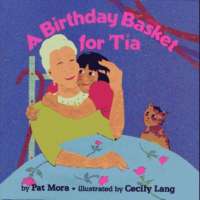
With the help of her cat, Chica, Cecilia prepares a special gift in honor of her great-aunt’s ninetieth birthday, a celebration basket filled with things to remind Tia of the wonderful moments that she and Cecilia have shared.
Our new kitty likes to hide. A nuestra nueva gatita le gusta esconderse. She hides under the table, Se esconde debajo de la mesa, inside a flowerpot, dentro de una maceta and behind the curtains. Y detrás de las cortinas. We call out to her, La llamamos, pero . . . but will she ever come close enough to pet? ¿se acercará lo suficiente como para acariciarla? Here, kitty, kitty! ¡Ven, gatita, ven! This third book in Pat Mora’s bilingual My Family/Mi familia series will delight children with its mischievous kitty, playful illustrations, and engaging story. Este tercer libro de la serie bilingüe My Family/Mi familia de Pat Mora entretendrá a los niños con una gatita traviesa, ilustraciones graciosas y una historia encantadora.