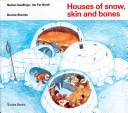
Describes the construction materials and methods used by the Inuit to build different types of shelters suitable to their environment.

Material appropriate for intermediate age groups
Describes the construction materials and methods used by the Inuit to build different types of shelters suitable to their environment.
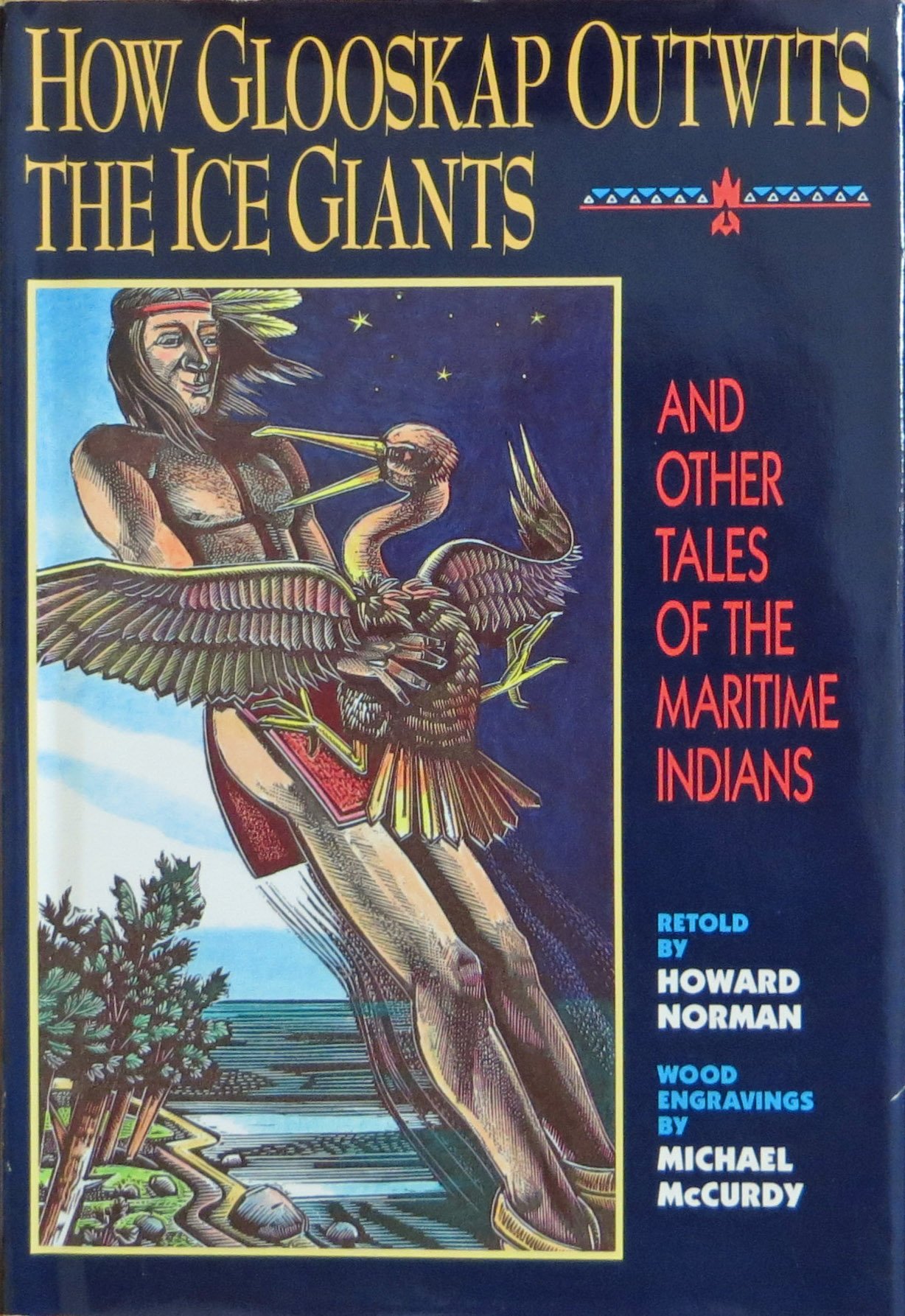 Six tales featuring the mythical giant who roamed the coast to New England and Canada, created the Indian peoples to keep him company, and fought battles to protect them ever after.
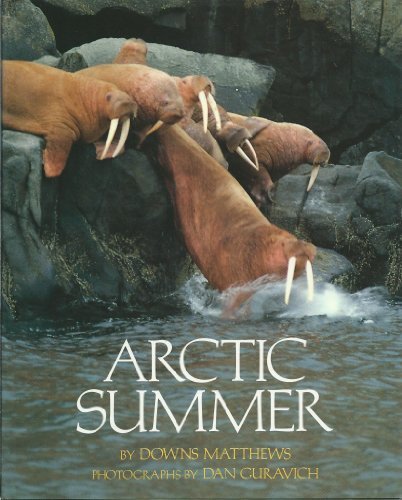 Depicts the creatures who reside in the Arctic–including polar bears, foxes, birds, walruses, and many others–taking advantage of the brief period of sunshine and warmer weather
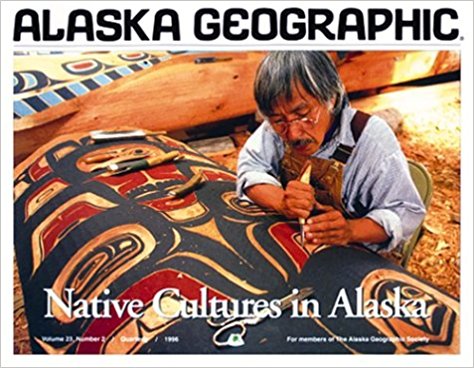 Alaska Geographic presents the people, places, and wonders of Alaska to the world. Over the past 30 years, Alaska Geographic has earned its reputation as the publication for those who love Alaska.
Describes the homes, food, clothing, and everyday life of an Eskimo community in Greenland and includes information on animals that live in arctic regions.
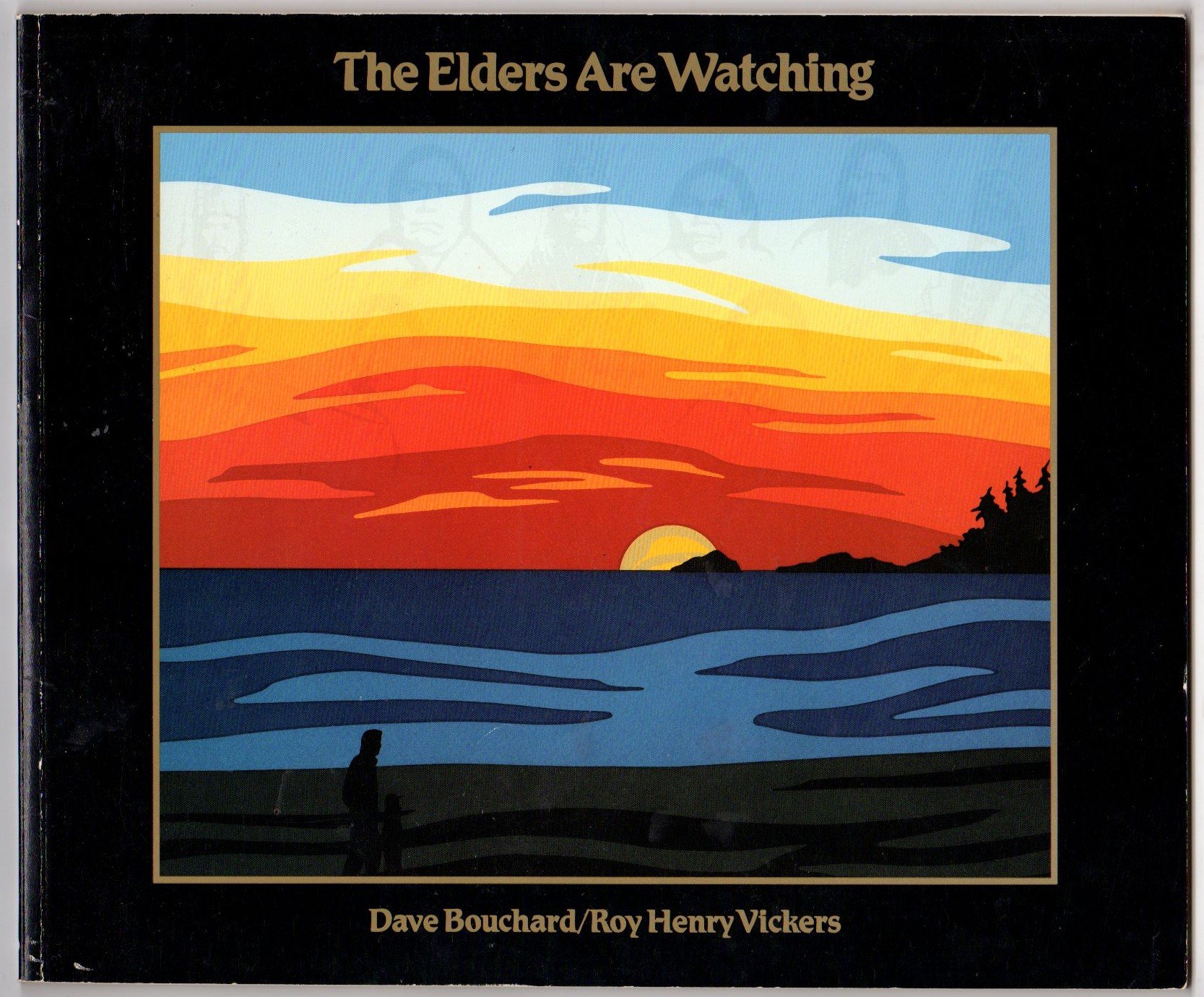 As Native elders have advised from time immemorial, this is a gentle plea to respect the natural environment.
When the award-winning poet David Bouchard first saw the artwork of First Nations artist Roy Henry Vickers, he was struck by Vickers’ reverence for nature, the vibrancy of his colors, and his perceptive understanding of Canada’s rugged West Coast. He saw in Vickers’ images the perfect complement to his own lyrical, thoughtful poetry. They collaborated on the original edition of The Elders Are Watching, which has delighted more than 100,000 readers in four languages. Bouchard says, “Both Roy and I share similar dreams for our children. Through this book, we hope that others will come to share these dreams and together work toward correcting some of the mistakes of the past.”
In this new edition, their vision is as fresh and relevant today as it was when the book was first published. A plea to respect the natural treasures of our environment and a message of concern from aboriginal leaders of the past to the people of the new millennium, The Elder Are Watching has both a timelessness and an urgency that must be heard.

Nutaaq and her older sister, Aaluk, are on a great journey, sailing from a small island off the coast of Alaska to the annual trade fair. There, a handsome young Siberian wearing a string of cobalt blue beads watches Aaluk “the way a wolf watches a caribou, never resting.” Soon his actions—and other events more horrible than Nutaaq could ever imagine—threaten to shatter her I~nupiaq world. Seventy years later, Nutaaq’s greatgranddaughter, Blessing, is on her own journey, running from the wreckage of her life in Anchorage to live in a remote Arctic village with a grandmother she barely remembers. In her new home, unfriendly girls whisper in a language she can’t understand, and Blessing feels like an outsider among her own people. Until she finds a cobalt blue bead—Nutaaq’s bead—in her grandmother’s sewing tin. The events this discovery triggers reveal the power of family and heritage to heal, despite seemingly insurmountable odds. Two distinct teenage voices pull readers into the native world of northern Alaska in this beautifully crafted and compelling debut novel.
An introduction to the many forms of the inuksuk structure The image of a traditional Inuit stone structure, or inuksuk, silouetted against an arctic sky, has become a familiar symbol. Yet, for many, their purpose remains a mystery. In a stunning new book, artist and children’s author Mary Wallace, in consultation with Inuit elders and other noted experts, gives a fascinating introduction in words, pictures, and paintings to the many forms of the inuksuk structure and its unique place in Inuit life and culture.
Describes how the Inuit built their igloos, kayaks and sledges; made their clothing and prepared their food; played games and carved objects from soapstone; and how they hunted and fished.
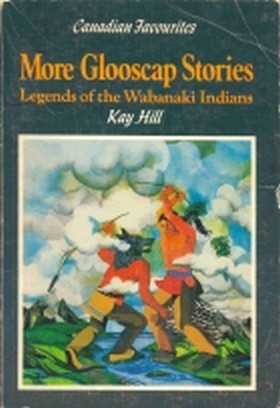 Eighteen traditional tales of the Wabanaki tribe from the eastern woodland include “Glooscap, the Great Chief,” “The Year Summer Was Stolen, ” and “Tomik and the Magic Mat.”