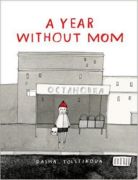
A Year Without Mom

A Year Without Mom follows 12-year-old Dasha through a year full of turmoil after her mother leaves for America. It is the early 1990s in Moscow, and political change is in the air. But Dasha is more worried about her own challenges as she negotiates family, friendships and school without her mother. Just as she begins to find her own feet, she gets word that she is to join her mother in America — a place that seems impossibly far from everything and everyone she loves.

See the review at WOW Review, Volume 8, Issue 2

Child Soldier: When Boys and Girls Are Used in War

Michel Chikwanine was five years old when he was abducted from his schoolyard soccer game in the Democratic Republic of Congo and forced to become a soldier for a brutal rebel militia. Against the odds, Michel managed to escape and find his way back to his family, but he was never the same again. After immigrating to Canada, Michel was encouraged by a teacher to share what happened to him in order to raise awareness about child soldiers around the world, and this book is part of that effort.

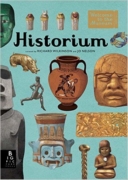
Welcome to the Museum: Historium

Welcome to the museum! There are more than 160 historical artifacts to be discovered in Welcome to the Museum: Historium. Wander the galleries of this museum whenever you wish—it’s open 365 days a year!—and discover a collection of curated objects on every page, accompanied by informative text. Each chapter features a different ancient civilization, from the Silla dynasty of Korea to ancient Rome.

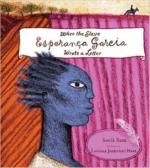
When The Slave Esperança Garcia Wrote A Letter

In 1770, the slave Esperança Garcia bravely penned a letter to the governor of Piauí state, in Brazil, describing how she and her children were being mistreated and requesting permission to return to the farm where the rest of her family was living. Before she wrote her letter, Esperança Garcia lived on a cotton farm run by Jesuit priests, where she learned to read and write — a rare opportunity for a woman, especially a slave. But one day, she was separated from her husband and older children and taken with her two little ones to be a cook in the home of Captain Antonio Vieira de Couto, where she and the other slaves were beaten.

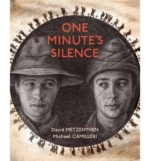
One Minute’s Silence

On the 100th anniversary of the start of World War I, David Metzenthen asks, “What is the true meaning of remembering?” This is a powerful and moving picture book for older readers about the “one minute’s silence” observed in Australia on Remembrance Day, and what Gallipoli means to Australians in this context.

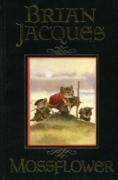
Mossflower

The story behind the epic bestseller Redwall. One late autumn evening, Bella of Brockhall snuggled deep in her armchair and told a story. It all began the day the soldiers from Kotir knocked on Ben Stickle’s door. Led by the ferret, Blacktooth, they had come for the family’s food supplies to swell the larders of the dark castle. And so it had been since the day Verdauga Greeneyes, king of wildcats, came down from the north and set himself up as tyrant ruler. Now the woodlanders lived a life of serfdom and cruelty.

Brian Froud’s Goblins 10 1/2 Anniversary

If you brought home the first edition, you were in big trouble! If you bring home this new and expanded edition, you are in even deeper trouble! Renowned artist Brian Froud and scholar Ari Berk have continued their exploration of the goblin realm. (For the uninformed, goblins are those maleficent creatures who cause all manner of havoc in the human realm.)

The Broken Tusk: Stories Of The Hindu God Ganesha

This collection of Hindu folktales for middle readers features stories about the god, Ganesha, who is easily recognized because of his elephant head. Krishnaswami introduces the stories by recalling her own introduction to Ganesha and goes on to offer a mythological context for the tales. Included among the tales are Ganesha’s Head, The Broken Tusk, and ‘Why Ganesha Never Married.

Potiki (Talanoa)

This compelling novel will resonate for people everywhere who find their livelihood threatened by “Dollarmen” – property speculators advocating golf courses, high rises, shopping malls, and tourist attractions. In ‘Potiki’, one community’s response to attacks on their ancestral values and symbols provides moving affirmation of the relationship between land the the people who live on it.