
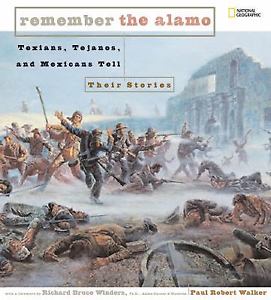
 An account of the famous battle of the Alamo which presents different points of view of the event.
Nonfiction
Nonfiction genre
Voices From The Fields: Children Of Migrant Farmworkers Tell Their Stories
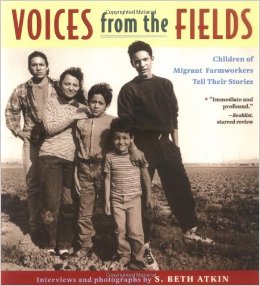
Interviews with nine children of Hispanic migrant farm workers reveal some of their struggles, such as the long hours in the fields and the language barriers at school, and their aspirations for a better life.
The Big Spanish Heritage Activity Book
This comprehensive activity book for children offers action-packed fun highlighting the contributions of the Hispanic Colonial settlers in the multi-cultural environment of the American Southwest. There are eight sections: The Age of Discovery, The New World, Colonial Life, The Camino Real, The Native Americans, Hispanic Art, Hispanic Architecture, and Hispanic Crafts. Projects are presented in a variety of formats such as illustrations to complete, word searches, matching names and ideas, picture construction, puzzles, and more. This entertaining activity book, richly illustrated by the author, provides a wonderful introduction into the romance and excitement of the Hispanic settlement of America.
Conversations with Contemporary Chicana and Chicano Writers
 Hector A. Torres conducted these interviews with today’s popular Chicano/a writers, asking each about language and life between languages, about the creative drive that has guided them in their craft and commits them to their art. In sharing their responses, Torres reveals a brief biography of each author and a concise examination of their writings. Taking their stories and essays individually and collectively, Torres explains how each author reiterates issues that have concerned Mexican Americans since at least 1848. Chicano/a authors know that an abundance of politics can spoil a story, as can too little. The writers included here span historical terrain, first, under the shadow of Manifest Destiny and, then, under the America’s imperial sovereignty stance. Interviewees include Rolando Hinojosa (“I Reflect the Way Valleyites Act and React”), Arturo Islas (“I Don’t Like Labels and Categories”), Erlinda Gonzales-Berry (“On the New Mexican Borderlands”), Gloria Anzaldúa (“The Author Never Existed”), Ana Castillo (two separate interviews), Sandra Cisneros (two separate interviews), Pat Mora (“I Was Always at Home in Language”), Richard Rodriguez (“I Don’t Think I Exist”), Demetria Martinez (“To Speak as Global Citizens”), and Kathleen Alcalá (“To Tell the Counternarratives”).
Quinceanera: A Latina’s journey to womanhood
Photographs and text follow a Mexican-American girl through a coming-of-age ritual that helps to preserve a rich heritage in today’s Latino community in the United States.
The Migrant Project: Contemporary California Farm Workers
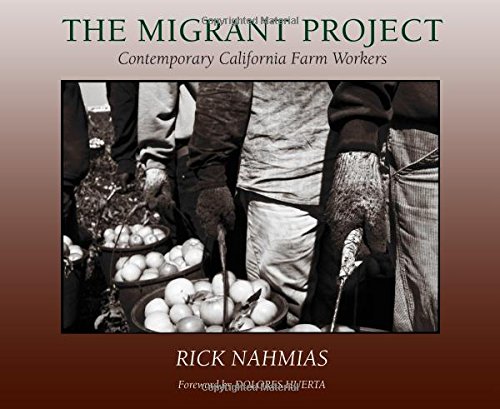 The images in this book highlight the lives of the men and women who struggle to exist while literally feeding this country. Countless words and studies over decades bemoan the plight of those who toil in the fields, but Rick Nahmias’s pictures bring farm workers to us in an unforgettable way, taking us beyond stoop labor stills and into their intimate moments and inner lives. Having traveled over four thousand miles to document California’s migrant workforce, Nahmias’s soulful images and incisive text go beyond one state’s issues, illuminating the bigger story about the human cost of feeding America. The Migrant Project includes the images and text of the traveling exhibition of the same name, along with numerous outtakes and an in-depth preface by Nahmias. Accompanied by a Foreword from United Farm Worker co-creator Dolores Huerta, essays by top farm worker advocates, and oral histories from farm workers themselves, this volume should find itself at home in the hands of everyone from the student and teacher, to the activist, the photography enthusiast, and the consumer.”Every day in the hot fields of California, hundreds of thousands of farmworkers toil for long hours at low pay to provide fruit and vegetables to feed our nation. Most Americans never see the faces of these hard-working men and women, and know little or nothing about the harsh conditions they endure. The Migrant Project has done an extraordinary job documenting these workers’ lives. Rick Nahmias’s powerful photographs and the beautiful essays of dedicated advocates tell an inspiring story of the farmworkers’ historic struggle for the respect, the dignity, and the justice they so obviously deserve.”–U.S. Senator Edward M. Kennedy, Massachusetts “Nahmias’s images starkly capture both the humanity of the farm workers who literally feed our country, and the inhumanity of a system which has kept them and their predecessors prisoners to poverty for decades. This book is a testament to the flesh-and-blood cost of feeding America.”–Arianna Huffington, author, editor-in-chief of The Huffington Post, and nationally syndicated columnistExhibition schedule for The Migrant Project photographs:Mexican Cultural Institute, Washington D.C., February 21-April 14, 2008Museum of Tolerance, Los Angeles, California, March 4-April 25, 2008For more information on immigrant and migrant worker issues, please access the following organizations:Farmworker JusticeCalifornia Rural Legal AssistanceNational Association of State Directors of Migrant EducationNational Council for La RazaInternational Relations Center Americas ProgramCongressional Hispanic Caucus InstituteGlobal Commission on International MigrationInstitute for Agriculture and Trade PolicyNational Farmworker MinistryNational Rural Funders CollaborativeNational Farm Worker AllianceSouthern Poverty Law CenterUMOS Clergy and Laity United for Economic JusticeAmerican Friends Service CommitteeAFL-CIOCoalition for Comprehensive Immigration ReformCatholic Campaign for Immigration Reform
Quinceanera: English-Language Edition
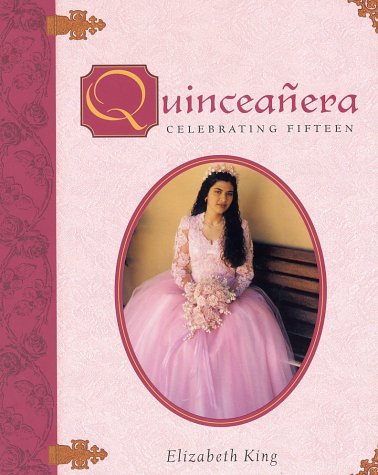 You are invited to the biggest party of Cindy Chvez’s life. In text and gorgeous color photos, Elizabeth King takes us to this joyous, once-in-a-lifetime event–the quinceañera. It is the celebration of a Latina’s fifteenth birthday, a coming-of-age ritual in which a community welcomes its newest adult member with a church service, a feast, and dancing. The tradition, which has its roots in Aztec and Mexican custom, is popular in the United States. With a lavish dress, an honor court of friends, a big cake, and a night filled with music, the quinceañera is a chance for a young woman to feel like a queen. But there are solemn, quiet moments, too, particularly at the Mass held before the party. The history, significance, and fun of the quinceañera are warmly recounted in this lovely book. It is an inviting glimpse at a part of American culture for newcomers to the tradition, and a special scrapbook for those anticipating or remembering their own quinceañera.
We Walk In Sandy Places
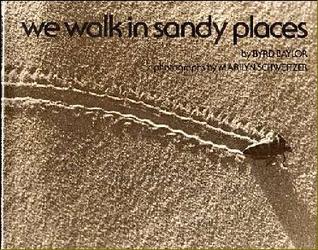 When animals cross the desert their tracks leave behind a story in the sand.
N Is for Navidad
Bienvenidos! to a celebration of Christmas, Latino-style! From the ngel (angel) hung above the door to the zapatos (shoes) filled with grass for the wise men s camels, each letter in this festive alphabet introduces children to a Spanish word, and each colorful page takes them through another joyous aspect of the 22 days of the traditional holiday. Vibrant art from acclaimed illustrator Joe Cepeda beautifully complements the lively, rhythmic text to bring the reader a wealth of heritage and a season of light! Feliz Navidad!
Our Beckoning Borders: Illegal Immigration To America
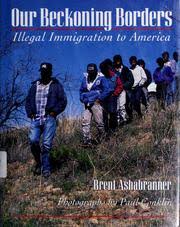 Examines the problems connected with illegal immigration in the United States, from the perspectives of the immigrants themselves as well as from that of law enforcement officials.