
 Experiencing first love, dealing with crushes, and mending a broken heart are some of the topics of love and life captured in these poems, told from the point of view of young adults of both sexes and diverse ethnicities.
Genre
Catalog sorted by genre
From The Bellybutton Of The Moon And Other Summer Poems/Del Ombligo De La Luna Y Otros Poemas De Verano
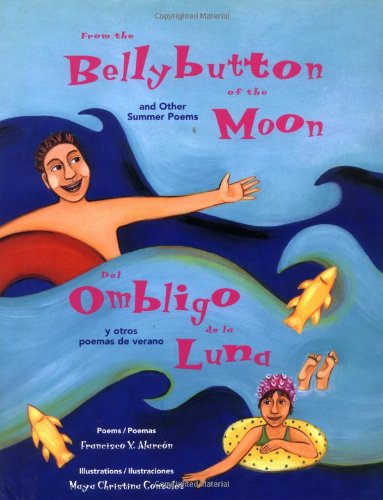 From the Bellybutton of the Moon is renowned poet Francisco X. Alarcon’s fresh collection of 22 bilingual poems inspired by his touching recollections of childhood summers in Mexico. With a poet’s magical vision, Alarcon takes us back to his childhood when he traveled with his family to Mexico to visit his grandma and other relatives. We travel with him in the family station wagon, across the misty mountain range to the little town of Atoyac. There, in the beloved town of his ancestors, we hear his grandma’s stories, sample Auntie Reginalda’s tasty breakfasts, learn about the keys to the universe, and take playful dips in the warm sea. The lighthearted illustrations of Maya Christina Gonzalez perfectly capture the spirit of a summer in Alarcon’s Mexico where “colors are more colorful, tastes are tastier, and even time seems to slow down.”
Chiles For Benito / Chiles Para Benito
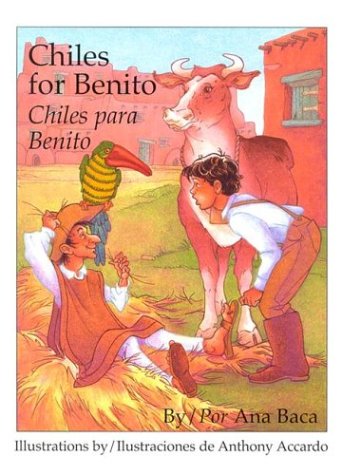 This charming bilingual fable explains the origins of the all-important chile Chiles ristras adorn the kitchen and dishes all over New Mexico. In the winter, when the nights grow longer and the winds blow stronger, chiles season meats and stews bringing New Mexico spice to every hungry taste bud. But chiles didn’t always grow in New Mexico, and Ana Baca tells a special fable about Benito and the chiles that crawled all over his family’s simple homestead. Benito’s mother sends him to the country fair in the hopes of their cow winning the first place prize. This would give them money to buy some seeds for the crop, but the cow misbehaves and they must leave the fair. Suddenly, Benito is stopped by a mysterious man with a peculiar bird on his shoulder. The man offers Benito some powerful seeds in exchange for his cow, which Benito quickly accepts. But when only uncontrollable weeds grow from the ground, Benito begins to feel foolish. The neighboring farmers begin to complain that the relentless weeds are killing their crop. How will the community survive? Will the rapidly growing weeds ever bear fruit for Benito?
Lupe Vargas And Her Super Best Friend / Lupe Vargas Y Su Super Mejor Amiga
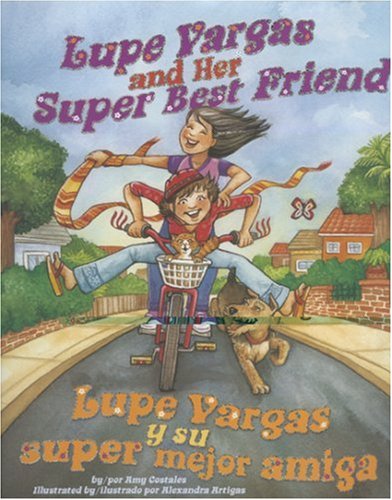 Lupe and Maritza are super best friends. When they’re together, they can be anything they want—pirates, scientists, or heroes. When they’re apart, well, life just isn’t as fun. This is the story of two girls who make each day a new adventure. And when they get into a spat—which is inevitable even among the most super, best of friends—they have to find a way to make it right. And luckily, with a little bit of this and a little bit of that, they do.
N Is for Navidad
Bienvenidos! to a celebration of Christmas, Latino-style! From the ngel (angel) hung above the door to the zapatos (shoes) filled with grass for the wise men s camels, each letter in this festive alphabet introduces children to a Spanish word, and each colorful page takes them through another joyous aspect of the 22 days of the traditional holiday. Vibrant art from acclaimed illustrator Joe Cepeda beautifully complements the lively, rhythmic text to bring the reader a wealth of heritage and a season of light! Feliz Navidad!
Mayte and the Bogeyman/ Mayte Y El Cuco
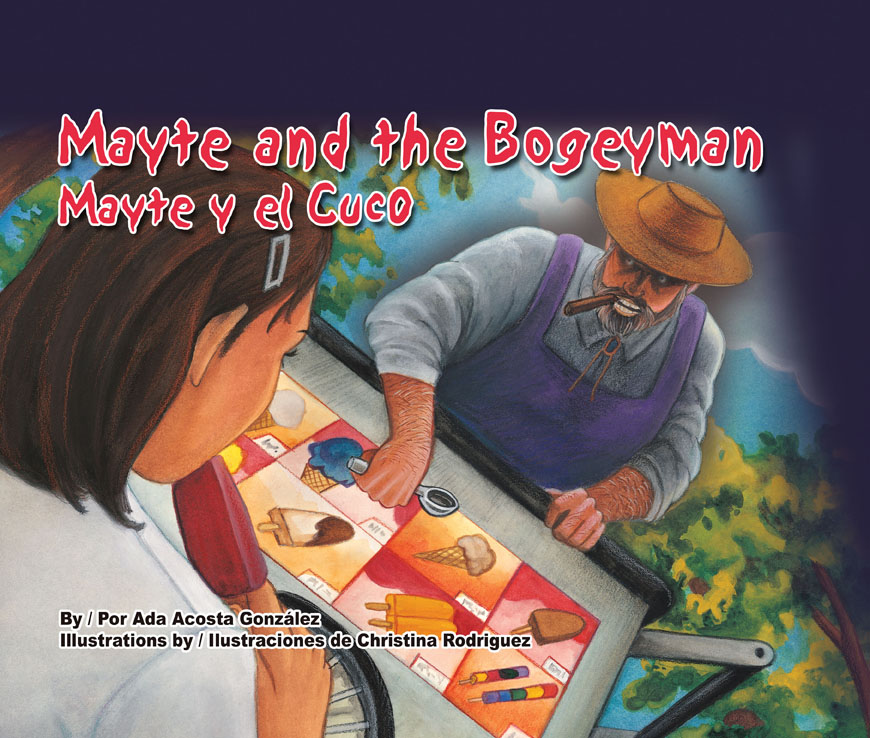 Mayte and Pepito are convinced that Don Aparicio, the dour ice cream vendor, is really the bogeyman.
Tio Armando
 When Lucita’s great-uncle Armando comes to live with them, he teaches her many truths about life.
500 Years of Chicana Women’s History/Anos de Historia de las Chicanans
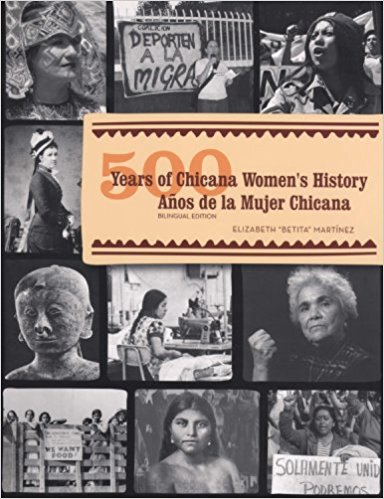 The history of Mexican Americans spans more than five centuries and varies from region to region across the United States. Yet most of our history books devote at most a chapter to Chicano history, with even less attention to the story of Chicanas. 500 Years of Chicana Women’s History offers a powerful antidote to this omission with a vivid, pictorial account of struggle and survival, resilience and achievement, discrimination and identity. The bilingual text, along with hundreds of photos and other images, ranges from female-centered stories of pre-Columbian Mexico to profiles of contemporary social justice activists, labor leaders, youth organizers, artists, and environmentalists, among others. With a distinguished, seventeen-member advisory board, the book presents a remarkable combination of scholarship and youthful appeal. In the section on jobs held by Mexicanas under U.S. rule in the 1800s, for example, readers learn about flamboyant Doña Tules, who owned a popular gambling saloon in Santa Fe, and Eulalia Arrilla de Pérez, a respected curandera (healer) in the San Diego area. Also covered are the “repatriation” campaigns” of the Midwest during the Depression that deported both adults and children, 75 percent of whom were U.S.-born and knew nothing of Mexico. Other stories include those of the garment, laundry, and cannery worker strikes, told from the perspective of Chicanas on the ground. From the women who fought and died in the Mexican Revolution to those marching with their young children today for immigrant rights, every story draws inspiration. Like the editor’s previous book, 500 Years of Chicano History (still in print after 30 years), this thoroughly enriching view of Chicana women’s history promises to become a classic.
Here, Kitty, Kitty!/Ven, gatita, ven! (My Family: Mi Familia)
Our new kitty likes to hide. A nuestra nueva gatita le gusta esconderse. She hides under the table, Se esconde debajo de la mesa, inside a flowerpot, dentro de una maceta and behind the curtains. Y detrás de las cortinas. We call out to her, La llamamos, pero . . . but will she ever come close enough to pet? ¿se acercará lo suficiente como para acariciarla? Here, kitty, kitty! ¡Ven, gatita, ven! This third book in Pat Mora’s bilingual My Family/Mi familia series will delight children with its mischievous kitty, playful illustrations, and engaging story. Este tercer libro de la serie bilingüe My Family/Mi familia de Pat Mora entretendrá a los niños con una gatita traviesa, ilustraciones graciosas y una historia encantadora.
Play Ball!
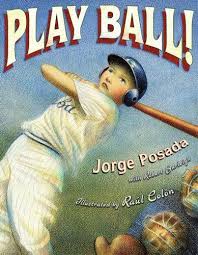 Based on the childhood of New York Yankees catcher Jorge Posada, this is the story of a boy from Puerto Rico who worked hard to be his best and didn’t stop until he was a champion.