
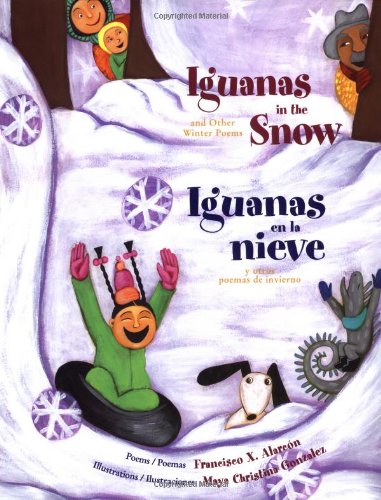
 This collection invites us to celebrate winter — by the seashore, in the city of San Francisco, and in the ancient redwood forests of the Sierras. We see a city where people have become bridges to each other and children sing in two languages. A family frolic in the snow reminds the poet of the iguanas playing by his grandmother’s house in Mexico. The seedling redwoods promise tomorrow. Maya Christina Gonzalez creates a spirited family of children and adults making their way through lively settings.
Latinx in US
My Little Car
 Teresa loves to show off her shiny, new, pedal-powered lowrider car from Grandpa, but the toy soon looks old when she neglects it. When it helps her escape from a neighborhood dog, she is reminded of how much she loves it. And her grandpa is just the person to help her fix it up. After all, he’s old, too, but he’s still fun to play with. This shows kids that it’s important to take care of the things (and people) you love.
Party Girl
The death of her best friend Ana in a drive-by shooting causes 15-year-old Kata to question her position in the Los Angeles gang life.
Quesadilla Moon
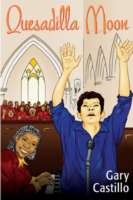
As a young migrant worker, David is shocked and thrilled when the man running the field store offers him a loaf of bread in exchange for a song. Singing has been strongly discouraged by David’s father, who views it as a less-than-manly activity. But the opportunity to get food for free is a temptation David can’t resist, and the praise he receives afterwards produces a sense of euphoria he has never felt. Someone is actually paying him to sing! But singing always leads to conflict with his father, and the only time David can do it without getting into trouble is when the others start to harmonize to pass the time as they move up and down the rows, picking cotton, asparagus, or other crops. To help get through the grueling labor, David regularly daydreams about performing in front of an adoring audience. As David and his family move from town to town following the crops, he begins to forget his dream of becoming a singer, until one day when he learns about a local competition. Somehow, his feet carry him to the Four Square Apostolic Church where the contest will take place, but he is shaken when the elderly black ladies setting up for the event tell him it’s only for “colored folk.” When he is ultimately given the chance to participate, he eagerly seizes the opportunity. Is it really possible that his dreams might come true? Will the people who believe in him–a group of African-American women and an ambitious young reporter from the Oakland Tribune–be able to help David overcome the racial, social, and familial barriers he faces?
Salsa
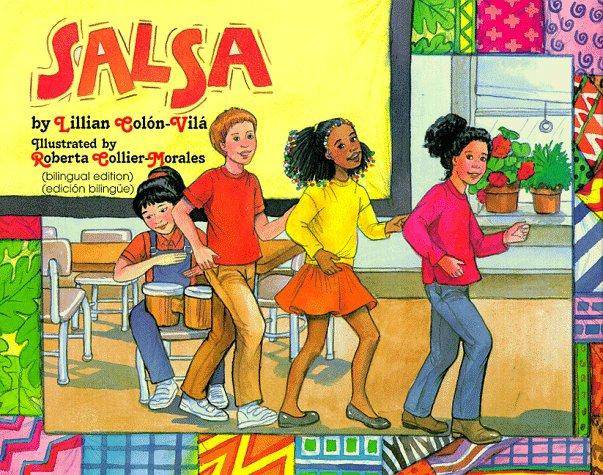 Rita, a young girl living in New York’s El Barrio, describes the Afro-Caribbean dance music, salsa, and imagines being a salsa director.
Vatos
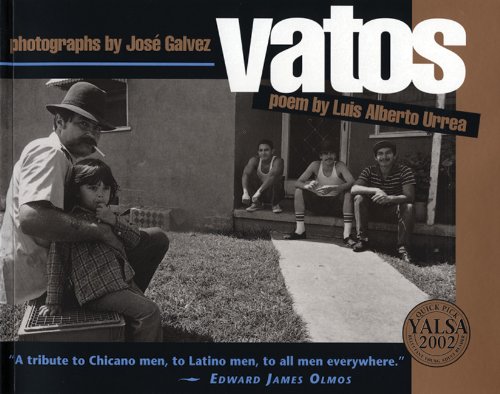 One evening, Pulitzer Prize-winning photographer Jos Galvez heard Luis Alberto Urrea read “Hymn to Vatos Who Will Never Be in a Poem” with its chant-like repetitions and its evocation of Chicano manhood. As Luis read each line, an image clicked in Jos’s memory, and he knew that he had already taken that photograph. The result of that experience is this remarkable book. Vatos is street slang for dude, guy, pal, brother. It sprang from the highly stylized language of the Pachucos (los chukotes) in the ’50s. It’s a Chicano term derived from the once-common friendly insult chivato, or goat. It had a slightly unacceptable air to it, which the Locos and Weesas of the Chuco world enjoyed. They were able to take the sting out of racism by calling themselves a bunch of names assimilated “good Mexicans” didn’t like.
Young Zorro: The Iron Brand (Young Zorro)
 Diego de la Vega is more concerned with riding horses and making mischief with his best friend, Bernardo, than about fighting injustice. But all that changes when men start disappearing from the pueblo of Los Angeles and cattle go missing from his father’s rancho. Diego and Bernardo are about to encounter an injustice so evil that they will have no choice but to take action. Inspired by Isabel Allende’s novel Zorro, which reveals how Diego de la Vega became the legendary masked hero, Young Zorro: The Iron Brand introduces readers to a land of vaqueros and kidnappers—an exciting world in which a young hero is formed.
The Rowdy, Rowdy Ranch / Alla En El Rancho Grande
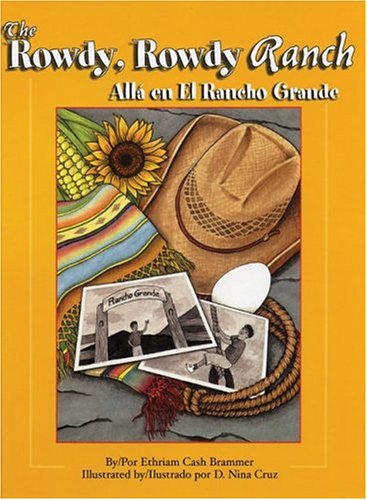 On El Rancho Grande, the grandchildren are not so interested in how Grandpa bought the ranch, but in what can be done on the ranch. The children play hide and seek in cornfields, under “the canopy of green leaves, golden threads and giant ears of corn.” They feed the family horses, ride the rambunctious pigs, and take frolicking dips in the duck pond. But through all of the outdoor escapades, their family stories are circling in the air, like the “sunflower wind” blooming around them. While drinking ice-cold lemonade in the sunshine, they hear about how Grandpa’s song of sorrow won him El Rancho. They hear about chickens that have abandoned their coops to live in Abuela’s chicken tree, and they even discover a story about a boy who cried chocolate tears. In those days of running and jumping, the narrator, Tito, did not realize that he was hearing the stories that would wrap him up “like an enchanted sarape to keep me warm for the rest of [his] life.”
Tortillas
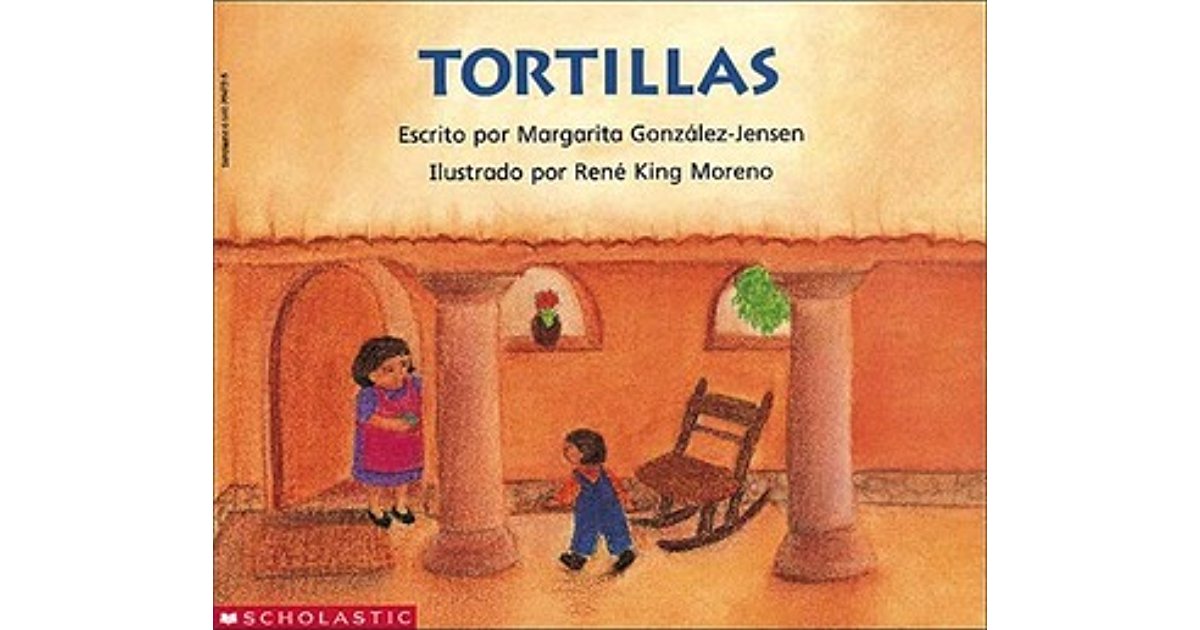 A child tells about all the different ways to enjoy tortillas
No Dogs Allowed!
 Sometimes the unexpected is even more fun than the best-laid plans. Iris, her family, the neighbors, and dog take a road trip to the lake. But first, the cars break down. Then they get lost. And when they finally arrive at the lake, they see a NO DOGS ALLOWED sign. What to do? Iris’s family’s make-do attitude saves the day, for as they go about their beach activities while trying to figure out what to do with the dog, each takes a turn taking care of the dog. Soon the day is over, and the dog has had the best time of all — the beach had been brought to him. Sesame Street’s Sonia Manzano’s first picturebook provides an ocean of humor, a warm, close-knit Puerto Rican community, and a take-charge family who refuses to let things get in their way!