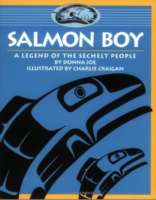
Salmon Boy: A Legend of the Sechelt People

Simple and compelling First Nations drawings illustrate this dynamic story that teaches respect for the environment and describes the life cycle of the salmon.

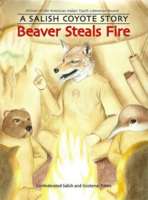
Beaver Steals Fire: A Salish Coyote Story

A long time ago, fire belonged only to the animals in the land above, not to those on the earth below. Curlew, keeper of the sky world, guarded fire and kept it from the earth. Coyote, however, devised a clever plan to steal fire, aided by Grizzly Bear, Wren, Snake, Frog, Eagle, and Beaver. These brave and resourceful animal beings raided the land above and risked all to steal fire from Curlew. Beaver Steals Fire is an ancient and powerful tale springing from the hearts and experiences of the Salish people of Montana. Steeped in the rich and culturally vital storytelling tradition of the tribe, this tale teaches both respect for fire and awareness of its significance, themes particularly relevant today. This unforgettable version of the story is told by Salish elder Johnny Arlee and beautifully illustrated by tribal artist Sam Sandoval.

The Moccasins

This is an endearing story of a young Aboriginal foster child who is given a special gift by his foster mother. Her gift of warmth and thoughtfulness helps her young foster children by encouraging self-esteem, acceptance and love. Written as a simple story, it speaks of a positive foster experience.

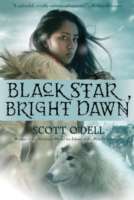
Black Star, Bright Dawn

In this redesigned edition of Scott O’Dell’s classic novel, a young Eskimo girl encounters frightening obstacles when she takes her father’s place in the Iditarod, the annual 1,172-mile dogsled race in Alaska.

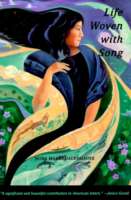
Life Woven With Song (Sun Tracks, V. 41)

The Tlingit Indians of southeastern Alaska are known for their totem poles, Chilkat blankets, and ocean-going canoes. Nora Marks Dauenhauer is a cultural emissary of her people and now tells the story of her own life within the context of her community’s. Life Woven with Song re-creates in written language the oral tradition of the Tlingit people as it records memories of Dauenhauer’s heritage–of older relatives and Tlingit elders, of trolling for salmon and preparing food in the dryfish camps, of making a living by working in canneries. She explores these recurring themes of food and land, salmon and rainforest, from changing perspectives–as a child, a mother, and a grandmother–and through a variety of literary forms. In prose, Dauenhauer presents stories such as “Egg Boat”–the tale of a twelve-year-old girl fishing the North Pacific for the first time alone–and an autobiographical piece that reveals much about Tlingit lifeways. Then in a section of short lyrical poems she offers crystalline tributes to her land and people. In a concluding selection of plays, Dauenhauer presents three Raven stories that were adapted as stage plays from oral versions told in Tlingit by three storytellers of her community. These plays were commissioned by the Naa Kahidi Theater and have been performed throughout America and Europe. They take the form of a storyteller delivering a narrative while other members of the cast act and dance in masks and costumes. Collectively, Dauenhauer’s writings form an “autoethnography,” offering new insight into how the Tlingit have been affected by modernization and how Native American culture perseveres in the face of change. Despite the hardships her people have seen, this woman affirms the goodness of life as found in family and community, in daily work and play, and in tribal traditions.


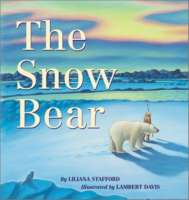
The Snow Bear

“The bear came into town in the Autumn to feed at the dump. Her cubs had been killed by hunters and she was weary. Only Bruun saw her plight…” So begins a friendship between two unlikely companions ­ Bruun, an Inuit Eskimo boy, and a snow bear from the wild. As they spend the winter out on the sea-ice together, Bruun learns the ways of the polar bear. But when spring comes, he must return home to the ways of his own people. What will happen, years later, when the two meet again and Bruun has become a hunter?

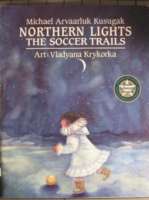
Northern Lights: The Soccer Trails

Northern Lights is a beautiful tale that explores the mystical aspects of the northern lights in Inuit culture. Scientists have their own explanations for the phenomenon that occurs when the night sky shimmers with milky white patterns, or displays all the colors of the rainbow. But the Inuit prefer their own explanation: They believe the souls of the dead are engaging in a lively game of soccer, just as they did when they were living. They run all over the sky chasing a walrus head that they use for a soccer ball. This is the story of Kataujaq and the intimate relationship she has with her mother. They do almost everything together; they hug, rub noses and say “Mamaq” which means “You smell so nice.” But a great sickness comes and Kataujaq’s mother is taken south to the white people’s hospital and never comes back. Kataujaq grieves, but is also able to rejoice when she and her grandmother watch the northern lights. This book celebrates family life, intimacy and the glory of nature.

The Song Within My Heart

Renowned Native painter Allen Sapp’s inspired and stunning artwork beautifully complements this sweet story of a boy preparing for his first powwow. The young boy’s Nokum — his beloved grandmother — guides him through the events of the day and helps him to understand what the singing and dancing are about. Award-winning author David Bouchard adds rhythmic and informative text based on remembrances from Allen Sapp’s own Cree childhood. A portion of the royalties for The Song Within My Heart will be donated to the Indian Federated College.