Star in the Forest

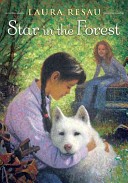
After eleven-year-old Zitlally’s father is deported to Mexico, she takes refuge in her trailer park’s forest of rusted car parts, where she befriends a spunky neighbor and finds a stray dog that she nurses back to health and believes she must keep safe so.

Confetti Girl

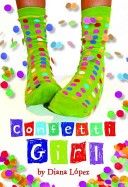
Apolonia “Lina”Flores is a sock enthusiast, a volleyball player, a science lover, and a girl who’s just looking for answers. Even though her house is crammed full of books (her dad’s a bibliophile), she’s having trouble figuring out some very big questions, like why her dad seems to care about books more than her, why her best friend’s divorced mom is obsessed with making cascarones (hollowed eggshells filled with colorful confetti), and, most of all, why her mom died last year. Like colors in cascarones, Lina’s life is a rainbow of people, interests, and unexpected changes.In her first novel for young readers, Diana López creates a clever and honest story about a young Latina girl navigating growing pains in her South Texan city.

Dance of the Eggshells/Baile de los Cascarones

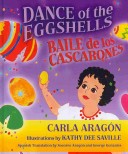
Libby and her brother have been fighting, but they find common ground while spending spring break with their grandparents near Santa Fe, New Mexico, participating in cultural events surrounding Easter.

Anthropologist

Imagine making your living by hunting, fishing, and collecting wild plants and insects. Imagine having to worry about being attacked by a jaguar or some other wild animal. This is how our ancestors lived for hundreds of thousands of years, but only a few peoples carry on this ancient lifestyle today. One of the few are the Ache, hunter-gatherers living in Paraguay, a country in South America. Magdalena Hurtado is an anthropologist who has been studying the Ache for fifteen years. She has spent years living with the Ache people: learning their language, observing their history. The photographs and text offer invaluable insight into the work of an anthropologist.

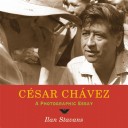
Cesar Chavez

Who was César Chávez? Here, an essay and photographs restore this man to his place in American history.The real César Chávez got lost in the hoopla. Many think he was a Mexican boxer. Young people think he’s that guy on the stamp or that statue in the park. No wonder it’s difficult, especially for our young people, to understand his human complexities and the struggles to which he gave his life.Esteemed Latin American scholar and writer Ilan Stavans, supported by more than forty photographs from archival collections at the Cesar E. Chavez Foundation, restores this man’s humanity so that readers can understand his struggles as a labor organizer and civil rights activist for farm workers. The book discusses his growing up and his family; his comadre Dolores Huerta, who stood with him from the beginning; his relationship with Dr. King and other activists in the broader struggles for civil rights for all people of color; and his insistence on being an activist for the rights of farm workers when so much media attention was given to the civil rights activists in the cities.Ilan Stavans is a nationally respected Jewish Latino writer and scholar. His story “Morirse está en hebreo” was made into the award-winning movie My Mexican Shivah, produced by John Sayles. His books include An Organizer’s Tale (Penguin Classics, 2008), Dictionary Days (Graywolf Press), The Disappearance (TriQuarterly), and Resurrecting Hebrew (Random House). Stavans has received numerous awards, among them a Guggenheim Fellowship, the National Jewish Book Award, the Latino Book Award, and Chile’s Presidential Medal. He is a professor in Latin American culture at Amherst College.

Strange Parents

This compelling novel about immigration for intermediate readers details the difficulties encountered by children separated from their parents