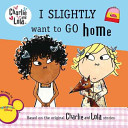
Six-year-old Maxine is dog crazy. She draws dogs, she has dogs on her T-shirts, she even drags home neighbors’ dogs in the hopes that her parents will let them stay. On a walk to the park with her big brother, Hugh, Maxine stops every time she sees a dog, hoping for a kiss or a tail-wag from the four-footed friends she adores. Hugh and some of the pet owners she meets along the way teach Maxine how to know when it is safe to approach, how to greet, and what to do to ensure a happy experience for both child and canine.Whether they’re small or big dogs, working or guard dogs, old or young dogs, even aggressive dogs, Maxine learns how best to deal with each situation. And though she aches to have them all, she is about to find out that the best dog is her own dog — the squiggly surprise her parents have waiting for her.Written so that young children can learn to “read” dog language, the veterinarian-approved information is presented in a charming storyline that is sure to appeal to young children.
Age
Catalog sorted by age group
The Good Rainbow Road
This is the story of two courageous boys and of how they saved their village, Haapaahnitse, Oak Place, and it lies at the foot of a mountain. Once there was a lake and a stream nearby, but they have dried up. The land has become barren and dry. Two brothers, Tsaiyah-dzehshi, whose name means First One, and Hamahshu-dzehshi, Next One, are chosen for a westward trek to the home of the Shiwana, the Rain and Snow Spirits, to ask them to bring the gift of water to the village again. The brothers cross deserts and mountains on an arduous journey until they are finally stopped short by a treacherous canyon filled with molten lava. “The Good Rainbow Road” tells how the brothers overcome this last challenge and continue on to their destination.
“The Good Rainbow Road” is presented in Keres, the language of Acoma Pueblo and six other Pueblo communities in New Mexico, and in English, with an additional Spanish translation in the back of the book. It is published in cooperation with Oyate, a community-based Native organization dedicated to the continuation of traditional literatures and histories.
The Navajo Year Walk Through Many Seasons
For the Navajo people, the new year begins in October, when summer meets winter. The Navajo Year, Walk Through Many Seasons follows the Navajo calendar, and provides poetic descriptions of the many sights, sounds, and activities associated with each month. In November, there are string games and stories; in April, planting of corn, beans, and squash; and in July, rodeos and monsoon rains. Follow Coyote through the year, and explore how the Navajos observe the rites and passages of each month.
The Inuit Thought Of It: Amazing Arctic Innovations (We Thought Of It)
Dazzling inventions from the far north.Today’s Arctic communities have all the comforts of modern living. Yet the Inuit survived in this harsh landscape for hundreds of years with nothing but the land and their own ingenuity. Join authors Alootook Ipellie and David MacDonald as they explore the amazing innovations of traditional Inuit and how their ideas continue to echo around the world.Some inventions are still familiar to us: the one-person watercraft known as a kayak retains its Inuit name. Other innovations have been replaced by modern technology: slitted snow goggles protected Inuit eyes long before sunglasses arrived on the scene. And other ideas were surprisingly inspired: using human-shaped stone stacks (lnunnguat) to trick and trap caribou.Many more Inuit innovations are explored here, including: Dog sleds Kids’ stuff Shelter Food preservation Clothing Medicine.In all, more than 40 Inuit items and ideas are showcased through dramatic photos and captivating language. From how these objects were made, to their impact on contemporary culture, The Inuit Thought of It is a remarkable catalog of Inuit invention.
A Native American Thought Of It: Amazing Inventions And Innovations (We Thought Of It)
Inventiveness and ingenuity from North America’s First Nations.Everyone knows that moccasins, canoes and toboggans were invented by the Aboriginal people of North America, but did you know that they also developed their own sign language, as well as syringe needles and a secret ingredient in soda pop?Depending on where they lived, Aboriginal communities relied on their ingenuity to harness the resources available to them. Some groups, such as the Iroquois, were particularly skilled at growing and harvesting food. From them, we get corn and wild rice, as well as maple syrup.Other groups, including the Sioux and Comanche of the plains, were exceptional hunters. Camouflage, fish hooks and decoys were all developed to make the task of catching animals easier. And even games-lacrosse, hockey and volleyball — have Native American roots.Other clever inventions and innovations include: Diapers Asphalt Megaphones Hair conditioner Surgical knives Sunscreen.With descriptive photos and information-packed text, this book explores eight different categories in which the creativity of First Nations peoples from across the continent led to remarkable inventions and innovations, many of which are still in use today.
Gaia Warriors
A book on global warming like no other, merging key concepts with firsthand accounts from people of all ages who have found ways to help. Inspired by the work of outstanding scientist and thinker James Lovelock and written by acclaimed author Nicola Davies, here is a book that takes a clear look at how and why Earth’s climate is changing and the ways we can deal with it.
Scribbling Women
In 1855, Nathaniel Hawthorne wrote to his publisher, complaining about the irritating fad of “scribbling women.” Whether they were written by professionals, by women who simply wanted to connect with others, or by those who wanted to leave a record of their lives, those “scribbles” are fascinating, informative, and instructive. Margaret Catchpole was a transported prisoner whose eleven letters provide the earliest record of white settlement in Australia. Writing hundreds of years later, Aboriginal writer Doris Pilkey wrote a novel about another kind of exile in Australia. Young Isabella Beeton, one of twenty-one children and herself the mother of four, managed to write a groundbreaking cookbook before she died at the age of twenty-eight. World traveler and journalist Nelly Bly used her writing to expose terrible injustices. Sei Shonagan left poetry and journal entries that provide a vivid look at the pampered life and intrigues in Japan’s imperial court. Ada Blackjack, sole survivor of a disastrous scientific expedition in the Arctic, fought isolation and fear with her precious Eversharp pencil. Dr. Dang Thuy Tram’s diary, written in a field hospital in the steaming North Vietnamese jungle while American bombs fell, is a heartbreaking record of fear and hope. Many of the women in “Scribbling Women” had eventful lives. They became friends with cannibals, delivered babies, stole horses, and sailed on whaling ships. Others lived quietly, close to home. But each of them illuminated the world through her words.
Birthdays in Many Cultures (Life Around The World)
From homes and clothes to school and family, life is different all around the world. Culture makes us who we are. Grass-roofed huts, blue jeans, and ceremonial clothing are all a part of culture. Each striking photograph is accompanied by a world map that shows where it was taken.
Wise At Heart
With wisdom from more than 400 children and adults including Tom Hanks, Walter Cronkite and Jane Goodall, Wise at Heart will spark conversation and encourage discussions around the dinner table and in the classroom about the important things in life.
This Child, Every Child
A groundbreaking book of statistics and stories that compare the lives of children around the world today.