
Nibi, a Native American girl, cannot get clean water from her tap or the river, so she goes on a journey to connect with fellow water protectors and get clean water for all.
Primary (ages 6-9)
Material appropriate for primary age groups
Be A Good Ancestor
Rooted in Indigenous teachings, this stunning picture book encourages readers of all ages to consider the ways in which they live in connection to the world around them and to think deeply about their behaviors.
Addressing environmental issues, animal welfare, self esteem and self-respect, and the importance of community, the authors deliver a poignant and universal message in an accessible way: Be a good ancestor to the world around you. Thought-provoking stanzas offer a call to action for each one of us to consider how we affect future generations. Every decision we make ripples out, and we can affect the world around us by thinking deeply about those decisions.
Be a Good Ancestor is the WOW Recommends: Book of the Month for August 2023.
Thunder’s Hair
Thunder is tired of dealing with bullies at school who pick on him because of his long hair. They don’t understand why a boy would grow his hair long. When he is sure he has made up his mind to cut it, his grandmother reminds him of the power of having long hair.
Rainbows In December
Kimi’s grandma helps her navigate one of life’s hardest experiences, the death of a loved one. When Kimi is faced with confusing emotions and questions, she receives her answers in different ways. These ways help her learn all about the natural process of life and death as well as help her feel a connection to her loved one.
Lion Lights: My Invention That Made Peace With Lions
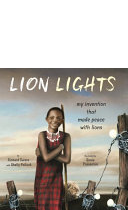
Richard Turere’s own story: Richard grew up in Kenya as a Maasai boy, herding his family’s cattle, which represented their wealth and livelihood. Richard’s challenge was to protect their cattle from the lions who prowled the night just outside the barrier of acacia branches that surrounded the farm’s boma, or stockade. Though not well-educated, 12-year-old Richard loved tinkering with electronics. Using salvaged components, spending $10, he surrounded the boma with blinking lights, and the system works; it keeps lions away. His invention, Lion Lights, is now used in Africa, Asia, and South America to protect farm animals from predators.
Featured in WOW Review Volume XVII, Issue 2.
It Wasn’t Me!
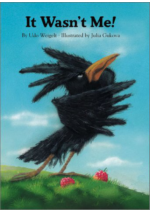
Mouse learns about the dangers of jumping to conclusions when he and Ferret prematurely accuse Raven of stealing Ferret’s raspberries.
Martina Has Too Many Tías
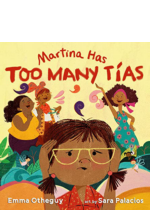
A retelling of the Caribbean folktale La cucaracha Martina where Martina, in an effort to escape her noisy tías, slips away to a warm familiar island where she can play in peace and quiet–but is she home at last?
Nacho’s Nachos: The Story Behind The World’s Favorite Snack
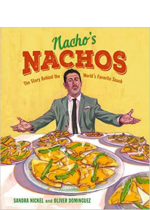
A Picture Book Biography Of Ignacio (nacho) Anaya, A Waiter At The Victory Club In Piedras Negras, Coahuila, Mexico, And The Events Surrounding The Creation, In 1940, Of The Globally-popular Tortilla Chip, Cheese, And Jalapeño Pepper Snack That Bears His Name — Nachos.
The Day Saida Arrived
Two girls forge a forever-friendship by learning each other’s language. The Day Saida Arrived demonstrates the power of language to build bonds beyond borders.
Featured in August 2023’s WOW Dozen on books about Language Learning and Communication.
Questions Asked
Follows a little boy traveling alone in an open landscape, asking questions about loss, love, friendship, language, magic, and what it means to be a human being.