Kou-Skelowh

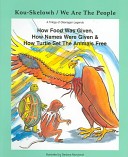
This is a Collection of original legends–How Food Was Given, How Names Were Given and How Turtle Set the Animals Free–with time-honored lessons for children about the values of sharing and respect presented in a beautiful full-color format. Told in a strong, rhythmic language, the stories read aloud well and can be used to help children think about the values of sharing, self-sacrifice and reverence for life in all forms. One of the most valuable aspects of the “Kou-Skelowh series is that it was developed with Aboriginal cultural protocol. In 1981 the Okanagan Elders Council was approached and asked if some traditional legends could be used in the project. When the Elders gave permission for three legends to be used they were translated into English. The English versions were then taken back to the Elders Council for examination and edited until they were approved for educational use by Okanagan Children. Theytus was granted permission to publish the stories on the condition that no individual claim ownership of the legends.

More Glooscap Stories: Legends of the Wabanaki Indians

Eighteen traditional tales of the Wabanaki tribe from the eastern woodland include “Glooscap, the Great Chief,” “The Year Summer Was Stolen, ” and “Tomik and the Magic Mat.”

Skeleton Woman

A fisherman accidentally hooks the skeleton of Annuk, a young Aleutian girl who had drowned, on his line, and the fisherman’s compassion for the girl brings her magically back to life, in an Aleutian folktale about the power of love and compassion.

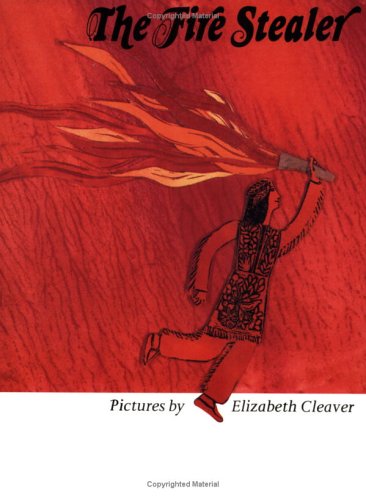
The Fire Stealer

This is the story of Nanabozho and how he brought fire to the Indians. Nanabozho transformed himself into a rabbit, tricked his way into a warrior’s wigwam and stole a torch of fire enabling his people to warm themselves in winter and cook their food. So that he would always be remembered for what he had done, Nananbozho worked his magic on the trees and every fall we still see the flaming colors of fire in their leaves.

Glooscap And His Magic

Short children’s stories about Glooscap, a mythical Wabanaki hero. In each of the short stories, Glooscap conducts some form of intervention. Often this occurs while in disguise so that the moral or ethical character of his ‘subject’ can be determined and either rewarded or punished.

How Glooskap Outwits The Ice Giants: And Other Tales Of The Maritime Indians

Six tales featuring the mythical giant who roamed the coast to New England and Canada, created the Indian peoples to keep him company, and fought battles to protect them ever after.

The Loon’s Necklace

According to Canadian Indian legend, when an old man’s sight was restored by a Loon he gave the bird his precious shell necklace as a reward. That is why the loon has a white collar and speckles on its back. Elizabeth Cleaver’s rich and beautiful style of picture-making gives new visual excitement to the splendors of the British Columbia landscape, and to the magic of this Indian legend.

The Enchanted Caribou

Three brave young hunters befriend a maiden who is then changed into a white caribou. Includes instructions for performing the story as a shadow play.

Berry Woman’s Children

berryAccording to Eskimo myth, Berry Woman was asked by Raven to look after the animals and birds. Superb woodcuts illustrate the Eskimo legends that Grandmother tells to her rapt audience, four children clinging to her “on the bedplace.”

How Summer Came To Canada

When the giant Winter came down from the North to live in eastern Canada the land became frozen and white. Glooskap, mythical lord and creator of the Micmac Indians, saves his people from endless cold when he brings a beautiful Queen to his country. Her name is Summer and she persuades Winter to relax his icy grip every Spring while she awakens the land from its deep sleep and bestows life on everything that grows.