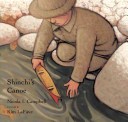
Forced to use only people’s English names and not speak to his siblings at school, Shin-chi holds fast to the canoe given to him by his father, hopeful that things will then improve for his family and the tribe he loves.

Forced to use only people’s English names and not speak to his siblings at school, Shin-chi holds fast to the canoe given to him by his father, hopeful that things will then improve for his family and the tribe he loves.
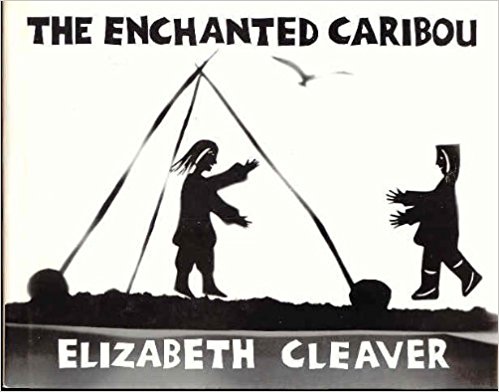 Three brave young hunters befriend a maiden who is then changed into a white caribou. Includes instructions for performing the story as a shadow play.
 As Native elders have advised from time immemorial, this is a gentle plea to respect the natural environment.
When the award-winning poet David Bouchard first saw the artwork of First Nations artist Roy Henry Vickers, he was struck by Vickers’ reverence for nature, the vibrancy of his colors, and his perceptive understanding of Canada’s rugged West Coast. He saw in Vickers’ images the perfect complement to his own lyrical, thoughtful poetry. They collaborated on the original edition of The Elders Are Watching, which has delighted more than 100,000 readers in four languages. Bouchard says, “Both Roy and I share similar dreams for our children. Through this book, we hope that others will come to share these dreams and together work toward correcting some of the mistakes of the past.”
In this new edition, their vision is as fresh and relevant today as it was when the book was first published. A plea to respect the natural treasures of our environment and a message of concern from aboriginal leaders of the past to the people of the new millennium, The Elder Are Watching has both a timelessness and an urgency that must be heard.
 Alaska Geographic presents the people, places, and wonders of Alaska to the world. Over the past 30 years, Alaska Geographic has earned its reputation as the publication for those who love Alaska.
Weaving history, art and literature, these stories follow a young Inupiat Eskimo boy through a year of his life at the turn of the last century.
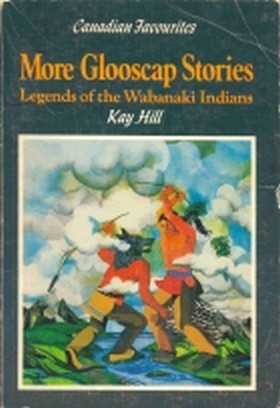 Eighteen traditional tales of the Wabanaki tribe from the eastern woodland include “Glooscap, the Great Chief,” “The Year Summer Was Stolen, ” and “Tomik and the Magic Mat.”
 According to Eskimo myth, Berry Woman was asked by Raven to look after the animals and birds. Superb woodcuts illustrate the Eskimo legends that Grandmother tells to her rapt audience, four children clinging to her “on the bedplace.”
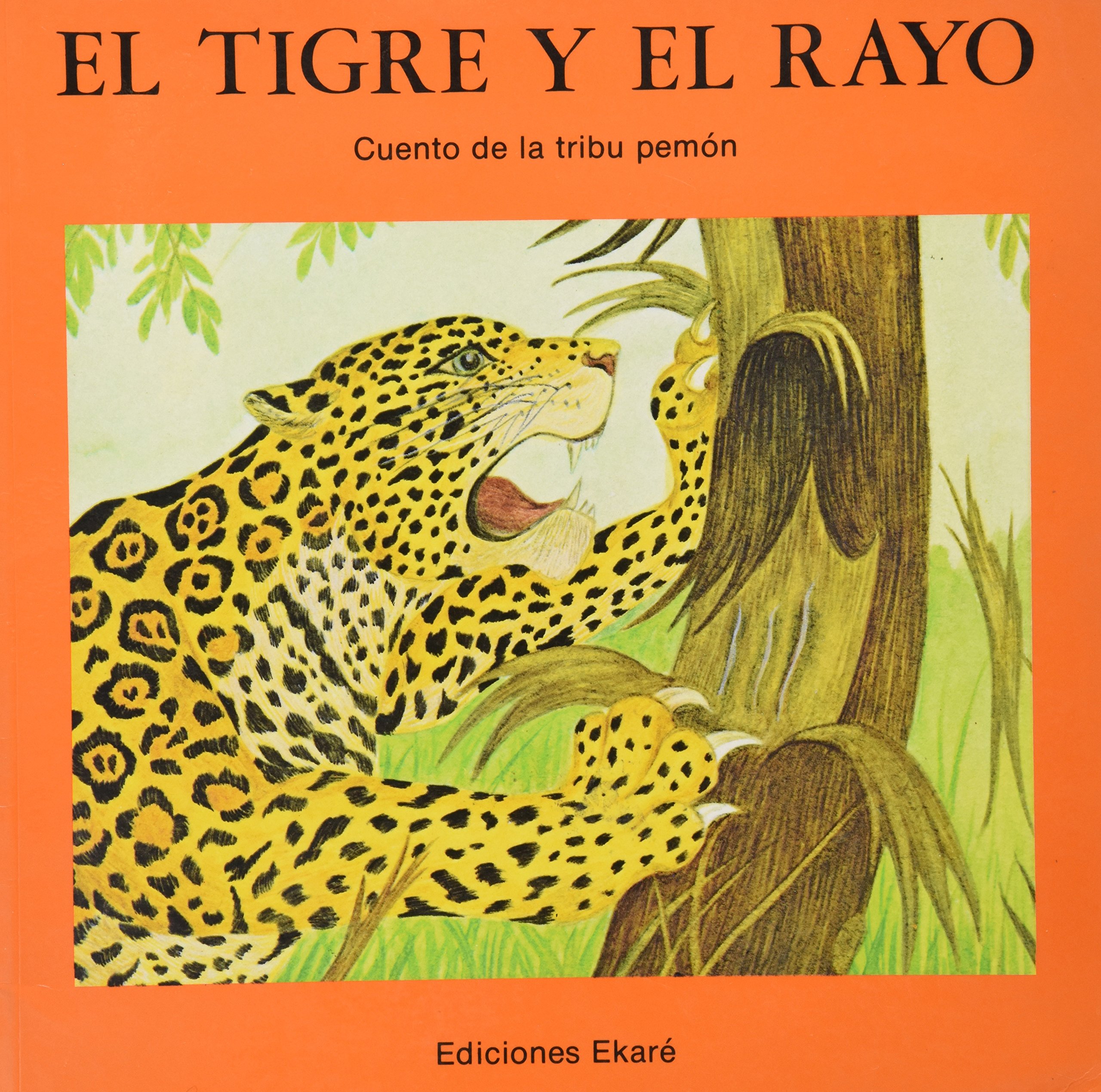 A folktale about a boasting jaguar who is humbled by lightning.
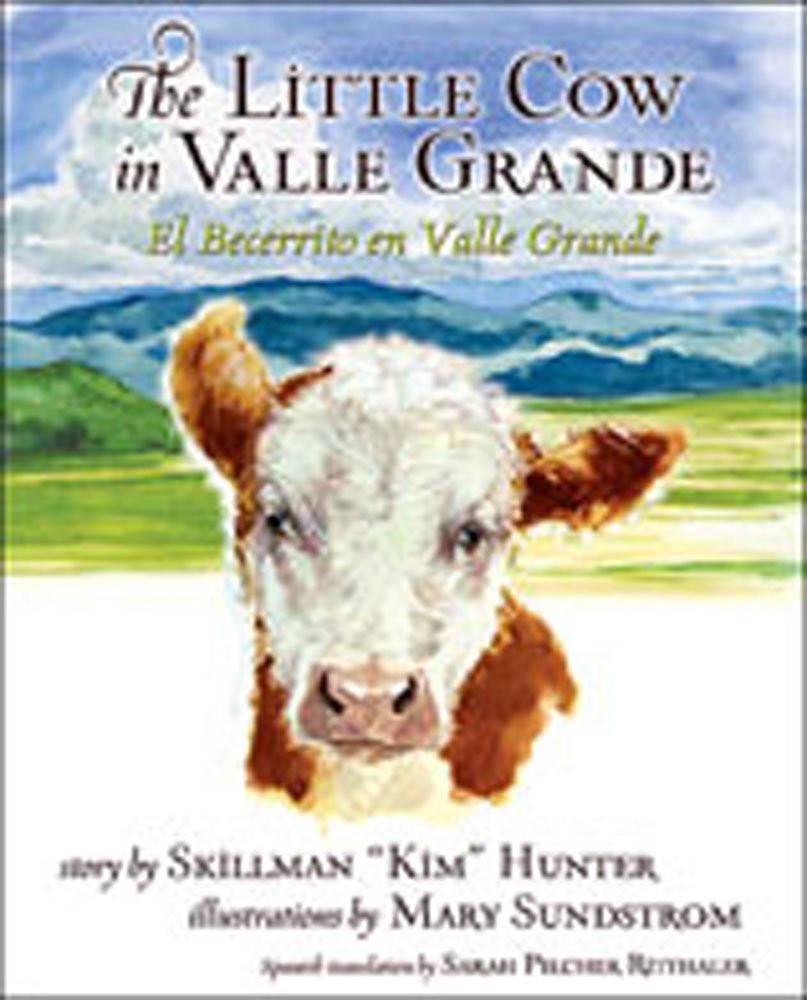 Buddie and his mother live in a beautiful valley surrounded by high mountains. One day, Buddie is feeling adventurous and announces he will climb to the top of the mountain. Although his mother warns against it, Buddie begins climbing up the mountainside. Discovering his mother was right, Buddie tries his hand at skiing to return to the valley and his mother.
Valle Grande is now part of Valles Caldera National Preserve in New Mexico’s Jemez Mountain Range. The little cow, his mother, and all their friends are still there at various times of the year. There is a visitor center at the Preserve that offers information about the cows.
 Examines the history, traditional lifestyle, and current situation of the Apache Indians.