
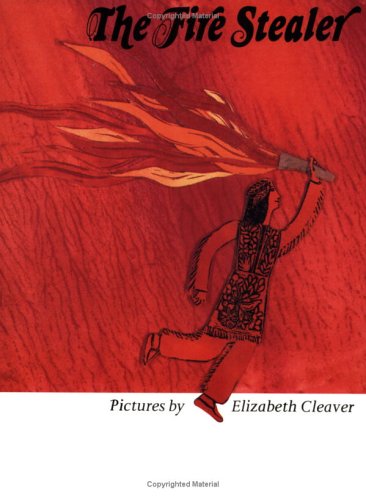
 This is the story of Nanabozho and how he brought fire to the Indians. Nanabozho transformed himself into a rabbit, tricked his way into a warrior’s wigwam and stole a torch of fire enabling his people to warm themselves in winter and cook their food. So that he would always be remembered for what he had done, Nananbozho worked his magic on the trees and every fall we still see the flaming colors of fire in their leaves.
Americas
Materials from the Americas
Arctic Hunter
A ten-year-old Eskimo (Inupiat) boy who lives far north of the Arctic Circle describes his family’s annual spring trip to their camp, where they hunt and fish for food to supplement their diet for the rest of the year and enjoy old traditions.
The Elders Are Watching
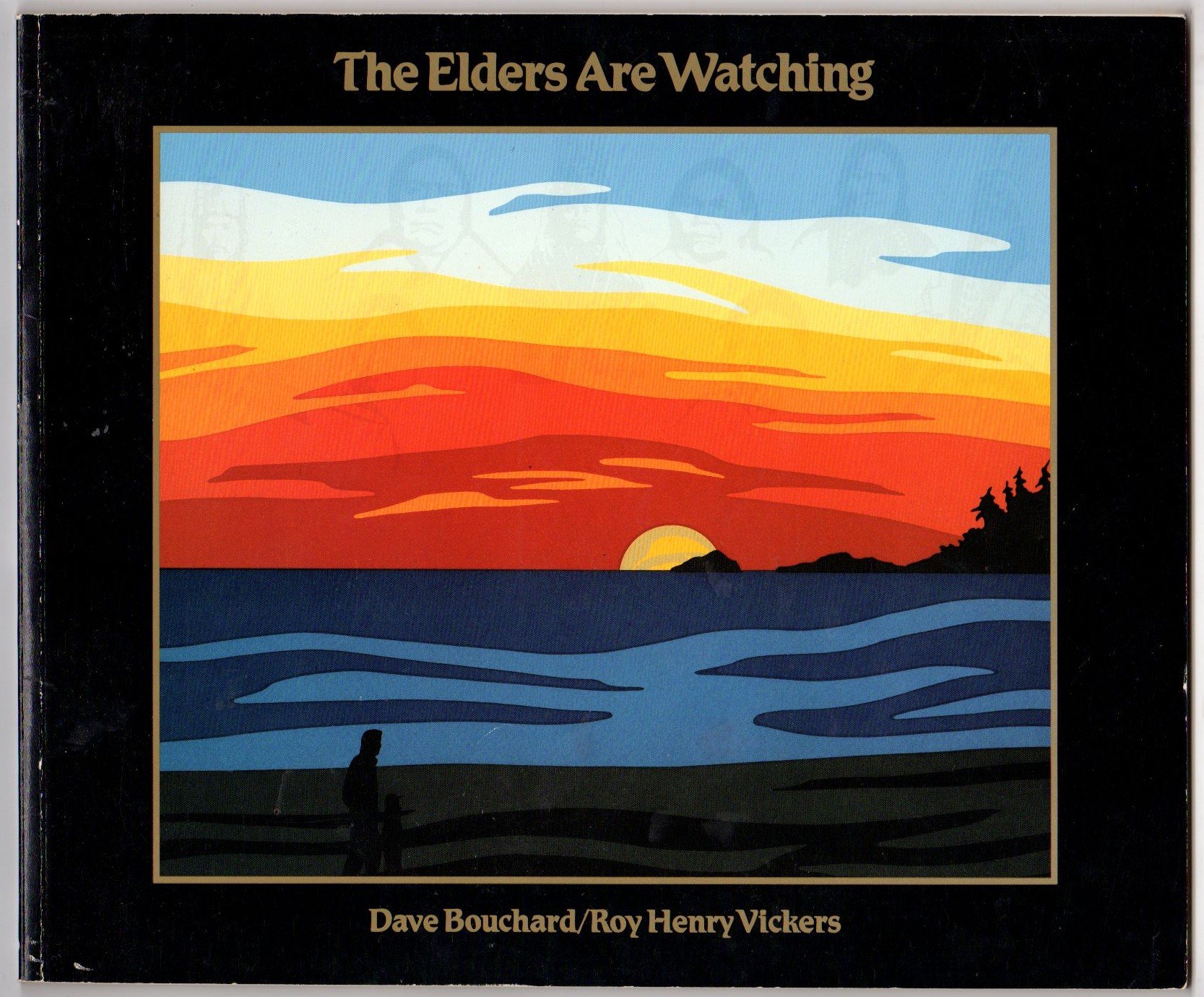 As Native elders have advised from time immemorial, this is a gentle plea to respect the natural environment.
When the award-winning poet David Bouchard first saw the artwork of First Nations artist Roy Henry Vickers, he was struck by Vickers’ reverence for nature, the vibrancy of his colors, and his perceptive understanding of Canada’s rugged West Coast. He saw in Vickers’ images the perfect complement to his own lyrical, thoughtful poetry. They collaborated on the original edition of The Elders Are Watching, which has delighted more than 100,000 readers in four languages. Bouchard says, “Both Roy and I share similar dreams for our children. Through this book, we hope that others will come to share these dreams and together work toward correcting some of the mistakes of the past.”
In this new edition, their vision is as fresh and relevant today as it was when the book was first published. A plea to respect the natural treasures of our environment and a message of concern from aboriginal leaders of the past to the people of the new millennium, The Elder Are Watching has both a timelessness and an urgency that must be heard.
In A Different Light
A study of the contemporary Yupik culture in an Alaskan village as seen through the eyes of a typical family.
Skeleton Woman
A fisherman accidentally hooks the skeleton of Annuk, a young Aleutian girl who had drowned, on his line, and the fisherman’s compassion for the girl brings her magically back to life, in an Aleutian folktale about the power of love and compassion.
Blessing’s Bead

Nutaaq and her older sister, Aaluk, are on a great journey, sailing from a small island off the coast of Alaska to the annual trade fair. There, a handsome young Siberian wearing a string of cobalt blue beads watches Aaluk “the way a wolf watches a caribou, never resting.” Soon his actions—and other events more horrible than Nutaaq could ever imagine—threaten to shatter her I~nupiaq world. Seventy years later, Nutaaq’s greatgranddaughter, Blessing, is on her own journey, running from the wreckage of her life in Anchorage to live in a remote Arctic village with a grandmother she barely remembers. In her new home, unfriendly girls whisper in a language she can’t understand, and Blessing feels like an outsider among her own people. Until she finds a cobalt blue bead—Nutaaq’s bead—in her grandmother’s sewing tin. The events this discovery triggers reveal the power of family and heritage to heal, despite seemingly insurmountable odds. Two distinct teenage voices pull readers into the native world of northern Alaska in this beautifully crafted and compelling debut novel.
Arctic Hunters: Indians And Inuit Of Northern Canada
 Discusses what it is like to live in the Arctic, and describes the Inuit and their history and culture.
How Summer Came To Canada
When the giant Winter came down from the North to live in eastern Canada the land became frozen and white. Glooskap, mythical lord and creator of the Micmac Indians, saves his people from endless cold when he brings a beautiful Queen to his country. Her name is Summer and she persuades Winter to relax his icy grip every Spring while she awakens the land from its deep sleep and bestows life on everything that grows.
Tiktala
When the spirit guide changes her into a seal, Tiktala learns the ways of seals and how harmful humans can be.
Children of the Yukon
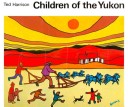
Brilliant, colorful paintings depict children of the Yukon at work and play: snaring rabbits, feeding ravens, racing on snowshoes and hunting moose, panning for gold in famous Bonanza Creek, and exploring the ruins of Dawson City.