
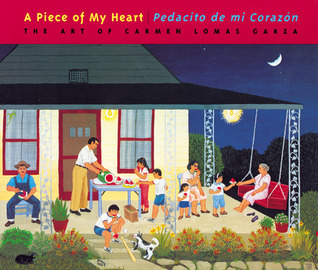
 The thirty-seven works of art, twenty-four in full color, presented in A Piece of My Heart take us into the heart of one of the most distinguished painters of Chicano life. In a career that spans twenty years, Carmen Lomas Garza has depicted the cherished traditions and harsh struggles of Chicano culture. From Grandparents Cutting Cactus to Felino’s Breakdancers, Lomas Garza’s bright, colorful images capture the beauty and texture of daily life among families, friends, and neighbors in southern Texas.
United States
Materials from United States of America
Alicia’s Treasure
Alicia’s Treasure is the delightful tale of a young girl’s magical, fun-filled journey of discovery to the sea shore.
Benito’s Bizcochitos: Los Bizconchitos De Benito
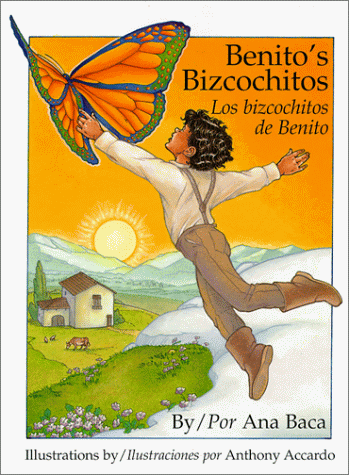 This bilingual fairy tale for children ages 4 to 8 relates the story of Benito, who runs away from home only to learn that the rest of the world isn’t nearly as friendly as his family’s farm.
Call Me Consuelo
Intrigue and danger weave a web around young Consuelo as she is thrust into a new life in unfamiliar surroundings and a real life mystery that begs to be resolved.
Case Of The Pen Gone Missing: A Mickey Rangel Mystery / El Caso De La Pluma Perdida: Coleccion Mickey Rangel, Detective Privado

When Toots Rodriguez approaches Mickey on the playground, he knows something is up. Toots, the prettiest girl in the fifth grade, never talks to Mickey, not even when they’re assigned to work together on a class project. But Toots has come to Mickey because she’s in trouble, and he’s a detective. The real deal. He has a badge and a certificate after completing an online course two years ago. ”You have to believe me, Mickey. I didn’t take that pen. I didn’t.” When Toots shines her big green eyes on him and insists repeatedly that she’s innocent, Mickey’s intuition tells him to run fast in the opposite direction. But he’s a sucker for a pretty girl, so he takes on the case of the missing pen. Rumor has it that Toots stole Eddy’s pen. It’s not just any old pen; it’s his dad’s pen. It has the White House logo on it. Eddy’s father, a senator from South Texas, got the pen from the President of the United States when he visited the White House last year. As Mickey begins his investigation, though, all the clues point to Toots and her newly ex-boyfriend as the primary suspects. The first book in The Mickey Rangel Mystery series for intermediate readers, author and educator Rene Saldana, Jr. has crafted another appealing book for kids, and his wise-cracking, smart protagonist will appeal to even the most reluctant readers.
Cheech The School Bus Driver
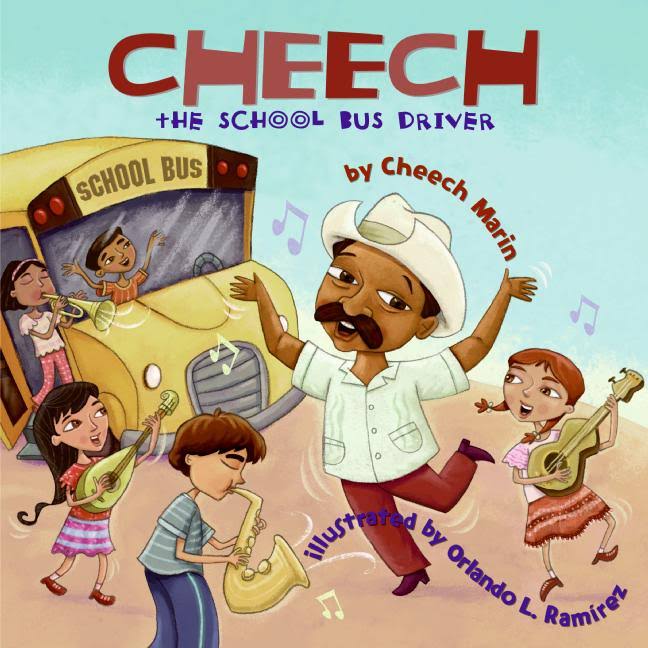 Why can’t all bus drivers be as cool as Cheech? When the kids on the school bus decide to enter the Battle of the Bands, no one is more excited than Cheech. On the big day, they all pile into the bus and get ready to groove! But when they arrive, they find they’re the only mariachi band in the whole contest—and the rock and roll bands look awesome! In this zany story by beloved performer Cheech Marin, the band tries every trick in the book to make their act mea-sure up—with hilarious results! How will mariachi ever compete against rock and roll?
Crazy Weekend
 Hector and Mando, two Chicano seventh graders from East Los Angeles, visit Hector’s uncle in the less-than-exciting town of Fresno and find plenty of excitement, laughs, and thrills after they witness a robbery and are chased by the dim-witted criminals.
Isabel’s Texas Two-Step (Beacon Street Girls)

Isabel’s sister Elena Maria is turning fifteen, and the Martinez family is planning her quinceañera — at Uncle Hector’s ranch in San Antonio!
My Mother and I Are Growing Strong
A five-year-old describes the way her mother is working and coping with problems while her father is in prison.
Pepita on Pepper Street/ Pepita En La Calle Pepper
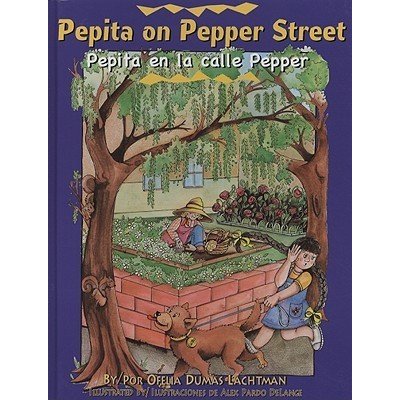 Pepita is almost always happy. But she isn’t today because everything is different on her new street. There’s no familiar grocery store on the corner, and no tortilla shop squeezed right next to it. Rosa’s house isn’t down the street, and worst of all, her best friend Sonya no longer lives right next door. Pepita is definitely not happy about her move to Pepper Street. But her dog Lobo doesn’t mind the new neighborhood, and in fact, he likes the new smells he encounters as Pepita walks him up and down the street. He even wags his tail at the new people they meet: Mrs. Green, who wears a straw hat while weeding her rose garden; Mrs. Becker, who paints the pepper trees, and her dog, Blackie; and Jose, the mailman, who hopes Lobo won’t bite him. Soon, Pepita realizes that her father’s suggestion, “the best way to stop feeling new is to get to know people” is good advice. And when a girl with bright red hair named Katie Ann comes by to visit, Pepita learns that making new friends isn’t so hard after all.