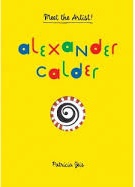
A sense of playfulness animates all of Calder’s work, from his signature hanging mobiles to his endlessly creative toys, drawings, and jewelry. Alexander Calder: Meet the Artist! is a hands on introduction to this American sculptor.

Material appropriate for intermediate age groups
A sense of playfulness animates all of Calder’s work, from his signature hanging mobiles to his endlessly creative toys, drawings, and jewelry. Alexander Calder: Meet the Artist! is a hands on introduction to this American sculptor.
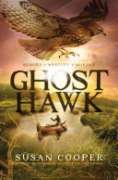
At the end of a winter-long journey into manhood, Little Hawk returns to find his village decimated by a white man’s plague and soon, despite a fresh start, Little Hawk dies violently but his spirit remains trapped, seeing how his world changes.
See the review at WOW Review, Volume VI, Issue 3.
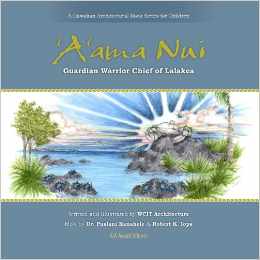
‘A’ama Nui is the first book in a new architectural book series for children published by Mo’o Studios. ‘A’ama Nui is the tale of a legendary crab who protects the ponds of Lalakea. However, there is more to this tale…alongside the story of ‘A’ama Nui, the book’s author (WCIT Architecture) describes how the tale inspires the architectural design of an actual home – one that will reside along the shores of Lalakea, watching over it, like the legend of ‘A’ama Nui.
See the review at WOW Review, Volume VI, Issue 3
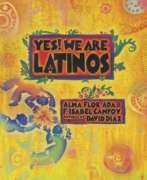
A collection of stories about young Latino’s immigrant experiences in the United States.
See the review at WOW Review, Volume VI, Issue 3
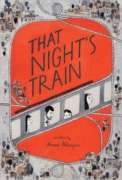
A young motherless girl becomes friends with a teacher/writer who weaves the story of their friendship into her novel. A moving book about promises and the nature of stories.
See the review at WOW Review, Volume VI, Issue 3
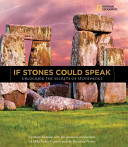
Explores the mysterious monument of Stonehenge and reveals some of its secrets and history.
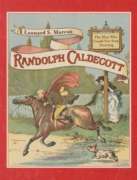
Leonard S Marcus, a distinguished historian of children’s literature, presents a short biography of Randolph Caldecott (1846-1886), illustrated with a great collection of his work, including many previously unpublished drawings. From doodling in the margins of his schoolbooks to his tragically early death, the book traces the career of the ‘man who invented the modern picture book’ and whose dynamic visual storytelling was to influence later illustrators, notably Beatrix Potter and Maurice Sendak.
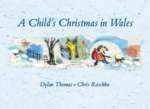
The Welsh poet Dylan Thomas recalls the celebration of Christmas with his family and the feelings it evoked in him as a child. Dylan Thomas’s prose poem is illustrated by Caldecott Honor artist Chris Raschka.
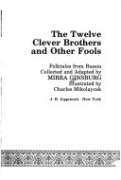
Fourteen traditional folktales from the different peoples of Russia featuring both clever and silly fools.
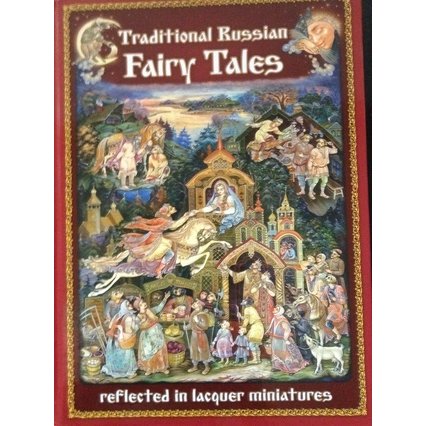 Traditional Russian Fairy Tales Reflected In The Laquer Miniatures Of Palekh, Fedoskin And Kholui.