
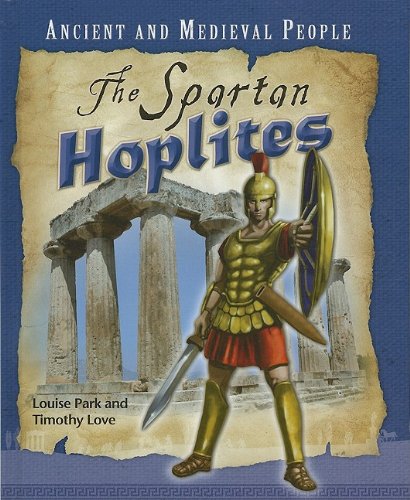
 “An introduction to the history and lifestyle of Spartan hoplites”–Provided by publisher
Age
Catalog sorted by age group
Piglet and Granny
From the writer and illustrator of the popular books Piglet and Mama and Piglet and Papa comes the latest installment about Piglet and her special granny. Piglet loves her granny. She’s been waiting all day for her to visit. Why hasn’t she come? Cow, Horse, Duck, and Sheep all think she’ll be here soon—but what is taking her so long? In this heartwarming barnyard tale, Piglet’s story will resonate with any child who has ever had to wait for someone they love.
The Ask And The Answer: Chaos Walking: Book Two
Part two of the literary sci-fi thriller follows a boy and a girl who are caught in a warring town where thoughts can be heard — and secrets are never safe.Reaching the end of their tense and desperate flight in THE KNIFE OF NEVER LETTING GO, Todd and Viola did not find healing and hope in Haven. They found instead their worst enemy, Mayor Prentiss, waiting to welcome them to New Prentisstown. There they are forced into separate lives: Todd to prison, and Viola to a house of healing where her wounds are treated. Soon Viola is swept into the ruthless activities of the Answer, aimed at overthrowing the tyrannical government. Todd, meanwhile, faces impossible choices when forced to join the mayor’s oppressive new regime. In alternating narratives — Todd’s gritty and volatile; Viola’s calmer but equally stubborn — the two struggle to reconcile their own dubious actions with their deepest beliefs. Torn by confusion and compromise, suspicion and betrayal, can their trust in each other possibly survive?
Miss Lady Bird’s Wildflowers: How a First Lady Changed America
Bluebonnets and lady’s slippers, larkspurs and blazing stars, black-eyed Susans and Granny’s nightcaps. From a lonely childhood in the Piney Woods of East Texas to an exciting life in the White House, Lady Bird Johnson loved these wildflowers with all her heart. They were her companions in her youth, greeting her everywhere as she explored wild forests, bayous, and hills. Later, as First Lady, she sought to bring the beauty of wildflowers to America’s cities and highways. She wanted to make sure every child could enjoy the splendor of wildflowers. In this warm, engaging look at the life of a great First Lady, Kathi Appelt tells the story behind Lady Bird Johnson’s environmental vision. Joy Fisher Hein’s colorful wildflowers burst from every page, inviting us to share in Lady Bird’s love for natural beauty.
The Medieval Knights (Ancient And Medieval People)
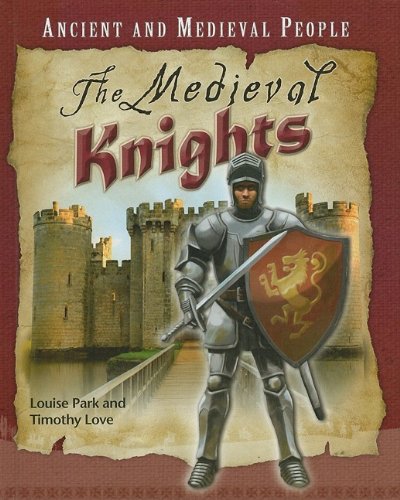 “An introduction to the history and lifestyle of medieval knights”–Provided by publisher
The King Who Barked: Real Animals Who Ruled
Could an animal really hold an important office? It’s happened: Incitatus the horse was made a consul in the Roman Empire. He had a marble stable, eighteen servants, and ate oats mixed with flakes of gold. Then there was Saur, a dog declared king during the days of the Vikings, who signed decrees with his paw. And one can’t forget Pigasus, nominated as presidential candidate by a group of Vietnam War protestors, or Clay Henry the goat and his descendants, who became mayors of a small Texas town. The government truly has gone to the dogs–and to the cats, mules, and elephants too–as shown in this fascinating and engaging history.
Return to Groosham Grange: The Unholy Grail
 To save Groosham Grange, the strange boarding school he attends where ghosts and ghouls rule the academy and students study witchcraft, David Eliot must win the Unholy Grail, a magical cup awarded to the star pupil.
Raf
Ben and his cuddly friend, Raf, are inseparable. Then one day, Raf disappears. Ben looks everywhere, but Raf is not to be found. Ben is too sad to go outside and play in the snow, until a postcard clatters into the mailbox. Postcard follows postcard as Raf journey through Africa. He meets tall pink flamingos, long-trunked elephants, vine-swing monkeys, and giraffes.
The Pharoah’s Armies (Ancient And Medieval People)
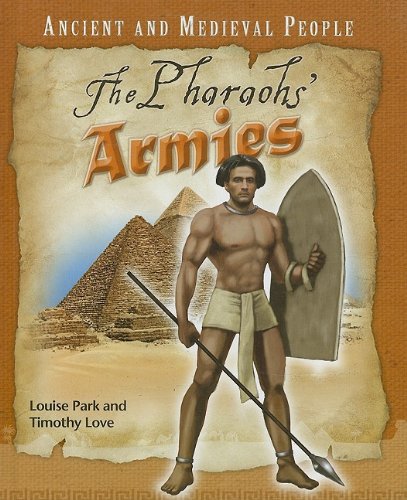 “An introduction to the history and lifestyle of the Pharaohs’ armies”–Provided by publisher
Flags Of The World
 In this complete compendium of the world’s flags, each nation’s flag is paired with facts and tidbits of history. These flags provide a window into the histories, values, and cultures of countries around the world. Waving in the wind, a flag may not seem like a code. But hidden in the stripes, stars, suns, moons, and colors of the world’s flags are the keys to understanding different countries’ shared histories and cherished ideals. Flags do much more than identify countries and groups of people. In every color, pattern, and design, the citizens and governments of countries announce their allegiances and herald their history. If you know what to look for, a flag can reveal major insights into another country’s history and culture.