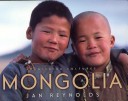
Two nomadic Mongolian children listen to stories of the past from their father and yearn for their own horses, creatures essential to their way of life.

Nonfiction genre
Two nomadic Mongolian children listen to stories of the past from their father and yearn for their own horses, creatures essential to their way of life.
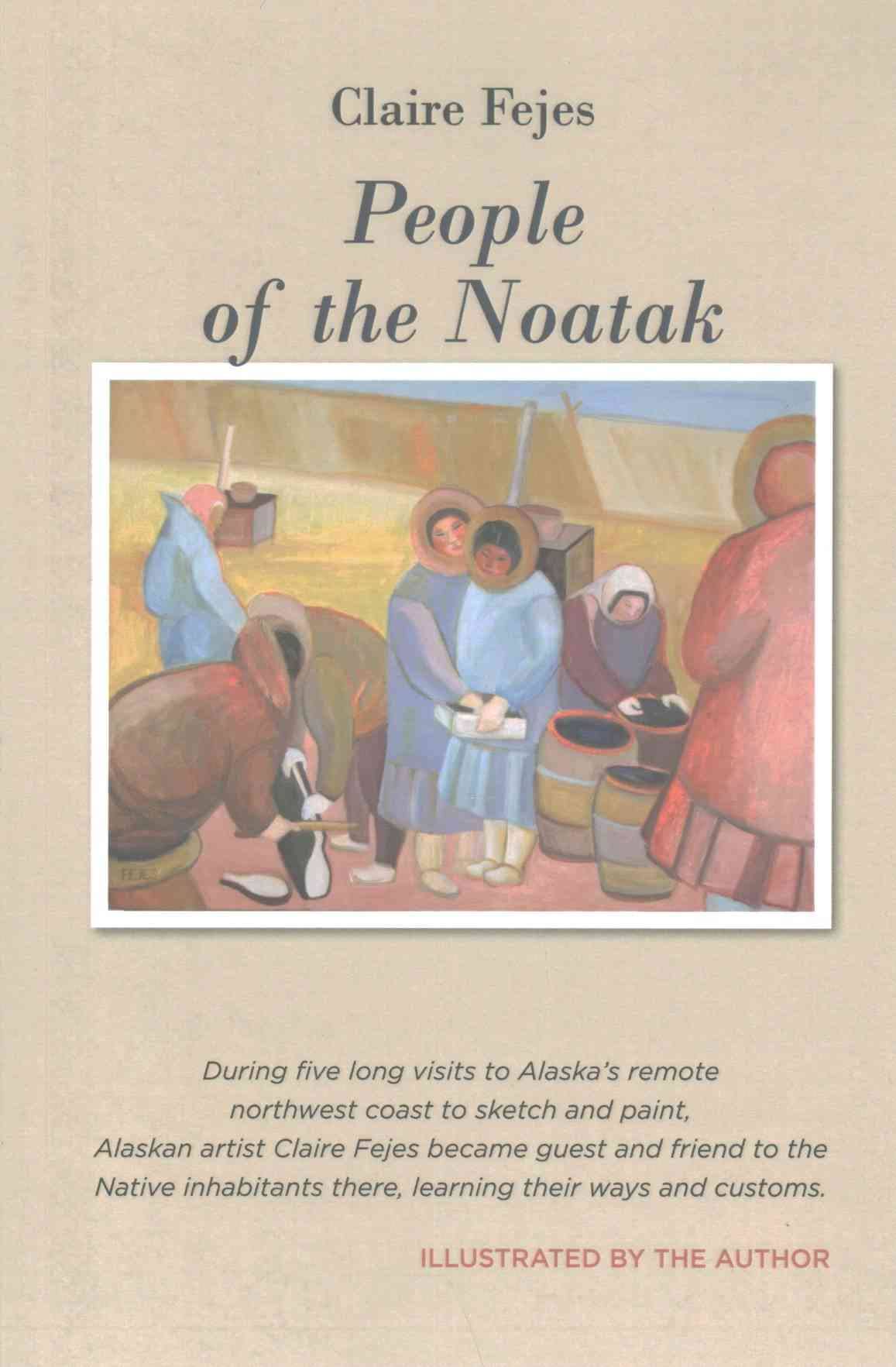 During five long visits to Alaska’s remote northwest coast to sketch and paint, the late Claire Fejes became guest and friend to the Native inhabitants there, learning their ways and customs. A personal narrative in text, drawings, and paintings, People of the Notatak concerns the people of two villages–Noatak, the summer settlement of a nomadic tribe that lives mainly in the wilderness interior, and Point Hope, whose economy centers around the hunting of the great bowhead whale.
Claire captures the life of the Native Inupiat in Northwest Alaska, before outside influences changed their lives. In a few simple strokes, her drawings evoke the heart and life of the Inupiat. Thanks in part to her habit of journal-keeping, Claire was able to record what she had witnessed in her years of travel and painting up the Yukon River into the Arctic Refuge.
A native New Yorker, Claire received her art training at the Newark Art Museum and taught art until moving to Alaska. She wrote with rare insight and understanding about the intimate daily lives of mothers and fathers and their children, of husbands and wives and in-laws in the villages in which she lived, an aspect of Eskimo life rarely treated in books.
Originally published in 1966, People of the Noatak is an excellent portrayal of the Inupiat people before modern changes, a glimpse into the Inupiat world when traditional values and roots were strong.
Describes the family life, games, hunting and fishing techniques, homes, clothing, beliefs, and means of travel of the Indians of the Northwest.
Provides comprehensive information on the background, lifestyle, beliefs, and present-day lives of the Inuit people.
Abenaki artists Gerard Tsonakwa and his wife Yolaikia Wapitaska, working in stone, bone and wood, bring the ancient legends of the Abenaki people into the industrial age through juxtaposition of the stories with their masks and sculptures. This volume, illustrated with many of the works that have toured more than thirty museums since 1992, evokes ancient connections embodied in the legends and lore of traditional peoples.
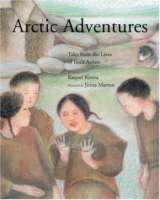
Extreme weather, hunger, magic, hunting, and the land are themes that shape the existence of the Inuits’ of the Far North. These stories — retold by Raquel Rivera based on the lives of native artists Pudlo Pudlat, Jessie Oonark, Kenojuak Ashevak and Lazarusie Ishulutuk — offer young readers a glimpse into this rich, remote culture, past and present. In “Pudlo and Kapik Go Hunting,” a young boy drifts out to sea on an ice floe; “Oonark\’s Arctic Adventure” tells of a mother and daughter stranded on the icy tundra; “The Shaman’s Granddaughter” movingly explores loss and mystery; and “Lazarusie and the Polar Bears” reveals just how finely attuned the relationship between animals and humans can be. Accompanying each story are illustrations by Jirina Marton, who has spent time in the Arctic and whose deep appreciation for its subtle beauty shines through her art. In addition to the stories, there is a feature spread on each artist with a photograph, a brief biography, and a reproduction of one of the artist’s works.
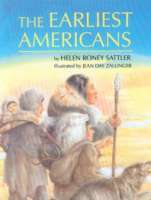
Presents the scientific evidence for the origins of the earliest people in the Americas and describes the accomplishments of their culturally diverse descendants prior to the arrival of Europeans in 1492.
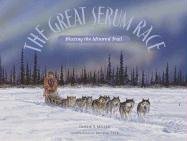 Ride shotgun with the heroic mushers whose bravery inspired the Iditarod. In the winter of 1925, Nome, Alaska, was hit by an unexpected and deadly outbreak of diphtheria. Officials immediately quarantined the town, but the only cure for the community of more than 1,400 people was antitoxin serum and the nearest supply was in Anchorage—hundreds of miles of snowbound wilderness away. The only way to get it to Nome was by dogsled. Twenty teams braved subzero temperatures and blizzard conditions to run over 600 miles in six days in a desperate relay race that saved the people of Nome. Several of the dogs, including Togo and Balto, became national heroes. Today their efforts, and those of the courageous mushers, are commemorated every March by the Iditarod Trail Sled Dog Race. Jon Van Zyle’s stunning oil paintings capture the brutal conditions, pristine wilderness, and sheer guts and determination demonstrated by the heroic mushers and dogs.
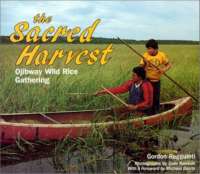
Glen Jackson, Jr., an eleven-year-old Ojibway Indian in northern Minnesota, goes with his father to harvest wild rice, the sacred food of his people.
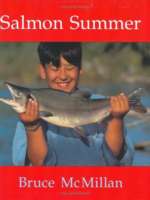
A photo essay describing a young native Alaskan boy fishing for salmon on Kodiak Island as his ancestors have done for generations.