
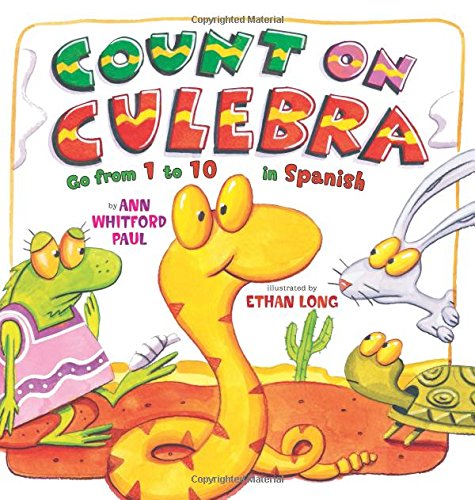
 A companion to the popular Manana, Iguana that teaches how to count in spanish. When Iguana stubs her toe, Doctor Culebra comes to the rescue. But his suggestions sound a little loco to everyone else. How will tying un rolling pin and dos kettles to Iguana’s tail make her better? And more importantly, will Iguana feel well enough to make her cactus butter dulces? The extremely popular “Manana, Iguana” has sold and reprinted quickly, and Ann Whitford Paul and Ethan Long’s previous titles have received much praise.
United States
Materials from United States of America
Downtown Boy (Tomas Rivera Mexican-American Children’s Book Award (Awards))
Juanito Paloma, his mother Lucha, and his elderly father Felipe, are a tiny family who, after years of working in the fields of California’s Central Valley, move to San Francisco’s Latin Mission District to live with relatives. Juanito longs to be in one place, rather than “going, going, going,” and pines for the love of his often-absent father. This family story of growing up Latino will resonate with readers of all backgrounds.
Fearless Fernie: Hanging Out With Fernie and Me
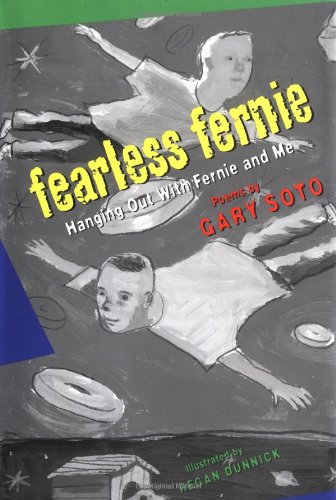 For Fernie and his best friend, the fun begins when they are babies who crawl across the lawn towards each other, away from their parents’ watchful eyes. And once they find each other, they are inseparable. Together, they grow to be the self-proclaimed artistic geniuses and master athletes of their school. But they do admit to being losers at spelling bees and camping out. And when it comes to romance, well, if waltzing with a broom in the kitchen or sporting glowing orange socks to a school dance counts, these guys are cool. Gary Soto’s original poems and Regan Dunnick’s clever illustrations will spark recognition in all middle-schoolers who’ve gone through the humiliation of sports try-outs and first dances; who’ve had to deal with body images and swinging moods. Each of the poems in this book shows a scene from their sometimes difficult, sometimes comical lives growing up together as best friends. Even though they don’t have everything in common, they both know that at least they’re in it together.
First Person Fiction: Call Me Maria (First Person Fiction)
Maria is a girl caught between two worlds: Puerto Rico, where she was born, and New York, where she now lives in a basement apartment in the barrio. While her mother remains on the island, Maria lives with her father, the super of their building. As she struggles to lose her island accent, Maria does her best to find her place within the unfamiliar culture of the barrio. Finally, with the Spanglish of the barrio people ringing in her ears, she finds the poet within herself. In lush prose and spare, evocative poetry, Cofer weaves a powerful novel, bursting with life and hope.
Gorrion Del Metro (Spanish Edition)
 Although the passengers of the D train speak different languages, they work together to rescue a frightened bird.
Rattling Chains and Other Stories for Children / Ruido De Cadenas Y Otros Cuentos Para Ninos
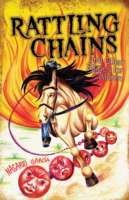
A collection of scary stories based on the lore of New Mexico, in English and in Spanish.
Selena Perez: Queen of Tejano Music (Great Hispanics of Our Time)
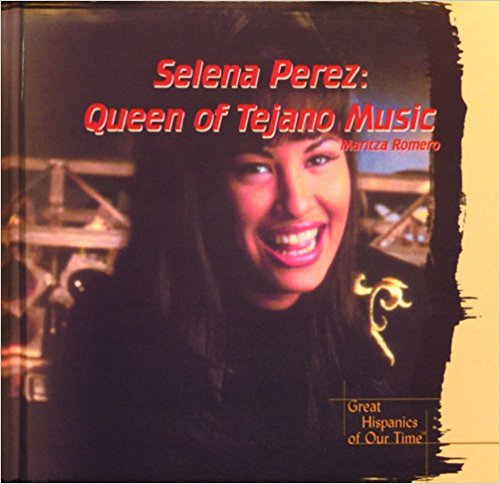 Details the life and tragic death of the popular young Tejano singer.
We Won’t Back Down: Severita Lara’s Rise From Student Leader To Mayor (Hispanic Civil Rights)
An enlightening biography for young adults of a little-known female activist in the Hispanic Civil Rights Movement On December 9, 1969, change was in the air. The small town of Crystal City, Texas would never be the same. After weeks of petitioning for a hearing with the Crystal City school board, students of Crystal City High and their parents descended on the superintendent’s office. The students had been threatened with suspension and even physical violence. Powerful members of the community had insisted they would fire the parents of students if they went in front of the school board, and still, they came. Finally, the school board removed the chairs in the gallery, and the parents and students stood until members of the school board fled to avoid the confrontation. As the students and their parents stood in front of the building, a cry rose from the crowd. “Walk out. Walk out.” So began the Crystal City High student walk out. At the center of the fervor was Severita Lara. Called la cabezuda, or stubborn girl, by her mother, Lara bore the mark of a leader from an early age. She was not afraid to stand up to anyone: girls or boys, teachers or superintendents. She always followed her father’s advice, “If you know it’s right, do it.” José Angel Gutiérrez, the famous civil rights leader, chronicle’s Lara’s ascent from a willful child to the mayor of Crystal City. From her father’s doting support to her mother’s steel-rod discipline, Gutiérrez offers a detailed portrait of the early family life of the woman whose continuing struggle against segregation and discrimination began while she was still a high school student in Crystal City. He also follows her attempts as a single mother to achieve her dream of being a doctor and providing for her sons. This is the story of la cabezuda, Severita Lara, who has made an indelible imprint on American history.
The Jumping Tree
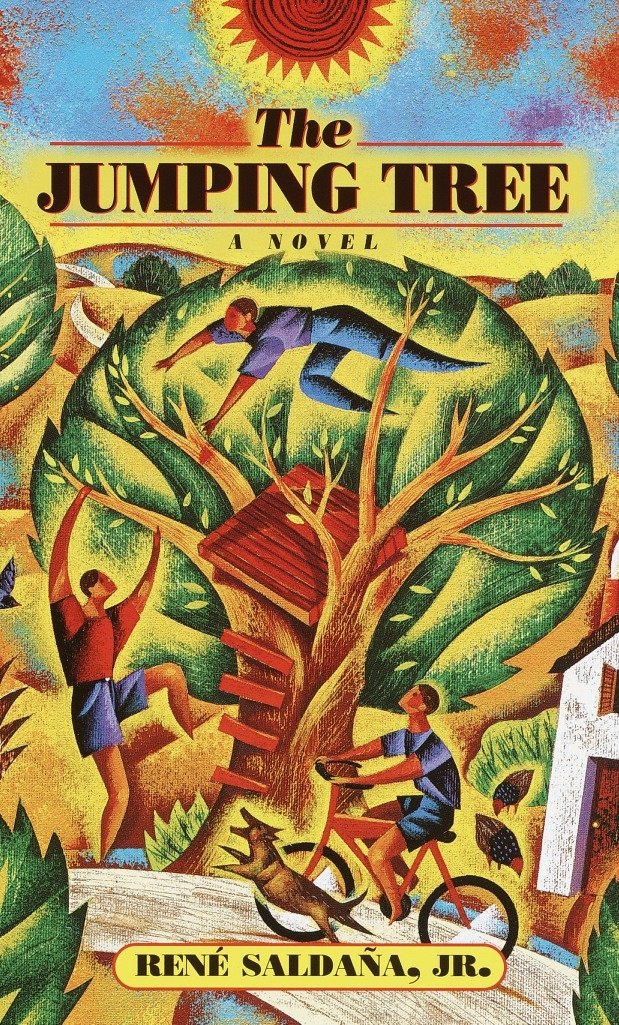 These lively stories follow Rey Castaneda from sixth through eighth grade in Nuevo Penitas, Texas. One side of Rey’s family lives nearby in Mexico, the other half in Texas, and Rey fits in on both sides of the border. In Nuevo Penitas, he enjoys fooling around with his pals in the barrio; at school, he’s one of the “A list” kids. As Rey begins to cross the border from childhood into manhood, he turns from jokes and games to sense the meaning of work, love, poverty, and grief, and what it means to be a proud Chicano-moments that sometimes propel him to show feelings un hombre should never express. It’s a new territory where Rey longs to follow the example his hardworking, loving father has set for him. From the Hardcover edition.
The Making Of A Civil Rights Leader (Hispanic Civil Rights)
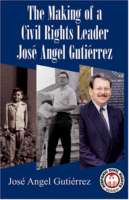
Born in 1944, José Angel Gutiérrez grew up in a time when Mexicans and Mexican Americans in Texas and the Southwest attended separate schools and avoided public facilities and restaurants that were designated “Whites Only.” Despite the limits of segregation and rural culture in Texas, the passion to learn and to educate others, as well as to undo injustice, burned in his belly from an early age. Gutiérrez offers portraits of his early influences, from his father’s own pursuit of knowledge and political involvement, to his Mexican pre-school teacher’s dedication to bilingual-bicultural education which did not exist in public schools at that time, and to his mother’s courage and persistence, taking up migrant field work to provide for her family after the death of young Gutiérrez’s father. In this intensely narrated memoir, Gutiérrez details his rise from being beaten down by racist political and agricultural interests in South Texas to his leadership role in the Chicano civil rights movement of the 1960s and 1970s. Complemented by photos from his personal archives, Gutiérrez recalls his struggle for education, his early baptism in grass-roots political organizing, and his success in creating one of history’s most successful third party movements, La Raza Unida Party. Along the way, Gutiérrez earned college and law degrees, as well as a Ph. D. in Political Science. He was elected or appointed to school boards, commissions, judgeships and party chairmanships, all with the single-minded purpose of extending equality to Mexican Americans and other minorities in the United States. Through his tireless efforts, he crossed paths with African American and Native American civil rights leaders, Mexican presidents, and other international figures.