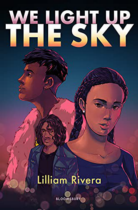
Pedro, Luna, and Rafa may attend Fairfax High School together in Los Angeles, but they run in separate spheres. Pedro is often told that he’s “too much” and seeks refuge from his home life in a local drag bar. Luna is pretending to go along with the popular crowd but is still grieving the unexpected passing of her beloved cousin Tasha. Then there’s Rafa, the quiet new kid who is hiding the fact that his family is homeless.
But Pedro, Luna, and Rafa find themselves thrown together when an extraterrestrial visitor lands in their city and takes the form of Luna’s cousin Tasha. As the Visitor causes destruction wherever it goes, the three teens struggle to survive and warn others of what’s coming–because this Visitor is only the first of many. But who is their true enemy–this alien, or their fellow humans?
United States
Materials from United States of America
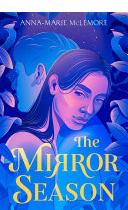
The Mirror Season
After Ciela and Lock are sexually assaulted at the same party, they develop a cautious friendship through her family’s possibly-magical pasteleria and his secret forest of otherworldly trees.
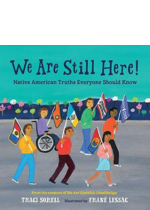
We Are Still Here!: Native American Truths Everyone Should Know
Twelve Native American kids present historical and contemporary laws, policies, struggles, and victories in Native life, each with a powerful refrain: We are still here!
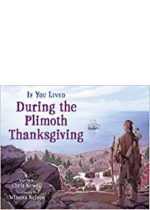
If You Lived During The Plimoth Thanksgiving
What if you lived in a different time and place? What would you wear? What would you eat? How would your daily life be different?
Scholastic’s If You Lived… series answers all of kids’ most important questions about events in American history. With a question and answer format, kid-friendly artwork, and engaging information, this series is the perfect partner for the classroom and for history-loving readers.
What if you lived when the English colonists and the Wampanoag people shared a feast at Plimoth? What would you have worn? What would you have eaten? What was the true story of the feast that we now know as the first Thanksgiving and how did it become a national holiday?
Chris Newell answers all these questions and more in this comprehensive dive into the feast at Plimoth and the history leading up to it. Carefully crafted to explore both sides of this historical event, this book is a great choice for Thanksgiving units, and for teaching children about this popular holiday.
Bluebird
In 1946 Eva arrives in New York City, from the rubble of Berlin, supposedly looking for a new life, but actually seeking justice against the Nazis that “escaped” with the help of the CIA; one in particular, the doctor who knows who Eva really is, because her identity is the product Project Bluebird, an experiment of the concentration camps involving brainwashing and mind control, which both the Americans and the Soviets would like access to–and Eva does not know if she can trust anyone she meets, least of all Jake Katz, the young man she is attracted to.
Reservations Required
Seventeen-year-old Lucy Sanchez’s world is turned upside down when her grandmother dies. Nana was instrumental in teaching her how to cook and encouraging her dream to become a chef. More importantly, her kitchen was a safe haven from the dysfunction at home. When Lucy becomes the target of her father’s physical abuse, she is forced to escape sooner than she’d planned. “I’m going to be a chef,” she keeps telling herself while on a bus headed to Los Angeles. Her life changes forever, though, when she sees a help-wanted sign in a restaurant window and impulsively gets off the bus in a small Arizona town. Lucy is thrilled to get the job, even though she’ll start as a dishwasher, working for room and board. When the owners of La Cocina discover her cooking skills, they promote her to assistant chef. Before long, word about her culinary talents begins to spread. But conflict with a jealous waitress and her sleazy boyfriend escalates as they harass Lucy at every opportunity. Is it too much to ask to cook, take classes at the local community college and get to know the cute guy she met there?
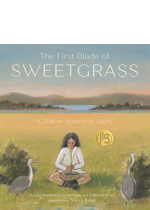
The First Blade Of Sweetgrass
Musquon must overcome her impatience while learning to distinguish sweetgrass from other salt marsh grasses, but slowly the spirit and peace of her surroundings speak to her, and she gathers sweetgrass as her ancestors have done for centuries, leaving the first blade she sees to grow for future generations. This sweet, authentic story from a Maliseet mother and her Passamaquoddy husband includes backmatter about traditional basket making and a Wabanaki glossary. color throughout
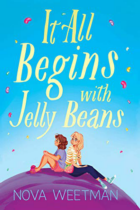
It All Begins With Jelly Beans
Meg spends her days hoping no one thinks too hard about why she wears the same t-shirt and slippers to school every day. Luckily, the nurse’s office provides a welcome escape from classmates who don’t understand…and snacks when food runs out at home.
Riley knows fitting in at her new school would be a lot easier if her friends were more understanding of her type 1 diabetes. So she keeps her testing under wraps…and an emergency bag of jelly beans on hand.
When Meg and Riley end up together in the nurse’s office one day, both girls think they’ve worked each other out, but what if they’ve got it all wrong? On the brink of moving on to junior high, Riley and Meg must find the courage to discover who they really want to be. And maybe a bag of shared jelly beans will provide all the help they need.
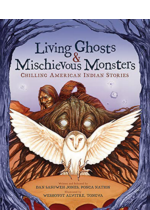
Living Ghosts And Mischievous Monsters: Chilling American Indian Stories
Some of the creatures in these pages might only have a message for you, but some are the stuff of nightmares. These thirty-two short stories — from tales passed down for generations to accounts that could have happened yesterday — are collected from the thriving tradition of ghost stories from American Indian cultures across North America. Prepare for stories of witches and walking dolls, hungry skeletons, La Llorona and Deer Woman, and other supernatural beings ready to chill you to the bone.
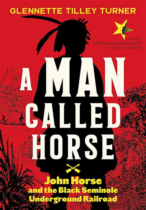
A Man Called Horse: John Horse and the Black Seminole Underground Railroad
A Man Called Horse focuses on the little-known life of Horse while also putting into historical perspective the larger story of Native Americans and especially Black Seminoles, helping to connect the missing “dots” in this period. After fighting during the Second Seminole War (1835–1842), one of the longest and most costly Native American conflicts in US history, Horse negotiated terms with the federal government and later became a guide and interpreter. Forced to relocate, he led a group of Black Seminoles to find a new home, first heading westward to Texas and later to Mexico.