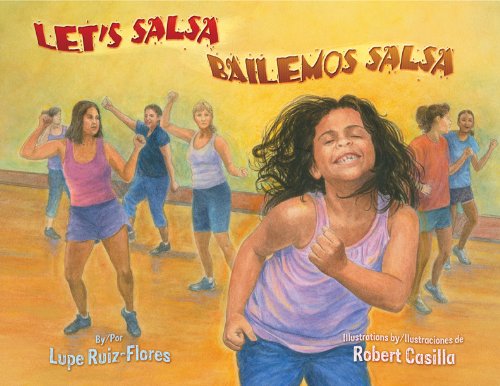
Let’s Salsa / Bailemos Salsa

Estella can’t help but giggle when she sees her neighbors, Dona Rosa and Dona Maria, shaking their hips while dancing and sweating at an exercise class at the community recreation center. A few days later, when her mother complains about gaining weight, Estella encourages her to join the class.

Let’s Salsa / Bailemos Salsa has been discussed in My Take/Your Take for September 2020.

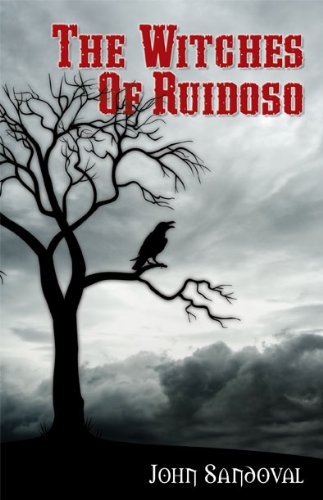
The Witches Of Ruidoso


In the last years of the nineteenth century, in the western territory that would become New Mexico, two young people become constant companions. They roam the ancient country of mysterious terrain, where the mountain looms and reminds them of their insignificance, and observe the eccentric characters in the village: Mr. Blackwater, known as “No Leg Dancer” by the Apaches because of the leg he lost in the War Between the States and his penchant for blowing reveille on his bugle each morning; their friend, Two Feather, the Mescalero Apache boy who takes Beth Delilah to meet his wise old grandfather who sees mysterious things; and Senora Roja, who everyone believes is a bruja, or witch, and who they know to be vile and evil.

Carlos And The Squash Plant / Carlos Y La Planta De Calabaza

Having ignored his mother’s warnings about what will happen if he doesn’t bathe after working on his family’s New Mexican farm, Carlos awakens one morning to find a squash growing out of his ear.

Lessons from Hu’ul Ke

How a young boy is raised by his grandfather on the Tohono O’odham Indian Reservation. The book denotes various aspects of O’odham himdag (culture) and begins with a simple question that the boy asks his Hu’ul Ke:li (Grandfather) with a culturally relevant answer as to why they do the things they do during the day. Various activities include waking up early in the morning and asking why they do so – to daily chores and activities such as tending horses, working in the garden, hauling water, and gathering food/medicine in the desert.

Sister Rabbit’s Tricks

Sister Rabbit enjoys visiting her friends and relatives in the forest. She also enjoys playing tricks on the other animals, and sometimes Rabbit’s tricks get her into trouble.

Inspired by the many rabbit stories from the pueblos of New Mexico, this story of Sister Rabbit and her antics shows us a trickster animal, wily and lovable, who can fool her friends but needs to learn some lessons about how to get along in life.

The Hopi

Provides a brief description of the territorial homeland of the Hopi people. The chapters describe society, homes, food, clothing, crafts, family, children, myths, war, and contact with Europeans. Readers meet Yokiuma, whose personal mission was to preserve the Hopi culture.

The Navajo

Presents a brief introduction to the Navajo Indians including information on their society, homes, food, clothing, crafts, and life today.