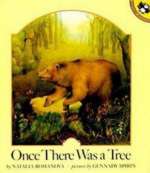
An old stump attracts many living creatures, even man, and when it is gone, a new tree attracts the same creatures, who need it for a variety of reasons.

An old stump attracts many living creatures, even man, and when it is gone, a new tree attracts the same creatures, who need it for a variety of reasons.
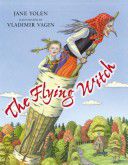
Whirr. Whirr. Clunkety-clank. Here comes Baba Yaga! Flying her mortar and pestle, the witch with the long iron nose scours the countryside for plump young children to eat. But will she be a match for the fiesty little girl she hopes to throw into her soup? New York Times best-selling author Jane Yolen has created a clever, original story based on hundreds of traditional Russian folktales about the famed scary old witch. Vladimir Vagin’s remarkably detailed borders and intricate scenes will give readers chills and laughs as they read this witty tale.
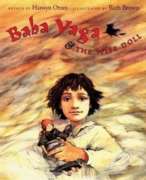
A memorable Russian fairy tale about a little girl who, with the advice of her wise doll, escapes a truly terrifying witch and her slimy, child-gobbling toads.
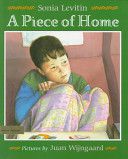
Gregor decides to take his special blanket when his family leaves Russia to live in America, but he worries about his choice all during the journey.
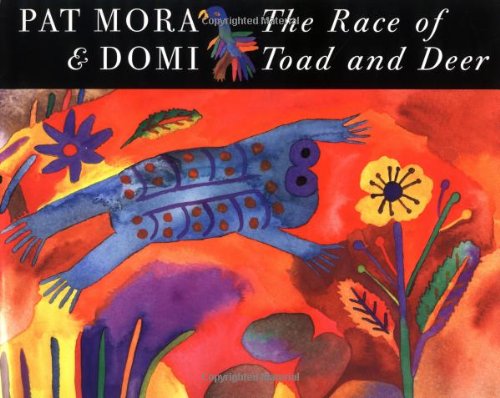 In this second book by the Latina pair, Pat Mora has created a poetic adaptation of the Maya version of the much-loved fable of the tortoise and the hare. The arrogant deer who boasts of his strength and speed is finally challenged to a race by the wily toad. While all the wondrous animals of the jungle – jaguar, tapir, armadillo and toucan – gathered around to watch, the toad makes a plan. He may not be as large as Venado, but he is very clever and has many friends to help him.
A little lamb uses her clever wiles to keep a coyote from eating her up.
Armando and his father are trash-pickers in Tijuana, Mexico, but when Senor David brings his “school”–a blue tarp set down near the garbage dump–to their neighborhood, Armando’s father decides that he must attend classes and learn. Based on a true story.

Iguana, Conejo, Tortuga, and Culebra are excited about having a spring party, but only Iguana is willing to do any of the work. Includes a glossary of Spanish words used.
The theft of all the lemons from her lemon tree leads Rosalinda to an encounter with la Anciana, the Old One, who walks the Mexican countryside helping things grow, and to an understanding of generosity and forgiveness.
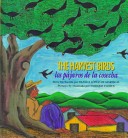
A young man realizes his dream by listening to the voice of nature.