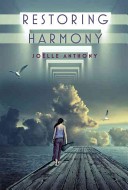
The year is 2041. Sixteen-year-old Molly McClure has lived a relatively quiet life on an isolated farming island in Canada, but when her family fears the worst may have happened to her grandparents in the US, Molly must brave the dangerous, chaotic world left after global economic collapse. One of massive oil shortages, rampant crime, and abandoned cities. Molly is relieved to find her grandparents alive in their Portland suburb, but they are financially ruined and practically starving. What should have been a quick trip turns into a full-fledged rescue mission. And when Molly witnesses something the local crime bosses wishes she hadn’t, Molly’s only way home may be to beat them at their own game. Luckily, there’s a handsome stranger who’s willing to help.
Canada
Materials from Canada
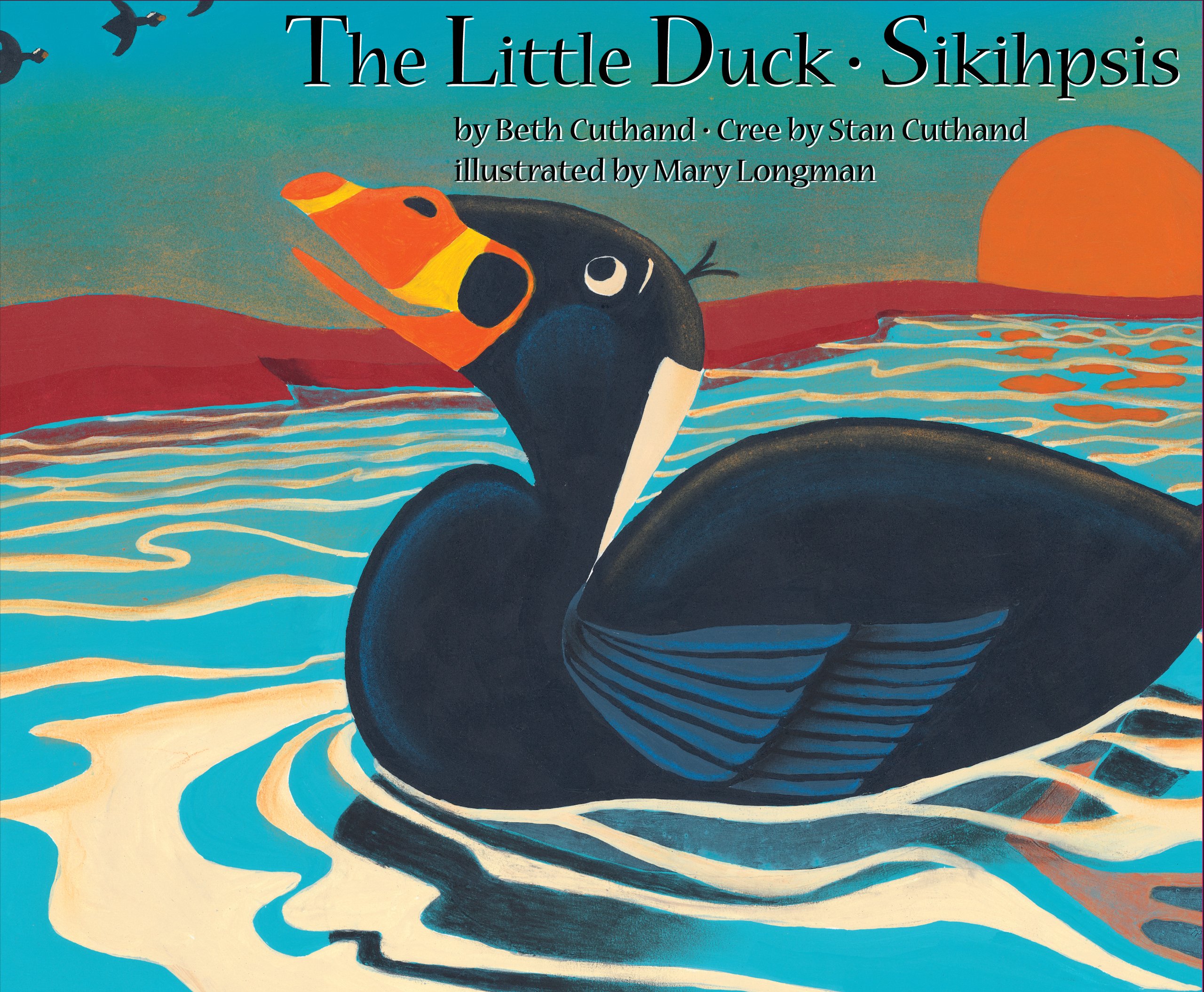
The Little Duck -Sikihpsis
Little Duck wants to be a Plains Cree dancer, and decides to dress up like one and walks into the Cree camp. When he sees he does not fit in, the lonely duck returns to his pond and finds acceptance from the other ducks. He becomes content with who he is and his life as a duck.
The Little Duck is a universal story that transcends cultural boundaries and leaves one with a lesson about the importance of self-worth.
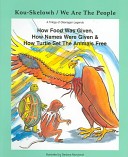
Kou-Skelowh
This is a Collection of original legends–How Food Was Given, How Names Were Given and How Turtle Set the Animals Free–with time-honored lessons for children about the values of sharing and respect presented in a beautiful full-color format. Told in a strong, rhythmic language, the stories read aloud well and can be used to help children think about the values of sharing, self-sacrifice and reverence for life in all forms. One of the most valuable aspects of the “Kou-Skelowh series is that it was developed with Aboriginal cultural protocol. In 1981 the Okanagan Elders Council was approached and asked if some traditional legends could be used in the project. When the Elders gave permission for three legends to be used they were translated into English. The English versions were then taken back to the Elders Council for examination and edited until they were approved for educational use by Okanagan Children. Theytus was granted permission to publish the stories on the condition that no individual claim ownership of the legends.
Baseball Bats For Christmas
Never having seen trees, the children in Repulse Bay decide that the funny things sent them one year must actually be baseball bats. An autobiographical tale from Michael Kusugak’s childhood tells a story of life in the arctic, and easily different cultures can interpret things differently.
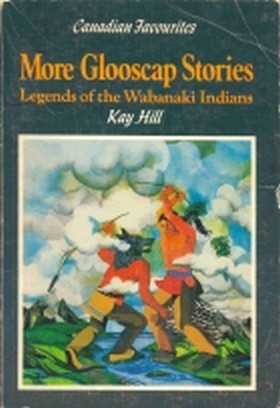
Glooscap And His Magic
Passing the Peace: A Counting Book for Children
This is an exceptional book by an innovative author from Yellowknife, Northwest Territories. Not only does it guide the young reader through the numbers 1 to 10, it does so in English, French, Inuktitut, and Inuinnaqtun. The numerical progression in the color images, which are of Inuit figures cut from fabric and arranged anew for each number, is further represented by each figure acquiring a bright red heart, reinforcing the overall theme of friendship among people of different languages and races.
The Seal Oil Lamp: An Adaptation of an Eskimo Folktale
A retelling of a traditional Eskimo tale of how a seven-year-old blind boy is saved from death by the kindly little mouse people.
The Inuksuk Book
An introduction to the many forms of the inuksuk structure The image of a traditional Inuit stone structure, or inuksuk, silouetted against an arctic sky, has become a familiar symbol. Yet, for many, their purpose remains a mystery. In a stunning new book, artist and children’s author Mary Wallace, in consultation with Inuit elders and other noted experts, gives a fascinating introduction in words, pictures, and paintings to the many forms of the inuksuk structure and its unique place in Inuit life and culture.
People of the Ice: How the Inuit Lived
Describes how the Inuit built their igloos, kayaks and sledges; made their clothing and prepared their food; played games and carved objects from soapstone; and how they hunted and fished.
The Fire Stealer
This is the story of Nanabozho and how he brought fire to the Indians. Nanabozho transformed himself into a rabbit, tricked his way into a warrior’s wigwam and stole a torch of fire enabling his people to warm themselves in winter and cook their food. So that he would always be remembered for what he had done, Nananbozho worked his magic on the trees and every fall we still see the flaming colors of fire in their leaves.