
 Profiles the life of the first Hispanic woman to become an astronaut including information about her childhood, education, and career with NASA.
United States
Materials from United States of America
Fact Of Life #31
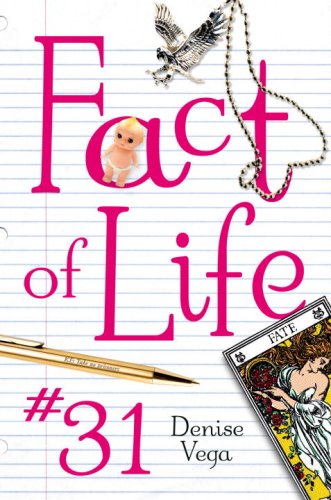 FACT OF LIFE #48: Kat’s mom is No-Last-Name Abra, the best home-birth midwife in Colorado. But with her own daughter, Abra can’t stop teaching and lecturing long enough to be a mom.Fact of Life #21: Kat’s had a crush on Manny Cruz since seventh grade. Now Manny is showing interest , but could he seriously be into Weird Yoga Girl Kat Flynn?Fact of Life #14: Gorgeous Libby Giles has always intimidated Kat. But lately there’s something different about Libby, and it’s about to bring her crashing into Kat’s Life. . . .Hilarious and poignant, this is the story of one girl’s sometimes funny, sometimes painful path to self-acceptance and to finding her place in the world.
Fiesta Dress: A Quinceanera Tale
It s the day of Lolo’s big sister’s quinceañera party, and suddenly everyone is too busy to play with Lolo. But when she lets her dog Gobi runfree, everyone notices. Vivid illustrations in acrylics and watercolor by Martha Avile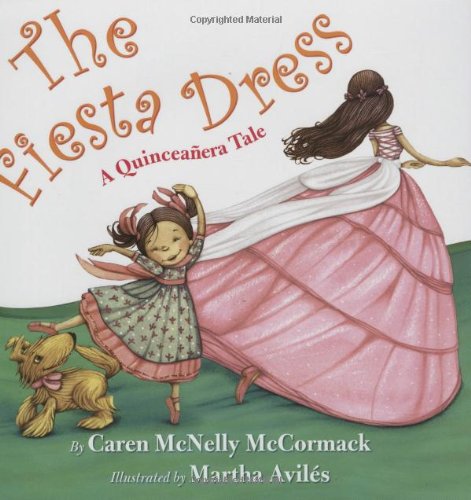 s skillfully portray Lolo using her fast feet and wits to outsmart Gobi and save her big sister’s special day!
He Forgot To Say Goodbye
“Ramiro Lopez and Jake Upthegrove don’t appear to have much in common. Ram lives in the Mexican-American working-class barrio of El Paso called “Dizzy Land.” His brother is sinking into a world of drugs, wreaking havoc in their household. Jake is a rich West Side white boy who has developed a problem managing his anger. An only child, he is a misfit in his mother’s shallow and materialistic world. But Ram and Jake do have one thing in common: They are lost boys who have never met their fathers. This sad fact has left both of them undeniably scarred and obsessed with the men who abandoned them. As Jake and Ram overcome their suspicions of each other, they begin to move away from their loner existences and realize that they are capable of reaching out beyond their wounds and the neighborhoods that they grew up in. Their friendship becomes a healing in a world of hurt.
Quinceanera: A Latina’s journey to womanhood
Photographs and text follow a Mexican-American girl through a coming-of-age ritual that helps to preserve a rich heritage in today’s Latino community in the United States.
Next to Mexico
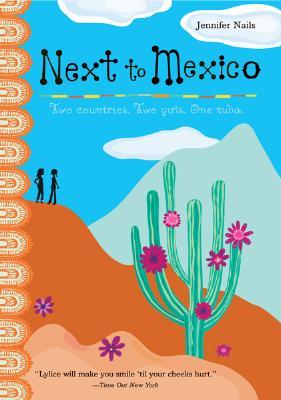 Outspoken, impulsive Lylice has skipped fifth grade, but she finds that getting along at Susan B. Anthony Middle School is more difficult than she expected, until she befriends another newcomer to the sixth grade.
Rituals of Survival: A Woman’s Portfolio
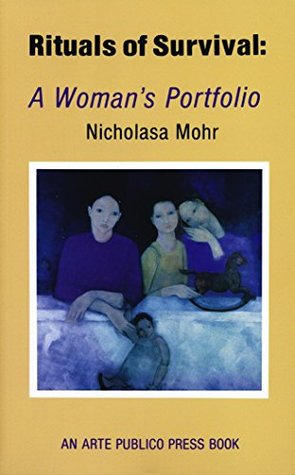 A collection of five short stories and a novella which offers valuable portraits of New York City women and the rituals of survival that shape their lives.
Sand Sister
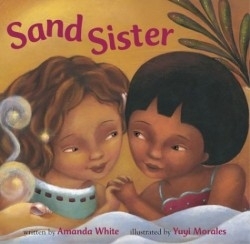 When lonely Paloma goes to the beach and wishes that she had a sister to play with, the girl she draws in the sand comes magically alive, and at day’s end her parents give her the good news of a new baby on the way.
Seeds of Struggle, Songs of Hope
This is a collection of poetry written by Chicano/Latino youths about their dreams, struggles, identity, hope and love.
Sip, Slurp, Soup, Soup – Caldo, Caldo, Caldo
A bilingual picture book offers up a celebration of a kitchen where mom has just pulled out the large stew pot to begin a fabulous vegetable soup and all the kids are invited to help.