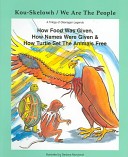
Kou-Skelowh

This is a Collection of original legends–How Food Was Given, How Names Were Given and How Turtle Set the Animals Free–with time-honored lessons for children about the values of sharing and respect presented in a beautiful full-color format. Told in a strong, rhythmic language, the stories read aloud well and can be used to help children think about the values of sharing, self-sacrifice and reverence for life in all forms. One of the most valuable aspects of the “Kou-Skelowh series is that it was developed with Aboriginal cultural protocol. In 1981 the Okanagan Elders Council was approached and asked if some traditional legends could be used in the project. When the Elders gave permission for three legends to be used they were translated into English. The English versions were then taken back to the Elders Council for examination and edited until they were approved for educational use by Okanagan Children. Theytus was granted permission to publish the stories on the condition that no individual claim ownership of the legends.
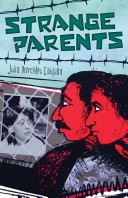
Strange Parents

This compelling novel about immigration for intermediate readers details the difficulties encountered by children separated from their parents

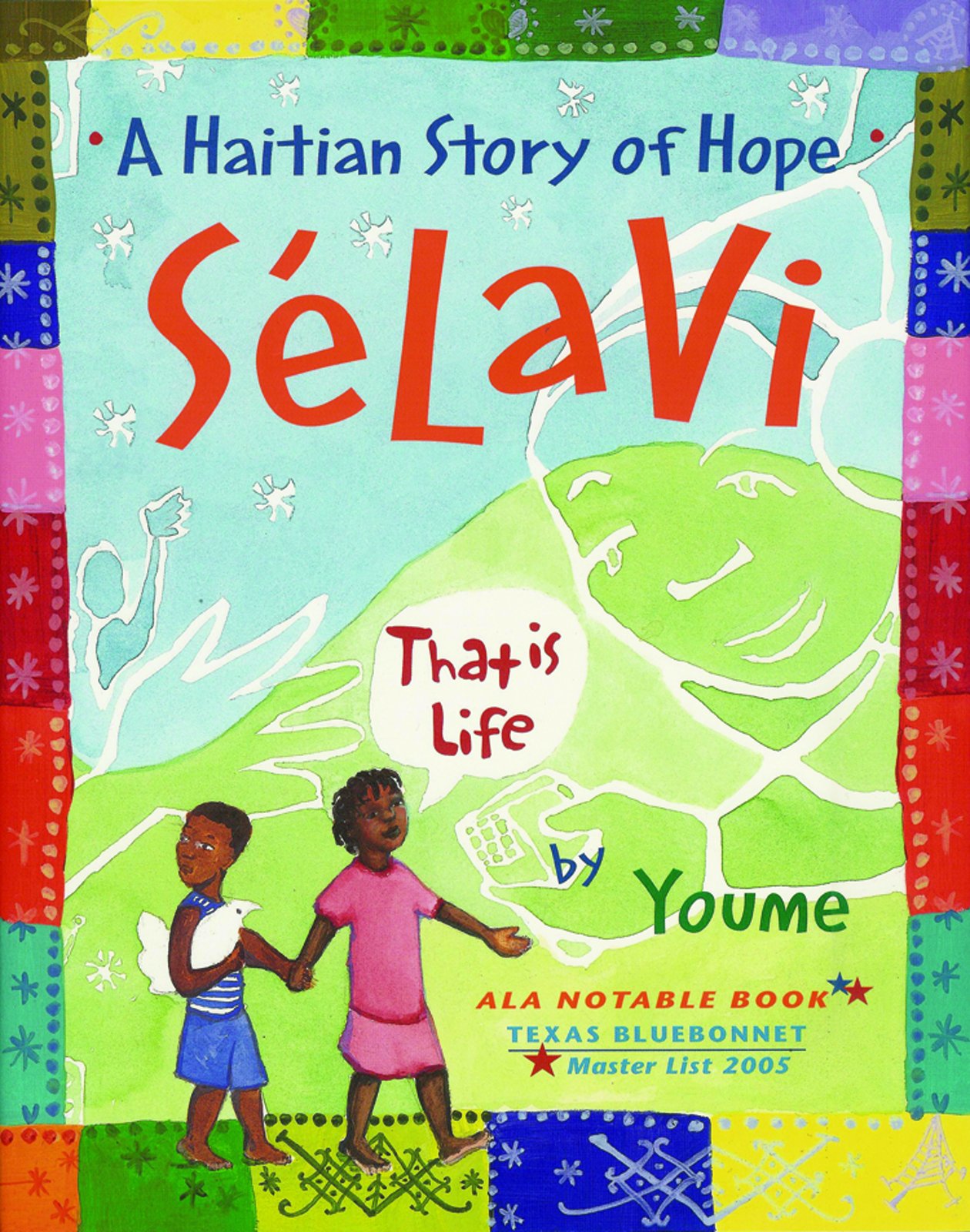
Selavi: A Haitian Story of Hope

The story of Selavi celebrates the triumphs of children who face some of life’s most difficult challenges. In these pages, you’ll meet Selavi, a homeless child who is befriended by other children living on the streets in Haiti. They look out for one another, sharing food and companionship. Together they find the voice to express the needs of Timoun Lari, the children who live in the streets. With a caring community they are able to build a shelter, and from there to create Radyo Timoun, Children’s Radio, a station run by and for children, which is still in operation today. At Radyo Timoun, the questions and suggestions of children are broadcast for all to hear. The story takes place in Port-Au-Prince, Haiti, a country which has a long history of resistance and struggle. Haiti is the birthplace of Toussaint L’ouverture and many others whose dedication to justice led to Haitian independence from slaveowners. Haiti is perhaps best known as the island which orchestrated the first successful revolt by enslaved peoples in the western hemisphere in 1804. Haitian author Edwidge Danticat adds an essay at the end of the story of Selavi.

This book has been included in WOW’s Kids Taking Action Booklist. For our current list, visit our Boolist page under Resources in the green navigation bar.

Featured in Volume I, Issue 2 of WOW Review.

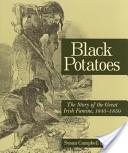
Black Potatoes: The Story Of The Great Irish Famine, 1845-1850

In 1845, a disaster struck Ireland. Overnight, a mysterious blight attacked the potato crops, turning the potatoes black and destroying the only real food of nearly six million people. Over the next five years, the blight attacked again and again. These years are known today as the Great Irish Famine, a time when one million people died from starvation and disease and two million more fled their homeland. Black Potatoes is the compelling story of men, women, and children who defied landlords and searched empty fields for scraps of harvested vegetables and edible weeds to eat, who walked several miles each day to hard-labor jobs for meager wages and to reach soup kitchens, and who committed crimes just to be sent to jail, where they were assured of a meal. It”s the story of children and adults who suffered from starvation, disease, and the loss of family and friends, as well as those who died. Illustrated with black and white engravings, it”s also the story of the heroes among the Irish people and how they held on to hope.

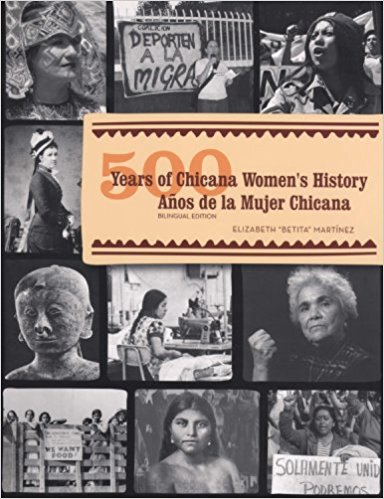
500 Years of Chicana Women’s History/Anos de Historia de las Chicanans

500The history of Mexican Americans spans more than five centuries and varies from region to region across the United States. Yet most of our history books devote at most a chapter to Chicano history, with even less attention to the story of Chicanas. 500 Years of Chicana Women’s History offers a powerful antidote to this omission with a vivid, pictorial account of struggle and survival, resilience and achievement, discrimination and identity. The bilingual text, along with hundreds of photos and other images, ranges from female-centered stories of pre-Columbian Mexico to profiles of contemporary social justice activists, labor leaders, youth organizers, artists, and environmentalists, among others. With a distinguished, seventeen-member advisory board, the book presents a remarkable combination of scholarship and youthful appeal. In the section on jobs held by Mexicanas under U.S. rule in the 1800s, for example, readers learn about flamboyant Doña Tules, who owned a popular gambling saloon in Santa Fe, and Eulalia Arrilla de Pérez, a respected curandera (healer) in the San Diego area. Also covered are the “repatriation” campaigns” of the Midwest during the Depression that deported both adults and children, 75 percent of whom were U.S.-born and knew nothing of Mexico. Other stories include those of the garment, laundry, and cannery worker strikes, told from the perspective of Chicanas on the ground. From the women who fought and died in the Mexican Revolution to those marching with their young children today for immigrant rights, every story draws inspiration. Like the editor’s previous book, 500 Years of Chicano History (still in print after 30 years), this thoroughly enriching view of Chicana women’s history promises to become a classic.

The Jungle Grapevine

In his children’s book debut, fine artist Alex Beard brings to life an African savanna filled with humor and misunderstandings. When Bird mixes up something Turtle says, he accidentally starts a rumor about the watering hole drying up. One misunderstanding leads to another, with animals making their own hilarious assumptions. No one is hearing anything right, and soon the animals are in an uproar from one end of the jungle to the other. Elephant is trumpeting, Croc is snapping, and the Flamingos are fleeing! Beard’s story will have every child wondering if peace can ever be restored in the animal kingdom.

Angel’s Gate

When a gold digger is murdered in Kimmy’s small Australian town, one of the man’s wild children comes to live in Kimmy’s home, and the two children build a friendship that will change them both.

The Kin

It is two hundred thousand years ago. A small group of children are cut off from their Kin, the Moonhawks, when they are driven from their Good Place by violent strangers. While searching for a new Good Place, they face the parched desert, an active volcano, a canyon flood, man-eating lions, and other Kins they’ve never seen before. These young Moonhawks are brave, clever, and warmhearted, and all three traits are crucial to their survival. Told from four points-of-view, with tales of the Kins’ creation interspersed throughout, this epic novel humanizes early man and illuminates the beginning of language, the development of skills, and the organization of society. Winner of a Printz Honor for The Ropemaker, Peter Dickinson has won most of the major British writing awards (some of them twice). With The Kin, he more than lives up to his honored reputation.

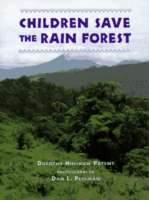
Children Save the Rain Forest

A profile of the International Children’s Rain Forest describes the lush beauty of the plants and animals that live there and considers the work and contributions by children all over the world to keep the area preserved.

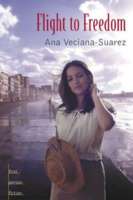
Flight to Freedom

In Flight to Freedom, Anna Veciana-Suarez brings us Yara, an eighth-grader who lives in a middle-class neighborhood of 1967 Havana, Cuba. Her parents, who do not share the political beliefs of the Communist party, finally are forces to flee Cuba with their children to Miami, Florida. There, Yara records in her diary the difficulties she encounters in a strange land with foreign customs. She must learn English and go to school with new children. Her parents also adjust to the new country differently, and Yara’s father grows frustrated with her mother when she becomes more independent.