
 When Lucita’s great-uncle Armando comes to live with them, he teaches her many truths about life.
Age
Catalog sorted by age group
500 Years of Chicana Women’s History/Anos de Historia de las Chicanans
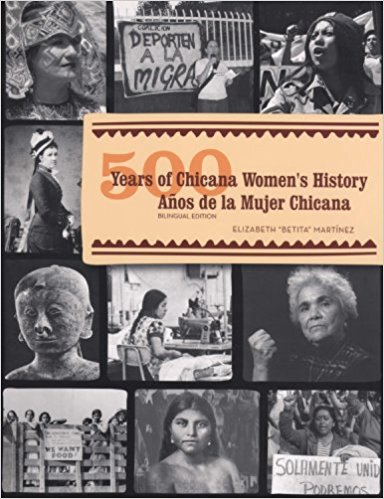 The history of Mexican Americans spans more than five centuries and varies from region to region across the United States. Yet most of our history books devote at most a chapter to Chicano history, with even less attention to the story of Chicanas. 500 Years of Chicana Women’s History offers a powerful antidote to this omission with a vivid, pictorial account of struggle and survival, resilience and achievement, discrimination and identity. The bilingual text, along with hundreds of photos and other images, ranges from female-centered stories of pre-Columbian Mexico to profiles of contemporary social justice activists, labor leaders, youth organizers, artists, and environmentalists, among others. With a distinguished, seventeen-member advisory board, the book presents a remarkable combination of scholarship and youthful appeal. In the section on jobs held by Mexicanas under U.S. rule in the 1800s, for example, readers learn about flamboyant Doña Tules, who owned a popular gambling saloon in Santa Fe, and Eulalia Arrilla de Pérez, a respected curandera (healer) in the San Diego area. Also covered are the “repatriation” campaigns” of the Midwest during the Depression that deported both adults and children, 75 percent of whom were U.S.-born and knew nothing of Mexico. Other stories include those of the garment, laundry, and cannery worker strikes, told from the perspective of Chicanas on the ground. From the women who fought and died in the Mexican Revolution to those marching with their young children today for immigrant rights, every story draws inspiration. Like the editor’s previous book, 500 Years of Chicano History (still in print after 30 years), this thoroughly enriching view of Chicana women’s history promises to become a classic.
Here, Kitty, Kitty!/Ven, gatita, ven! (My Family: Mi Familia)
Our new kitty likes to hide. A nuestra nueva gatita le gusta esconderse. She hides under the table, Se esconde debajo de la mesa, inside a flowerpot, dentro de una maceta and behind the curtains. Y detrás de las cortinas. We call out to her, La llamamos, pero . . . but will she ever come close enough to pet? ¿se acercará lo suficiente como para acariciarla? Here, kitty, kitty! ¡Ven, gatita, ven! This third book in Pat Mora’s bilingual My Family/Mi familia series will delight children with its mischievous kitty, playful illustrations, and engaging story. Este tercer libro de la serie bilingüe My Family/Mi familia de Pat Mora entretendrá a los niños con una gatita traviesa, ilustraciones graciosas y una historia encantadora.
Play Ball!
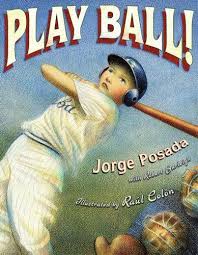 Based on the childhood of New York Yankees catcher Jorge Posada, this is the story of a boy from Puerto Rico who worked hard to be his best and didn’t stop until he was a champion.
Too Many Tamales
While preparing dough for her family’s Christmas tamales, Maria discovers that she has lost her mother’s prized diamond ring somewhere in the dough and sets out to eat her way through the many finished tamales to find the missing ring.
Juan The Bear And The Water Of Life: La Acequia De Juan Del Oso (Paso Por Aqui Series On The Nuevomexicano Literary Heritage)
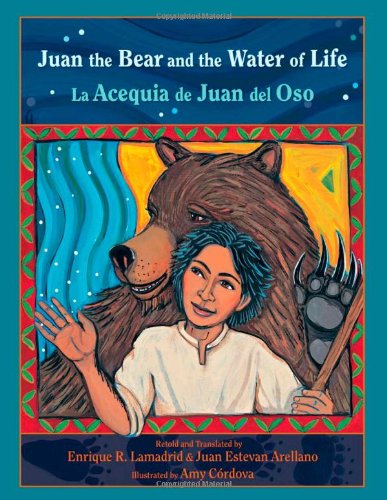 La Acequia del Rito y la Sierra in the Mora Valley is the highest and most famous traditional irrigation system in New Mexico. It carries water up and over a mountain ridge and across a sub-continental divide, from the tributaries of the RÃo Grande to the immense watershed of the Mora, Canadian, Arkansas, and Mississippi Rivers. The names and stories of those who created this acequia to sustain their communities have mostly been lost and replaced by myths and legends. Now, when children ask, some parents attribute the task of moving mountains and changing the course of rivers to Juan del Oso, the stouthearted man whose father was a bear.From the mountains of northern Spain to the Andes in South America, Spanish-speaking people have told ancient legends of Juan del Oso and his friends. In this children’s tale, agriculturalist Juan Estevan Arellano and folklorist Enrique Lamadrid share a unique version of a celebrated story that has been told in northern New Mexico for centuries.Reading level: age 10 years and up
The Texas War Of Independence: The 1800s (Hispanic America)
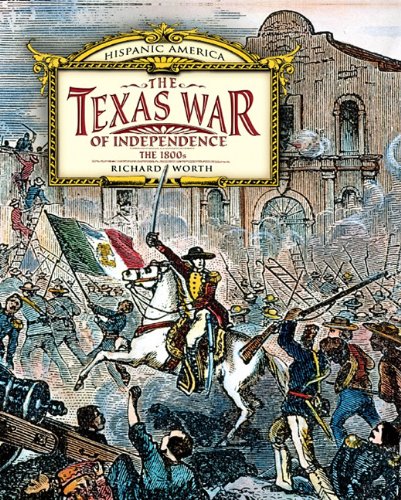 “Provides comprehensive information on the history of Spanish exploration in the United States, focusing on the Texas Revolt and the Mexican War”–Provided by publisher.
Mice and Beans
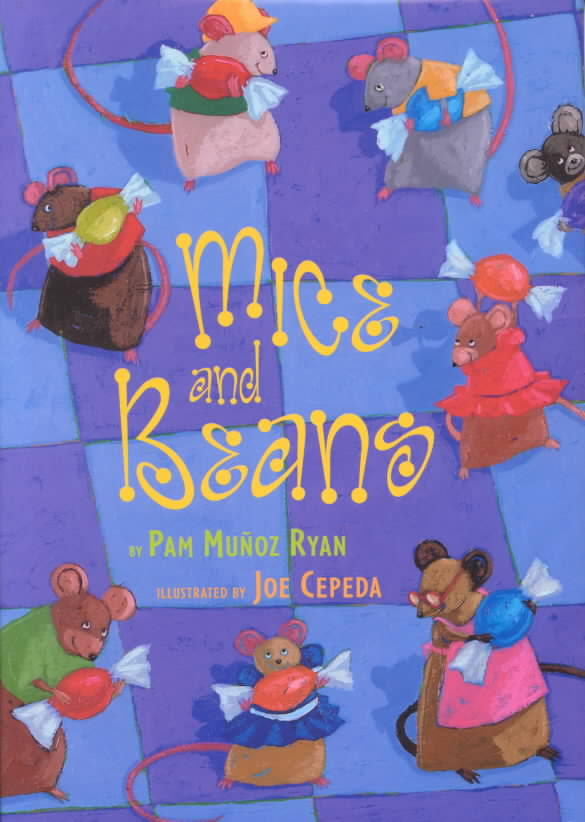 In this tale Rosa Maria spends the week getting ready for her granddaughter’s birthday party and trying to avoid attracting mice–unaware that the mice in her walls are preparing for a party of their own.
Marisol and Magdalena: The Sound of Our Sisterhood
Separated from her best friend in Brooklyn, thirteen-year-old Marisol spends a year with her grandmother in Panama where she secretly searches for her real father.
The Making Of A Civil Rights Leader (Hispanic Civil Rights)
Born in 1944, José Angel Gutiérrez grew up in a time when Mexicans and Mexican Americans in Texas and the Southwest attended separate schools and avoided public facilities and restaurants that were designated “Whites Only.” Despite the limits of segregation and rural culture in Texas, the passion to learn and to educate others, as well as to undo injustice, burned in his belly from an early age. Gutiérrez offers portraits of his early influences, from his father’s own pursuit of knowledge and political involvement, to his Mexican pre-school teacher’s dedication to bilingual-bicultural education which did not exist in public schools at that time, and to his mother’s courage and persistence, taking up migrant field work to provide for her family after the death of young Gutiérrez’s father. In this intensely narrated memoir, Gutiérrez details his rise from being beaten down by racist political and agricultural interests in South Texas to his leadership role in the Chicano civil rights movement of the 1960s and 1970s. Complemented by photos from his personal archives, Gutiérrez recalls his struggle for education, his early baptism in grass-roots political organizing, and his success in creating one of history’s most successful third party movements, La Raza Unida Party. Along the way, Gutiérrez earned college and law degrees, as well as a Ph. D. in Political Science. He was elected or appointed to school boards, commissions, judgeships and party chairmanships, all with the single-minded purpose of extending equality to Mexican Americans and other minorities in the United States. Through his tireless efforts, he crossed paths with African American and Native American civil rights leaders, Mexican presidents, and other international figures.