Americas
Materials from the Americas
Bird Springs
Eleven-year-old Gregory and his family had to leave the Navajo reservation at Bird Springs—the only home they’ve ever known—and move to a motel in Tucson, Arizona. Gregory misses his absent father, but he likes school, particularly art class with the kind teacher. He also makes a new friend, Matt, who promptly informs him art class is really art therapy and that Gregory is staying in a shelter, not a motel. Even though Matt can be outspoken, he’s just what Gregory needs now. He’s honest and generous with his allowance so they can ride the Ferris wheel at the carnival. Award-winning author Carolyn Marsden paints a poignant story of a little boy who, as he confronts the more painful aspects of his past, is filled with a sense of hope.
Crazy Loco
Lively, fascinating, and often laugh-out-loud funny, this short story collection provides an intimate glimpse into the life of Mexican American kids in South Texas. From the tale of a boy’s first crush to that of a girl who yearns to see more of the world, from the feud between Texas brothers and their California cousins to the exploits of a reluctant altar boy, from a poignant reminiscence about a family’s maid to a zany tale of a car-crazy dog, this collection is a whirlwind of insight and entertainment. Loosely based on the author’s own Mexican American childhood, Crazy Loco depicts a South Texas full of charm, humor and energy.
Featured in Volume VI, Issue 1 of WOW Review.
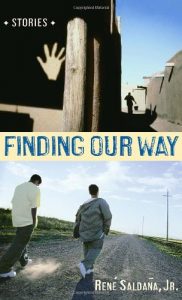
Finding Our Way
THESE STORIES TAKE the reader to meet mochos; cholos; Mr. and Mrs. Special; Manny with his mysterious phone calls; Melly, who dreams of being the first girl to take the Dive; Andy and Ruthie, who find that being “boyfriend-girlfriend” takes on new meaning the night of the prom; and Chuy, who seems determined to get kicked out of school. Each distinct voice shares secret thoughts that draw the reader into daily dramas of love, danger, loyalty, and pride. In the final story, a shocking tragedy reverberates through the barrio.“With this collection, Saldaña makes a significant contribution to the field of Latino short stories for young readers.”—VOYA, Starred“These powerfully written, provocative selections have universal appeal and subtle, thoughtful themes.”—School Library Journal“While much is revealed, just as much is implied, making the stories layered and rich while still rendering them accessible.”—The BulletinFrom the Hardcover edition.

Canto Familiar
Manuel and the Lobsterman
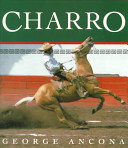
Charro (Spanish-Language)
Charro is the Mexican term for horseman, but for a Mexican a charro is much more than a cowboy. A skilled rider of horses and bulls and bucking broncos, an artist with a lariat, and a model of gentlemanly dress and behavior, the charro is also a living symbol of Mexico’s patriotic past. In the rodeo-like sport called la charrería, male charros and female charras, children and adults, show off their skill and daring. But more than that they are showing off their pride in their country–because to be a charro is to be a Mexican.
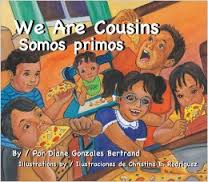
We Are Cousins / Somos primos
Cousins are friends and rivals. Cousins are funny and frustrating. But the most important thing is that cousins are family. We are Cousins / Somos primos celebrates the joy of this special family bond. The children explain that they are cousins because their mothers are sisters, and from the moment they get together, the fun begins. They march in a make-believe parade, gobble up a pizza, and share a cozy story on Abuelo\’s lap. But they also blame each other if something goes wrong, don\’t want to share their toys, and wiggle against each other to nab a spot on Abuela\’s lap. Written in simple language for children ages 2-5, the brief English and Spanish text will become a valuable tool to encourage children to think and talk about their own families. It will also become a favorite book for children and grandchildren to share with their parents, grandparents, aunts, uncles, and of course, cousins. Vivid illustrations by Christina Rodriguez in bright, primary colors complement this story that will be as much fun to read at story hour as it will be to read on the family sofa.
Birthday In The Barrio/Cumpleanos En El Barrio
In this second bilingual book by author Mayra L. Dole, lively, determined Chavi sets off on yet another Miami adventure. This time it’s a fifteenth birthday party for her buddy Rosario’s sister that sends her swooshing through her Cuban American neighborhood, recruiting children and grownups to help in the planning and cooking. Once again Chavi proves that she can bring an entire community together for a heartfelt and ultimately very special event.Mayra L. Dole’s bouncy prose and Tonel’s bright, witty watercolors will delight readers who know and love Chavi, as well as those who are discovering this amazing eight-year-old heroine for the first time.
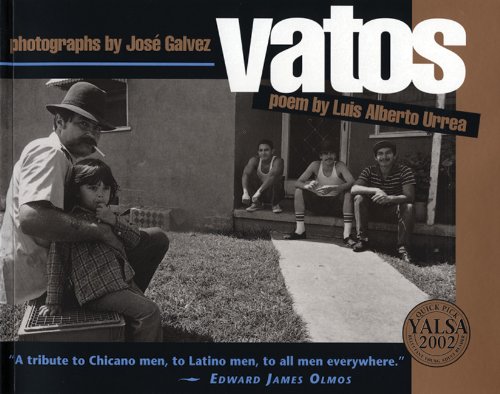
Vatos
One evening, Pulitzer Prize-winning photographer Jos Galvez heard Luis Alberto Urrea read “Hymn to Vatos Who Will Never Be in a Poem” with its chant-like repetitions and its evocation of Chicano manhood. As Luis read each line, an image clicked in Jos’s memory, and he knew that he had already taken that photograph. The result of that experience is this remarkable book. Vatos is street slang for dude, guy, pal, brother. It sprang from the highly stylized language of the Pachucos (los chukotes) in the ’50s. It’s a Chicano term derived from the once-common friendly insult chivato, or goat. It had a slightly unacceptable air to it, which the Locos and Weesas of the Chuco world enjoyed. They were able to take the sting out of racism by calling themselves a bunch of names assimilated “good Mexicans” didn’t like.