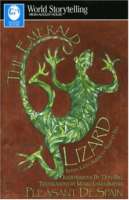
Emerald Lizard (World Storytelling)

For the past three decades, Pleasant DeSpain has explored Latin America,_its countries, countrysides, customs, cultures, and especially, its stories. While his repertoire of traditional world folktales includes narratives from almost every culture around the globe, DeSpain’s talent shines even brighter when relating the legends from Latin America. His exploration of the heart and soul of this enormous region demonstrates his passion for Latin America and its people and their stories.

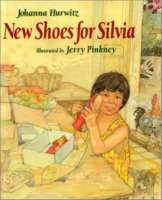
New Shoes for Silvia

Silvia can’t wait to try on her present from Tia Rosita: new shoes as red as the inside of a watermelon. The shoes are too big for Silvia to wear, and she waits for her feet to grow. The excitement of the new shoes and the formidable task of waiting to grow into them are both conveyed beautifully through the story and the art.

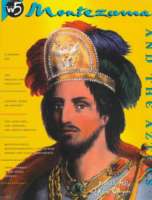
Montezuma and the Aztecs

Montezuma clarifies the differences between Aztec, Mayan, and Inca civilizations, and then discusses Aztec culture, the significance of human sacrifice, the relationships among neighboring towns, European explorers, and Montezuma.

Where Angels Glide at Dawn: New Stories from Latin America

A unique collection of contemporary Latin American stories. These tales represent a variety of countries and a wide range of voices. This anthology is a superb medley of Latin Anerica’s diverse cultures and literatures.

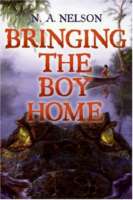
Bringing the Boy Home

As two Takunami youths approach their thirteenth birthdays, Luka reaches the culmination of his mother’s training for the tribe’s manhood test while Tirio, raised in Miami, Florida, by his adoptive mother, feels called to begin preparations to prove himself during his upcoming visit to the Amazon rain forest where he was born.

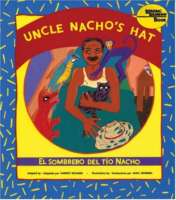
El Sombrero Del Tío Nacho / Uncle Nacho’s Hat

When Ambrosia gives her Uncle Nacho a new hat, he tries to get rid of his old one, but to no avail. No matter what he does, the pesky hat keeps coming back to him. This classic folktale from the Puppet Workshop of Nicaraguan National Television, vividly illustrated by Mira Reisberg and presented in a bilingual edition, is a parable about the difficulties of making changes and shaking off old habits. The book includes an account of the origins of the story.

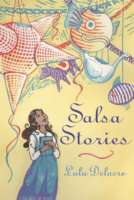
Salsa Stories

Salsa music blares from the stereo. One by one, friends and family, who come from all around Latin America, arrive at Carmen Teresa’s house to cook, dance, gossip, and play dominoes. And the New Year’s Day celebration begins… When a neighbor gives Carmen Teresa a blank notebook as a holiday present, she doesn’t know how she will fill it. The guests all have ideas of what she should do with her book. They decide she should fill it with stories about their childhoods. And everyone has a story to tell. But Carmen Teresa, who loves to cook, surprises everyone with how she will use her beautiful new present. With energy, sensitivity, and warmth, Lulu Delacre introduces readers to a symphony of colorful characters whose stories dance through a year of Latin American holidays and customs. And readers will also be treated to recipes for the irresistible foods that appear in each story. When Lulu Delacre set out to collect family recipes for a cookbook of traditional Latin American foods, she discovered something amazing. “How often the flavors of our childhood,” says Ms. Delacre, “unlock memories from our past.” It was this discovery that inspired her also to collect those memories that her friends and family recalled. And she based Salsa Stories on those recollections.

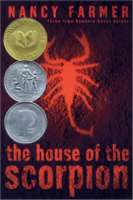
The House of the Scorpion

The House of the Scorpion By Nancy Farmer is about Matthew who is a clone of El Patrón, a powerful drug lord of the land of Opium, which is located between the United States and Mexico. For six years, he has lived in a tiny cottage in the poppy fields with Celia, a kind and deeply religious servant woman who is charged with his care and safety. He knows little about his existence until he is discovered by a group of children playing in the fields and wonders why he isn’t like them. Though Matt has been spared the fate of most clones, who have their intelligence destroyed at birth, the evil inhabitants of El Patrón’s empire consider him a “beast” and an “eejit.” When El Patrón dies at the age of 146, fourteen-year-old Matt escapes Opium with the help of Celia and Tam Lin, his devoted bodyguard who wants to right his own wrongs. After a near misadventure in his escape, Matt makes his way back home and begins to rid the country of its evils.

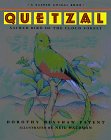
Quetzal: Sacred Bird of the Forest

Dorothy Patent explores the many facets of this shimmering bird, from its illustrious past to its life cycle and daily existence in the wild. Accompanied by Neil Waldman’s luminous illustrations, this unique survey book examines an endangered animal that has a powerful symbolic meaning to a culture.

The Children of the Ecuadorean Highlands (World’s Children)

Two separate chains of the Andes Mountains stretch through Ecuador, and almost half of Ecuador’s people live in the highlands of these mountains. The author/photographer of Riders Up! ( C. 1992) takes readers on a journey through the beautiful Ecuadorean highlands, as seen through the eyes of its children.